Back to Mobile View

Skip to Content

Thunderbolt: Apple and Intel's new interconnect

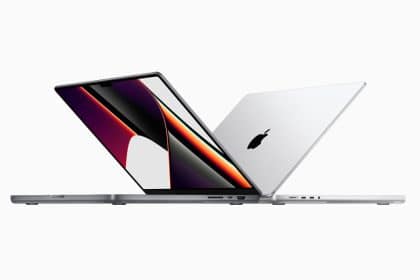
It's been a while getting here -- Intel first demoed Light Peak at IDF in September 2009 -- but the first production laptops featuring the new, rebranded Thunderbolt interface are about to ship, in the form of shiny new MacBook Pros. Thunderbolt's raw speed (10 Gbps) and purported simplicity will enable MBP owners to work with massive storage on the go.

Both Intel and Apple have posted summary feature pages about the new connectivity option, including a list of potential peripheral partners and a tech brief PDF. Intel also has a launch event for the technology later today (10 AM Pacific), which may explain why the Apple Store is still down; they don't want to tease the new peripherals and adapters until Intel has a chance to demo everything.

As rumored last week, the Thunderbolt connector replaces the Mini DisplayPort on the new MacBook Pro models, rather than subbing in for the USB ports as in preproduction versions of the technology. Apple's existing Mini DisplayPort-based displays will work unmodified with the Thunderbolt port.

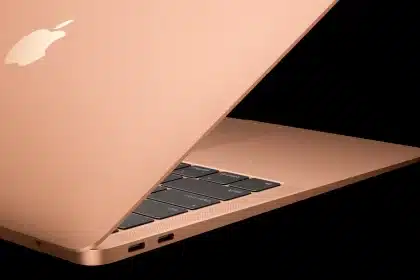
The real excitement, however, comes with new peripherals and adapters. Since Thunderbolt supports the PCI Express protocol, it should allow for dramatic expansion off of a single port; since the bulk of the MacBook Pro line gave up its ExpressPort card slot for an SDXC slot (except the 17" model), the laptop line has been waiting for another high-speed option for video capture and connectivity. Apple's feature rundown notes that Thunderbolt adapters will allow MacBook Pro users to connect to USB, HDMI, FireWire, Gigabit Ethernet or Fibre Channel at will (finally making the MacBook Pro a legitimate Xsan client). Imagine the next generation of MacBook Air sporting a Thunderbolt port, and getting back all the connectivity options traded off for size and weight savings.

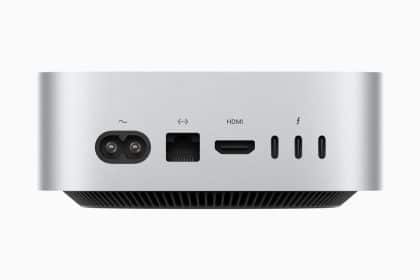
It's a safe bet that Thunderbolt will quickly replace Mini DisplayPort across the Mac desktop lines as well with the next iMac, Mac mini and Mac Pro revisions. Could it even work its way into iOS devices sometime soon? Your iPad would sync in seconds, or serve as an external high-performance display... so tempting.

We'll check in on Intel's launch event later today for more details on Thunderbolt and new products supporting it. Update: CNET's liveblog of the Intel press event revealed that the optical/hybrid cables for Thunderbolt will be available later this year and will support much longer cable lengths (as distinguished from the copper-only cables that will ship now, maxing out at 3 meters). The company also said there are no plans for a PCIe adapter card for Thunderbolt; the only way to get it will be with a new computer/motherboard.


Categories

Accessories Mac

It's been a while getting here -- Intel first demoed Light Peak at IDF in September 2009 -- but the first production laptops featuring...
 

Add a Comment

*0 / 3000 Character Maximum Comment Moderation Enabled. Your comment will appear after it is cleared by an editor.

29 Comments

Filter by:
bradavison

Wow, been looking forward to this for ages!


http://web.me.com/bradavison/Mac_Wallpaper/Wallpaper.html

February 25 2011 at 8:28 PM Report abuse rate up rate down Reply
Andrei

It is an Intel technology; Intel controls every aspect of it, Apple is just the 1st to implement it for marketing reasons.

February 25 2011 at 12:52 PM Report abuse rate up rate down Reply
John Mc

Will this really replace USB? With no power available (the future of TB is fiber only) how would you charge your devices, or power things like a USB stick (TB stick?) or SD card readers? Plus, with a limit of 6 devices per bus, you can just tree-plug everything you own into the one super-fast jack...

I can see hard drives and video loving this, but USB being around for a LONG time for keyboards, mice, sticks and such...

February 24 2011 at 2:59 PM Report abuse rate up rate down Reply
4 replies to John Mc's comment
Cougar

No plans for a PCIe card? Really?? WTF intel.

February 24 2011 at 2:13 PM Report abuse rate up rate down Reply
Michael Schmitt

I'm not sure of the size of the port, but it looks to me that it would add bulk to iOS devices.

Anyone know if the port is bigger/wider than exisiting iOS devices?

February 24 2011 at 1:25 PM Report abuse rate up rate down Reply
JJ

Thunderbolt! Thunderbolt!

http://www.youtube.com/watch?v=j_ekugPKqFw

February 24 2011 at 1:16 PM Report abuse rate up rate down Reply
john Faitakes

what I want to know, will I be able to add it to my existing mac pro?

February 24 2011 at 1:03 PM Report abuse rate up rate down Reply
2 replies to john Faitakes's comment
Michael Rose

According to the Intel press conference today, no. There are no current plans for a PCIe card supporting Thunderbolt -- but that could change.

February 24 2011 at 2:03 PM Report abuse rate up rate down Reply
dennis636223

"The company also said there are no plans for a PCIe adapter card for Thunderbolt; the only way to get it will be with a new computer/motherboard"

This statement has to be false. It doesn't make any sense. If Thunderbolt supports PCIe, then why would you need a new motherboard or a new computer. Simply pop in a new graphics card or add on card that supports the standard. Maybe Intel doesn't plan to release an add on card of their own, but who's to stop another company from doing so? I read the Cnet presentation and Dong Ngo is a liar and an idiot. Go to Wikipedia and look up Light Peak. Intel designed a prototype PCI Express card for desktop PCs, enabling many people to use the new technology without a motherboard upgrade. The card has two optical buses that power four ports. On some machines, such a card would not be able to achieve the full 40Gbit/s bandwidth of four Light Peak ports, as that bit rate would require a 16× PCIe slot (1× PCIe is 4Gbit/s) for optimal performance, and some motherboards only have one 16× slot (mine has two, sorry for bragging), usually occupied by a video card. On the protocol side, Thunderbolt essentially extends the existing PCI Express bus protocols into a new serial data form that allows it to be extended over cabling to attach computers and peripherals. From a configuration standpoint, a thunderbolt cable contains a pair of optical fibers that are used for upstream and downstream traffic. This means that Thunderbolt offers a maximum of 10 Gbit/s in each direction at the same time. The prototype system, code named "Light Peak" at the time, featured two motherboard controllers that both supported two bidirectional buses at the same time, wired to four external connectors. Each pair of optical cables from the controllers is led to a connector, where power is added through separate wiring. The physical connector used on the prototype system is similar to the existing USB or FireWire connectors. One key piece of the device chain that has not been shown is a controller for the device-end of the bus. In the USB case, a single controller can contain the power circuitry, USB device logic, along with off-the-shelf, custom or programmable logic for running devices. A simple USB device can be built by adding a connector, one driver chip, and the hardware the system is meant to drive; a mouse is a good example of a system that is typically implemented using a single off-the-shelf chip. This is the same technology that's trying to compete with USB, Firewire, eSata, and Ethernet in hopes to replace them and their going to limit it's accessibility to consumers on both the Mac and PC end? That's the stupidest thing I've ever heard. USB 3.0 is available without needing a new board and it only provides half the speed of Thunderbolt. All that's needed is the controller on both ends to on 1 graphics card with two to four mini display ports, which, I'm sure, ATI/AMD isn't shy at being the first to implement it in their 2011 workstation cards. FirePro V9900 anyone?

February 24 2011 at 11:00 PM Report abuse rate up rate down Reply
Joshua Ochs

"Your iPad would sync in seconds"

Except that the bottleneck will now be the flash in the iPad and speed of iTunes, not the connection.

February 24 2011 at 12:47 PM Report abuse rate up rate down Reply
univac

Great. Another $29 proprietary Apple adapter to buy.

February 24 2011 at 11:29 AM Report abuse rate up rate down Reply
2 replies to univac's comment
jigme

buy me one of these mbp's and i'll buy us both an adapter.

February 24 2011 at 12:25 PM Report abuse rate up rate down Reply
Joshua Ochs

Yes, you're a troll. I'll still bite. Apple hasn't removed any of the existing ports (yet). Assuming the technology takes off - still a big "if" - then you'll be able to get adapters from anyone you please, including Apple.

If this does take off though, we'll have future super-thin laptops that only need a tiny port or two to handle all of today's connectivity, and with better performance and simpler cabling to boot.

February 24 2011 at 12:49 PM Report abuse rate up rate down Reply
tomyork music

Anyone on agree with me in thinking Thunderbolt is a bit of a 'lame' name? I mean LightPeak sounds so much better.

I just think it sounds a bit like a Superheros pet...

February 24 2011 at 11:27 AM Report abuse rate up rate down Reply
3 replies to tomyork music's comment
Buy an ad here

Tweets

© 2012 AOL Inc. All Rights Reserved.