The global smartphone market is heading into a challenging year. According to a new industry report, higher memory costs are expected to slow smartphone shipments in 2026. Research firm Counterpoint has lowered its forecast, now predicting global shipments will fall by about 2% year over year as DRAM and NAND flash prices surge.
These rising costs affect nearly every smartphone maker. Memory prices have climbed due to tight supply and growing demand from AI servers and personal computers. As a result, smartphones are becoming more expensive to produce, especially at the low and midrange levels.
Budget Phones Feel the Biggest Squeeze
Lower-priced smartphones face the strongest pressure. Counterpoint estimates that phones priced under $200 have already seen cost increases of 20% to 30% since early 2025. Meanwhile, midrange devices face increases in the mid-teens, while premium phones see smaller but still notable jumps.
Because budget devices depend on thin margins, many Android manufacturers may struggle to stay profitable. To cope, companies could raise prices, cut features, or reduce the number of models they sell. In some cases, brands may even reuse older components to limit expenses.
Apple Holds a Strategic Advantage
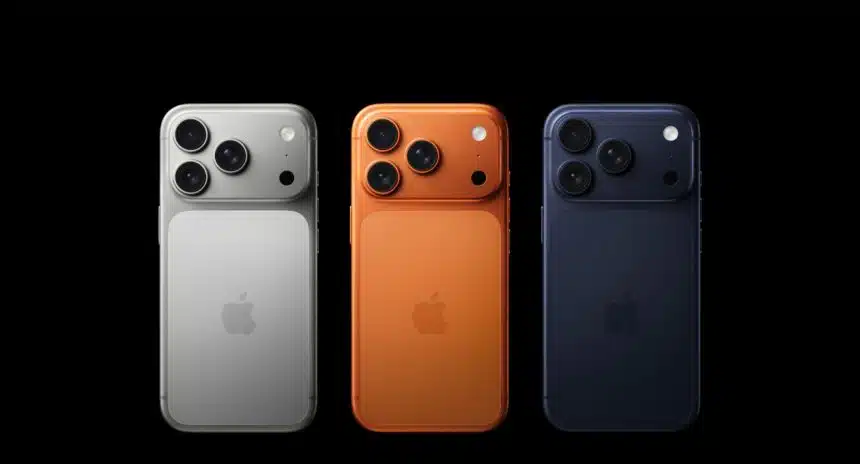
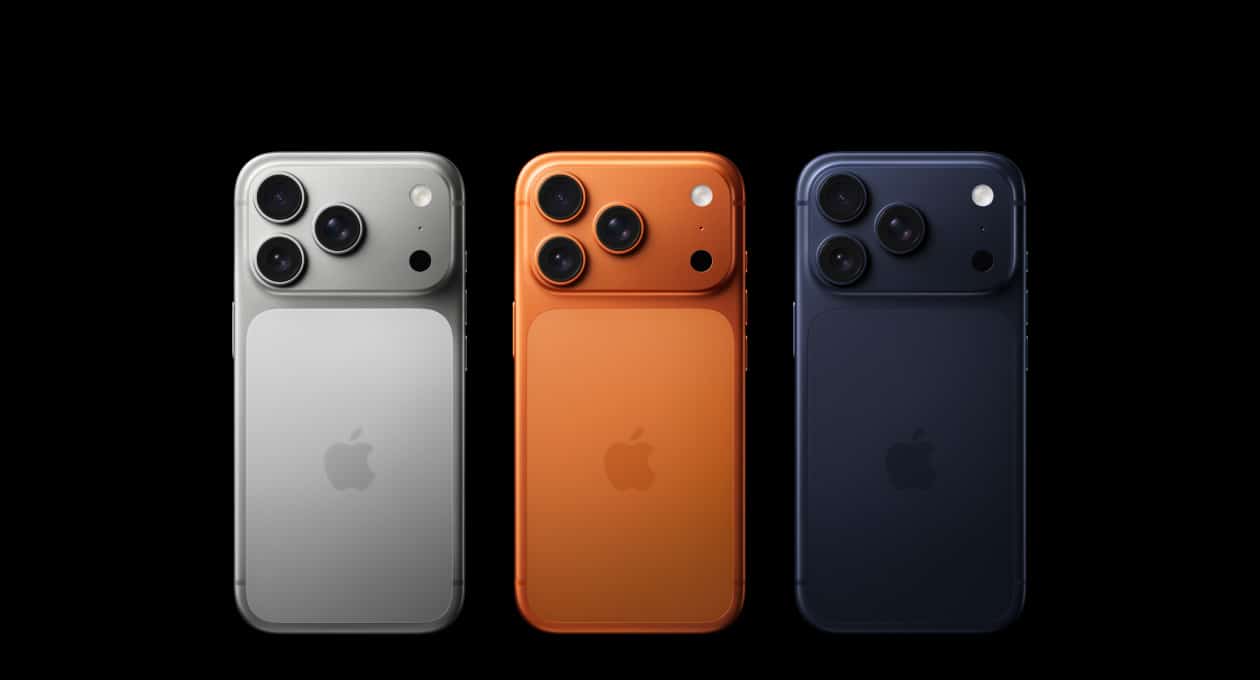
While the market tightens, Apple appears better prepared than most competitors. Thanks to its scale and long-term supply contracts, Apple can manage volatile memory pricing more effectively. The company also benefits from higher average selling prices, which give it more room to absorb rising component costs without immediate consumer backlash.
Samsung shares some of these advantages. However, Chinese brands such as Oppo, Vivo, and Honor rely heavily on price-sensitive segments. As costs rise, these companies may face deeper forecast downgrades for 2026.
A Shifting Competitive Landscape
Although iPhone shipments may dip slightly, analysts do not expect a major collapse in demand. Instead, higher prices could offset lower volumes, keeping Apple’s overall revenue steady or even higher. Counterpoint has raised its 2026 average selling price forecast to nearly 7%, more than double earlier estimates.
Looking ahead, rising memory prices could reshape the market. As affordable phones become harder to justify, the midrange segment may thin out. Consequently, premium devices may look more attractive to buyers, especially with financing plans and carrier subsidies easing upfront costs.