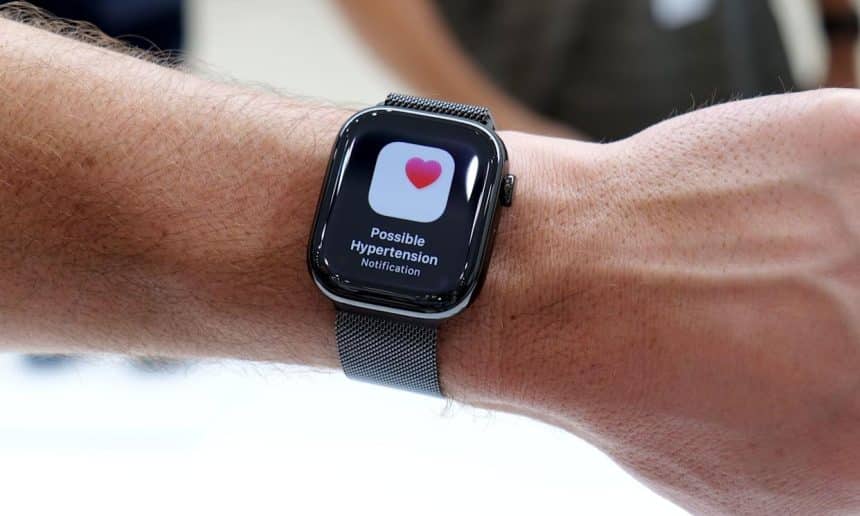
Australians are one step closer to using hypertension alerts on the Apple Watch after national regulators approved the feature. The country’s medical authority has now allowed Apple to enable blood pressure–related notifications locally, although Apple has not confirmed a launch date yet.
The approval places Australia among more than 150 countries that support the feature, which Apple first introduced in September 2025.
How the Hypertension Feature Works
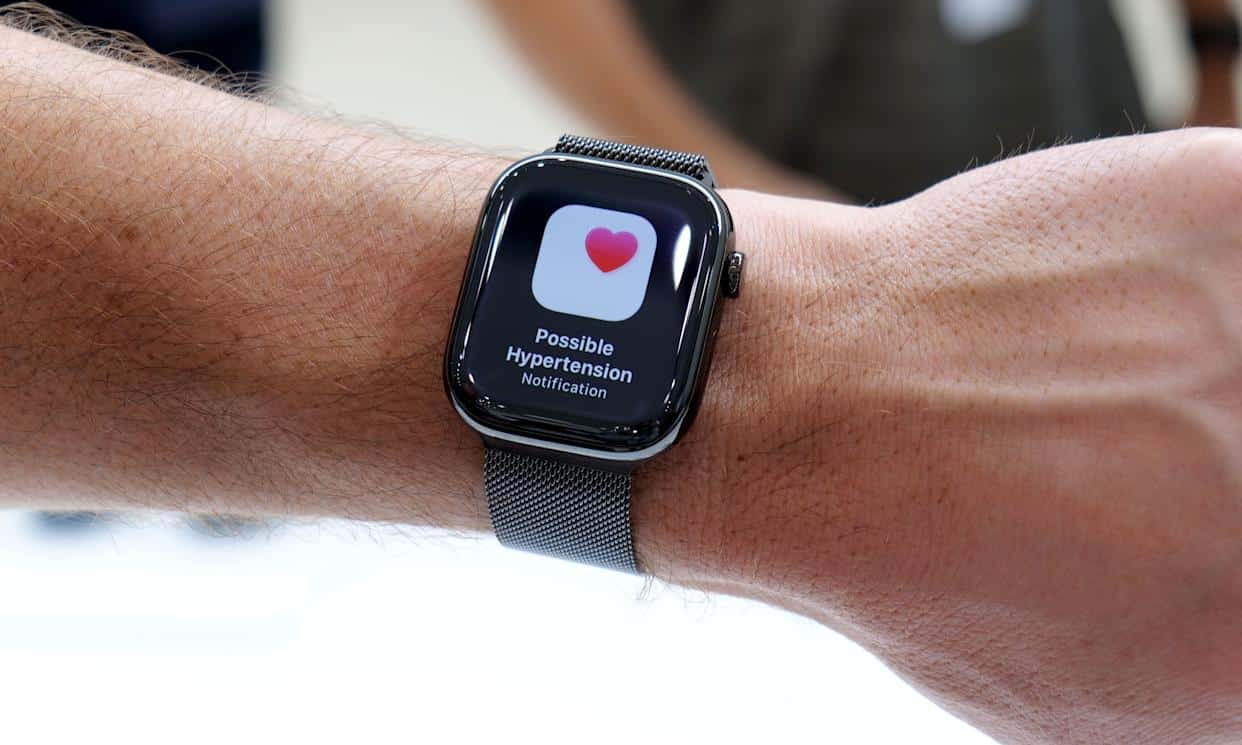
The Apple Watch does not directly measure blood pressure. Instead, it analyzes long-term heart data to detect patterns linked to possible hypertension. When the system flags a risk, it encourages users to seek medical advice.
Importantly, users must first activate the feature on a paired iPhone. Once enabled, the watch monitors trends over time rather than providing instant readings. As a result, Apple positions the feature as an early warning tool, not a diagnosis.
Medical Experts Welcome the Move
Australia’s Therapeutic Goods Administration has listed the Apple Watch as a medical device on the Australian Register of Therapeutic Goods. This step allows Apple to legally activate the feature nationwide.
Professor Garry Jennings, chief medical officer at the Heart Foundation, welcomed the approval. He said the feature could raise awareness and prompt earlier action. However, he stressed it does not replace professional care. Instead, it helps people stay alert to potential risks such as heart attacks or strokes.
When Will Australians Get Access?
Although approval is complete, Apple has not flipped the switch yet. The company often enables health features through software updates, which suggests the rollout may arrive with a future watchOS release.
Apple last updated watchOS in mid-December 2025. Given past rollouts in other countries, experts expect Australia to follow soon. Still, Apple’s local website and support pages do not list Australia as supported at this time.
What This Means for Users
Once available, the feature could help millions of Australians monitor long-term heart health more closely. While it will not replace blood pressure cuffs or doctor visits, it may encourage earlier conversations with healthcare providers.
For now, Australians will need to wait. Even so, regulatory approval marks a major milestone in expanding wearable health tools across the country.