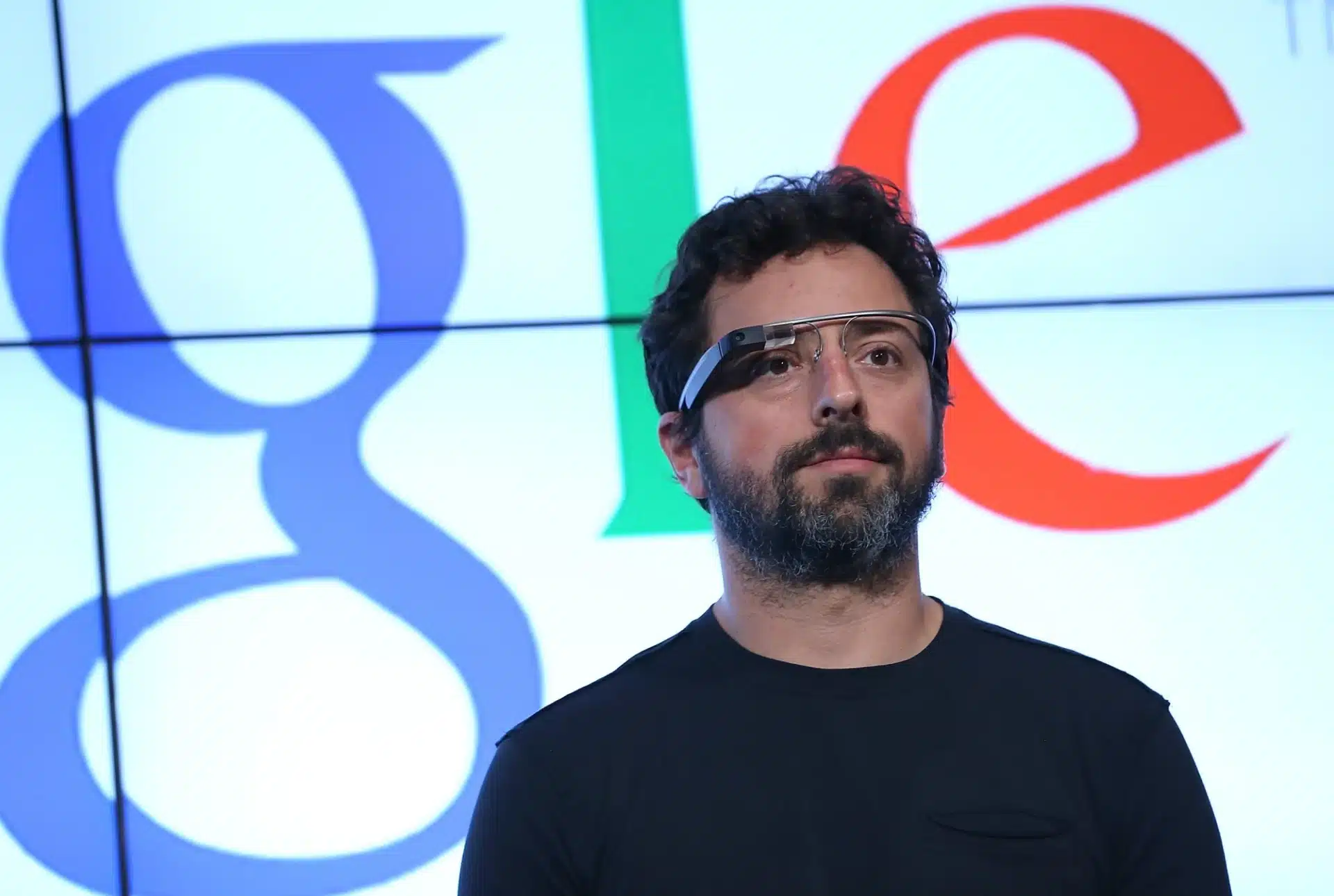
Google Glass once promised to change how people interact with technology. Launched in 2012, the smart glasses aimed to blend the digital world with daily life. However, the product quickly struggled to gain public support. Years later, Google co-founder Sergey Brin has offered a candid explanation for why the ambitious device failed.
Speaking at a university event, Brin admitted that confidence and excitement pushed the project forward before it was truly ready. At the time, he believed strongly in the idea and felt certain it could redefine consumer tech. That mindset, he now says, led to rushed decisions.
Design, Price, and Public Backlash
Several factors worked against Google Glass from the start. First, its design felt awkward and unfinished to many users. The visible camera raised privacy fears, especially in public spaces. As a result, the device quickly became controversial.
Meanwhile, the price made things worse. At about $1,500, Google Glass cost far more than most consumers were willing to pay. Because of this, many people viewed it as an experiment rather than a practical product. Brin later acknowledged that the technology needed more refinement before reaching the market.
Lessons for Future Innovators
Looking back, Brin stressed the importance of patience. He advised future entrepreneurs to fully develop their ideas before dramatic launches or flashy demonstrations. In his words, innovation needs time to mature, especially when it introduces new social behaviors.
Moreover, he recognized that polishing a product and lowering costs are just as critical as the original idea. Without those steps, even groundbreaking concepts can fail.
Smart Glasses Make a Comeback
Today, smart glasses are slowly returning, with newer models focusing on style, comfort, and clear use cases. Brin’s reflections highlight how early failures can shape future success. While Google Glass did not survive, its lessons continue to influence how companies approach wearable technology.
Ultimately, Brin’s honesty shows that even tech leaders learn through mistakes. And for the industry, Google Glass remains a powerful reminder that timing matters just as much as vision.