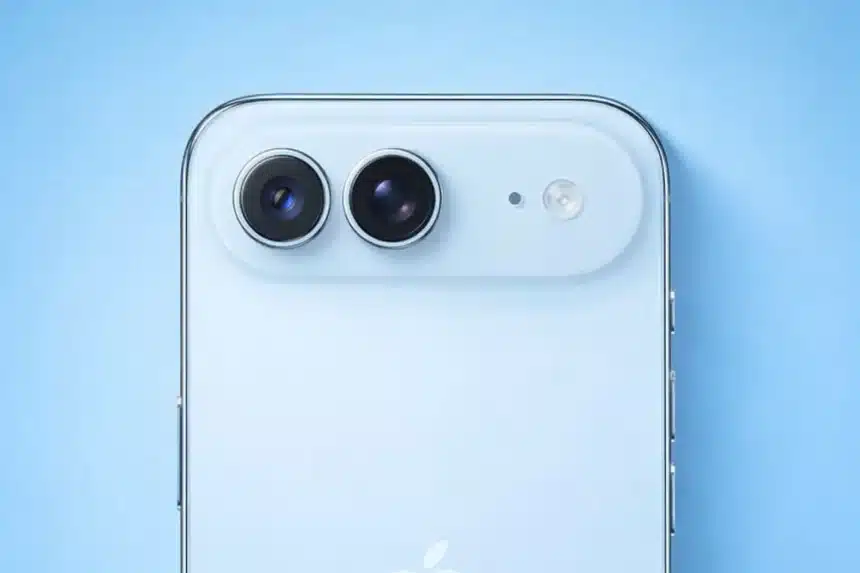
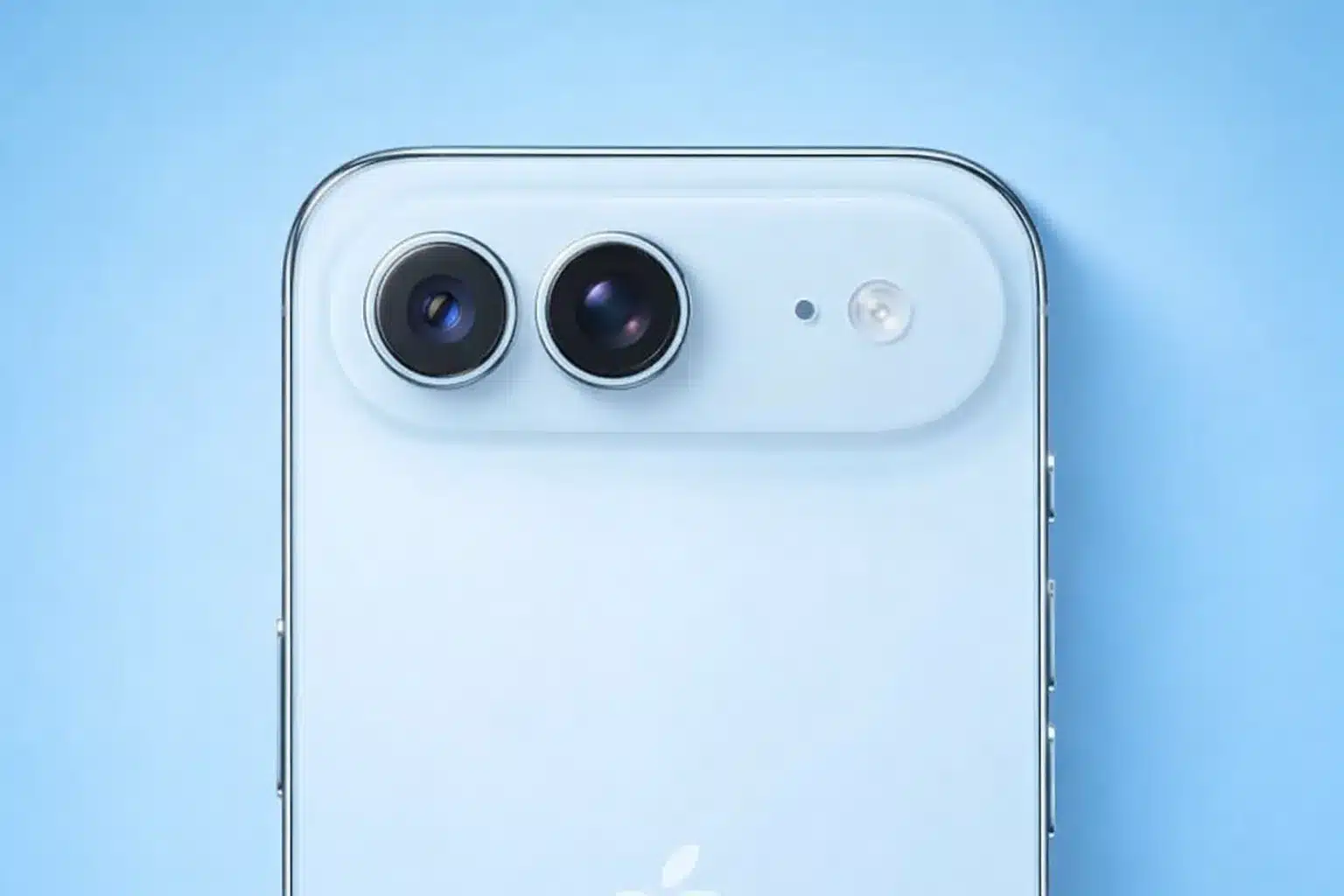
Apple is exploring new display technology that could make the iPhone Air 2 thinner and brighter than its predecessor. According to a recent industry report, the company may adapt display advances developed for its upcoming foldable iPhone to future Air models
The first iPhone Air, expected in 2025, already signals Apple’s focus on slim design. Now, analysts believe Apple plans to push that strategy further with the iPhone Air 2, which could arrive in 2027.
Foldable Technology Drives New Screen Designs
At the center of this shift is Color Filter on Encapsulation (CoE) technology. This approach removes the traditional polarizing layer from displays. As a result, screens allow more light to pass through.
Because of that change, CoE displays can appear brighter while using the same power. At the same time, they remain thinner than current OLED panels. These advantages matter most for devices where space and battery life are critical.
Originally, Apple explored CoE for its foldable iPhone. However, the report suggests Apple may also bring this technology to standard phones, starting with the iPhone Air 2.
Why iPhone Air Models Stand to Benefit
The iPhone Air line focuses on lightweight construction and minimal thickness. Therefore, a thinner display fits Apple’s design goals. In addition, better brightness efficiency could improve outdoor visibility without hurting battery performance.
Industry observers note that Apple rarely releases Air models every year. That timeline aligns with reports pointing to a 2027 launch window for the iPhone Air 2.
If Apple staggers product releases, the foldable iPhone could debut first in 2026. Then, the iPhone Air 2 may follow with similar display upgrades.
Suppliers Prepare for Possible Expansion
Samsung Display already has the ability to produce CoE panels. Reports suggest the company may expand production if Apple confirms plans for the iPhone Air 2. Meanwhile, LG Display is evaluating investments in CoE manufacturing but has not started production yet.
Still, supply capacity and cost remain key challenges. Apple will likely move forward only if large-scale production meets its quality and pricing standards.
What This Means for Apple’s Display Future
If adopted widely, CoE technology could shape Apple’s next generation of iPhones. Over time, it may become standard across premium models.
For now, the iPhone Air 2 stands as a strong candidate to showcase Apple’s next display leap.