Apple has confirmed that its Santa Rosa Plaza retail store will move to a new, significantly larger location in nearby Montgomery Village. The new store is set to open on January 23, 2026, marking the second relocation in the store’s 22-year history. The move reflects Apple’s ongoing strategy to expand and modernize its physical retail presence across key markets.
The current store first opened in October 2004 as a modest 1,500-square-foot space. While it expanded once before during the iPhone 5 launch era, Apple now plans a far larger upgrade.
A Bigger Store in a New Retail Hub
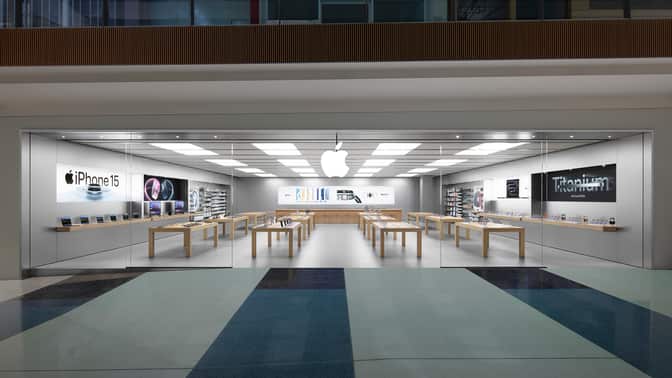
The new Apple Store will be located about two miles from Santa Rosa Plaza in the Montgomery Village retail area. According to reports, the new space spans 8,684 square feet, offering far more room for product displays, customer support, and in-store experiences.
The store will sit between a Vuori clothing outlet and a Me Spa, placing Apple in a growing lifestyle-focused shopping district. Apple has described the new site as “significantly larger,” though it has not yet confirmed whether the store will keep the “Santa Rosa Plaza” name after the move.
Part of Apple’s Global Retail Strategy
This relocation fits into Apple’s broader four-year plan to open new stores or renovate existing ones worldwide. Similar moves have already taken place in the United States, the United Kingdom, and Japan. Apple continues to prioritize spacious layouts that support hands-on product demos and community-focused services.
However, unlike some recent store openings, Apple has not announced special launch events, exclusive wallpapers, or Today at Apple sessions for the Santa Rosa move. Still, the company’s website clearly lists the new location and even links directly to Apple Maps for directions.
What This Means for Santa Rosa Plaza
While Santa Rosa Plaza will lose one of its anchor tenants, mall management says new brands are on the way. Restaurants and entertainment venues are expected to fill the gap, signaling a new chapter for the shopping center.
Overall, Apple’s move highlights how the company continues to rethink where and how customers experience its products—favoring larger, more flexible spaces designed for the future of retail.