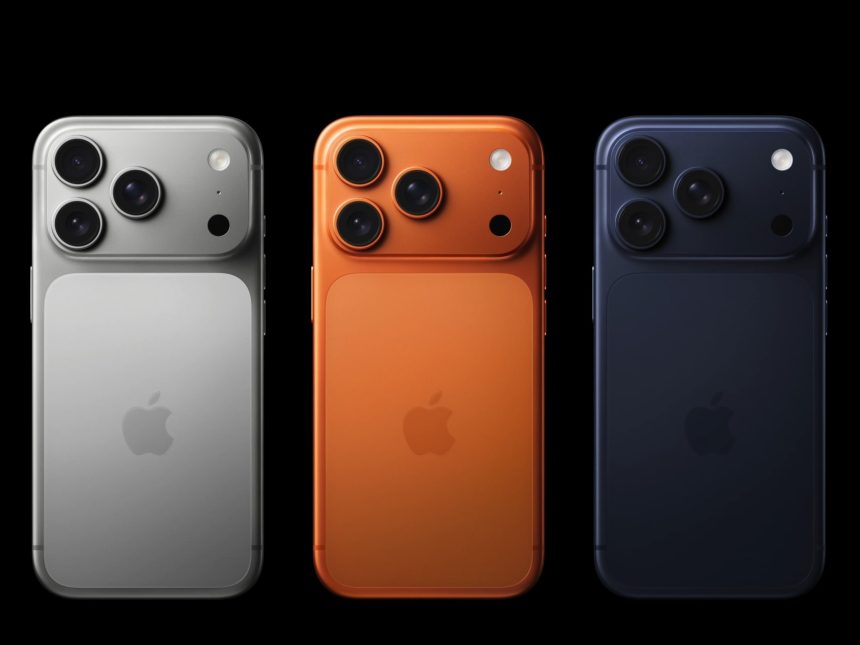
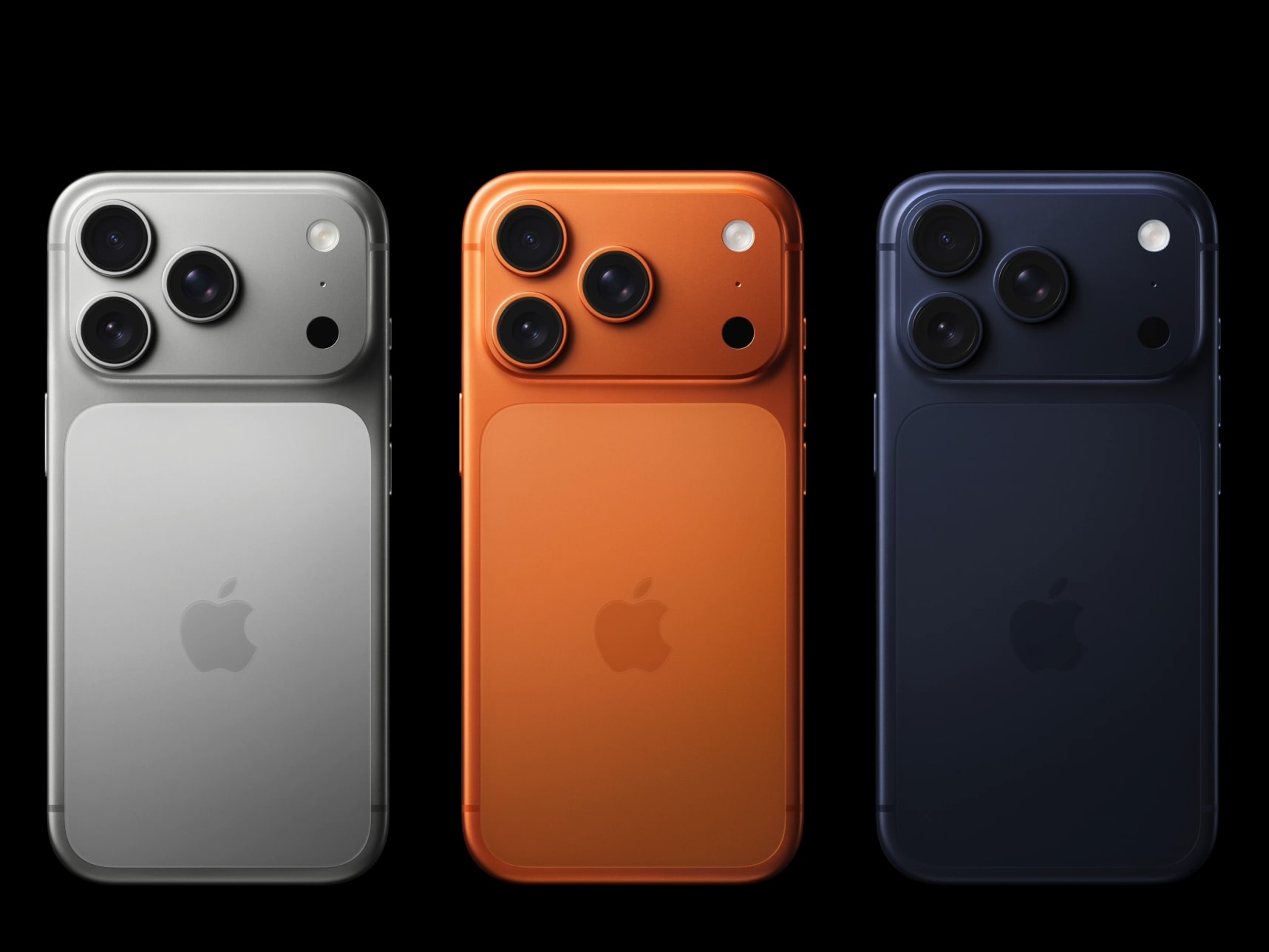
Apple’s famously efficient supply chain is facing new pressure as artificial intelligence demand surges across the tech industry. A key component used in iPhones and other devices has become harder to secure, despite Apple’s long history of supply resilience.
The issue centers on high-quality glass cloth, a crucial material used in printed circuit boards. As AI hardware production grows, demand for this material has spiked. Consequently, even Apple now faces limits it cannot easily bypass.
A Single Supplier Creates a Critical Bottleneck
At the heart of the problem is a single supplier, Nitto Boseki, which produces glass cloth that meets strict performance standards. According to industry sources, this supplier cannot keep up with rising global demand. Although capacity expansion plans exist, they will not take effect until late 2027.
As a result, electronics makers face what insiders describe as one of the biggest manufacturing bottlenecks of 2026. While alternative suppliers exist, their materials often fail to match the same quality. Lower-grade options may help slightly, but they cannot fully replace current supply.
AI Giants Compete for Limited Components
In the past, Apple’s scale gave it priority access to advanced components. However, the rapid rise of AI has changed that balance. Companies like Nvidia and Google now compete aggressively for the same materials.
Meanwhile, Apple continues to expand its own silicon development under CEO Tim Cook. Yet increased competition means Apple no longer dominates the supply line as it once did.
What This Means for Consumers
The supply strain does not stop with Apple. Chipmakers such as Qualcomm also feel the pressure. If shortages persist, consumers may see fewer iPhones, Macs, and iPads available through 2026.
That said, the industry is not standing still. Manufacturers are exploring new techniques, specialized suppliers, and alternative materials. Over time, these efforts may ease the bottleneck.
For now, if iPhones become harder to find, the reason may trace back to an unlikely source: glass cloth caught in the global race to power AI.