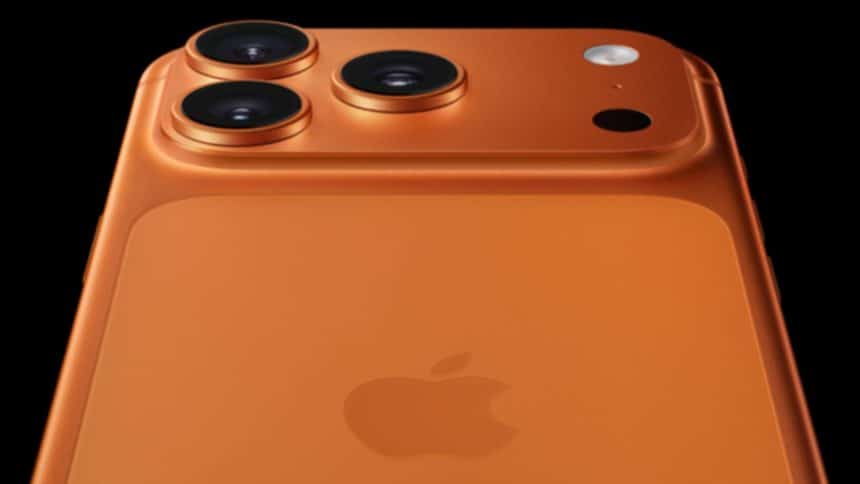
Apple is seeing solid momentum for the iPhone 17 lineup in China, yet not every model shares the same success. According to new supply chain data, demand growth is being driven mainly by premium devices rather than Apple’s ultra-thin newcomer, the iPhone Air.
While overall Apple shipments in China rose sharply in late 2025, the iPhone Air accounted for only a small portion of those units. Analysts estimate it represented a single-digit percentage of total iPhone shipments during the fourth quarter. As a result, its impact on boosting overall demand remains limited.
Pro Models Lead Apple’s China Momentum
Research cited in the report shows China’s smartphone market declined slightly year over year. However, Apple shipments grew by 28 percent, reaching a 22 percent market share. That growth came primarily from the iPhone 17 Pro and Pro Max models, which continue to attract high-end buyers.
Industry analysts say timing also hurt the iPhone Air. Apple launched the device later than other models, which slowed early adoption. In addition, design trade-offs made to achieve its ultra-thin profile may have limited its appeal to mainstream buyers.
Still, some analysts argue the device serves a broader purpose. The iPhone Air allows Apple to test consumer interest in thinner hardware and eSIM-focused designs, which may shape future product strategies.
Supply Chain Data Tells Only Part of the Story
Despite muted shipment numbers, the report cautions against drawing firm conclusions. Apple does not publish unit sales by model, and supply chain estimates capture only part of demand behavior. Notably, Apple delayed the iPhone Air’s China launch, and the device reportedly sold out within minutes once available, suggesting strong niche interest.
Analysts also point out that Apple’s “third model” strategy—seen previously with mini and Plus variants—often creates smaller but loyal customer segments. Over time, these models still generate shipment volumes many competitors would welcome.
What This Means for Apple Going Forward
The report suggests the iPhone Air was never meant to rival Apple’s flagship sellers. Instead, it appears designed to explore new form factors while maintaining premium pricing. Whether the Air becomes a long-term staple or a transitional design remains uncertain. However, Apple’s core iPhone strategy in China continues to rest firmly on its Pro lineup, not its thinnest device.