A US federal judge has handed Apple Inc. a significant legal victory by dismissing several claims in a lawsuit accusing the company of illegal data tracking. The case centered on whether Apple collected user data from its own apps after users believed they had opted out.
On January 21, 2026, Edward J. Davila, a judge in the Northern District of California, granted Apple’s motion to dismiss key parts of the class action. The ruling removed claims tied to California privacy law, unfair competition, and alleged contract breaches.
What the Lawsuit Alleged
The lawsuit claimed Apple misled iPhone and iPad users who disabled the “Share Device Analytics” setting. According to plaintiffs, Apple’s in-house apps, including the App Store and Apple Music, continued collecting data despite that choice.
Because of this, users argued Apple violated state privacy protections and consumer trust. However, the judge found that the complaint did not clearly prove those claims. As a result, the court dismissed large portions of the case.
One Last Chance for Plaintiffs
Still, the ruling did not fully end the lawsuit. Judge Davila allowed plaintiffs one final chance to revise and refile the dismissed claims. Even so, he expressed doubt that they could fix the legal flaws identified in his order.
Meanwhile, other parts of the lawsuit remain active. These include claims tied to consumer protection laws in Illinois, New Jersey, and New York, along with allegations of unjust enrichment.
Why the Decision Matters
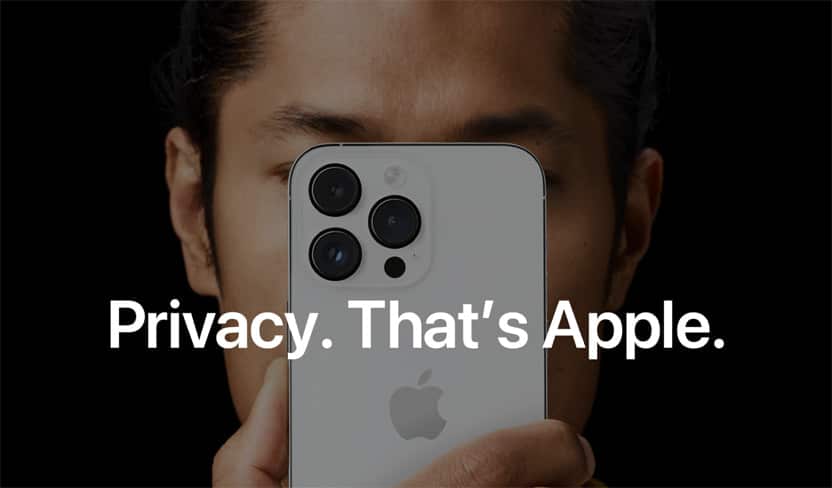
This decision strengthens Apple’s position as it continues to defend its privacy practices. Apple has long promoted itself as a privacy-focused company, especially compared to rivals that rely heavily on advertising data.
At the same time, the case highlights growing legal pressure on tech companies over how they explain data collection to users. As privacy laws evolve, courts will likely face more cases testing how transparent companies must be.
For now, Apple walks away with a partial win. However, the broader debate over digital privacy and user consent is far from over.