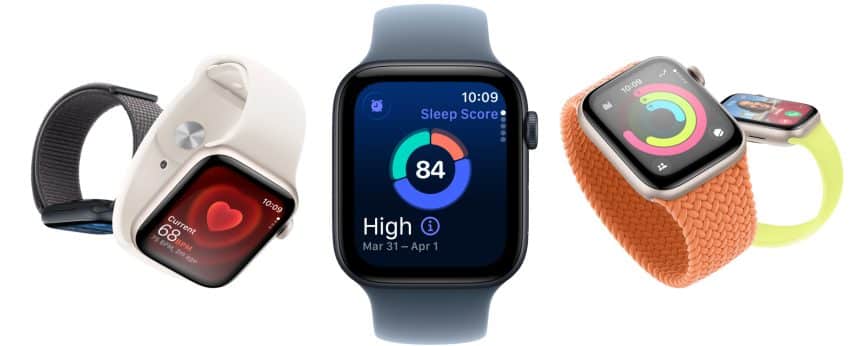
A new clinical study suggests the Apple Watch can play a valuable role in monitoring heart health after treatment for atrial fibrillation (AFib). Researchers found that patients who used the smartwatch after undergoing AFib ablation detected recurring issues earlier and experienced fewer unexpected hospital visits.
The findings add to growing evidence that consumer wearables can support long-term medical care when paired with clinical follow-up.
How the Trial Was Conducted
The study was led by St Bartholomew’s Hospital in London and followed 168 patients who had catheter ablation, a minimally invasive procedure that treats irregular heart rhythms. Researchers split participants into two groups.
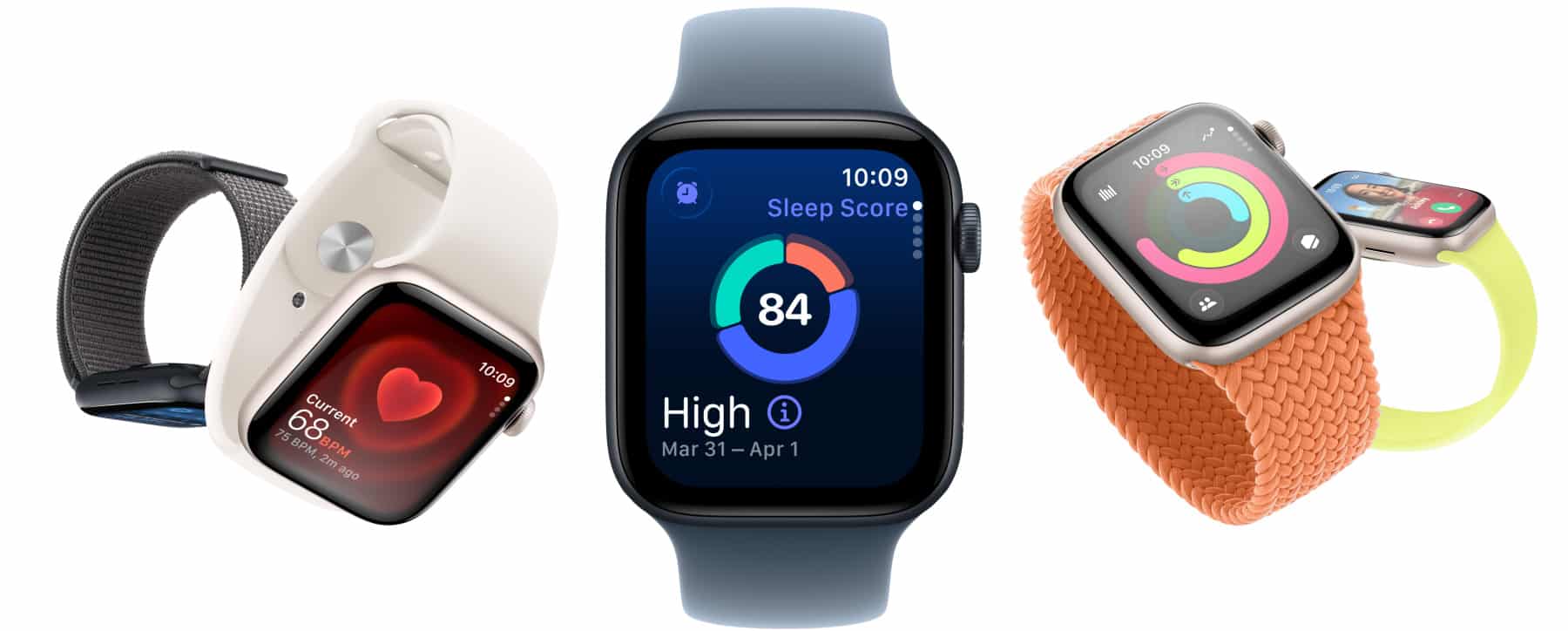
One group received standard care, which included scheduled clinical visits at three, six, and twelve months. Meanwhile, the second group received an Apple Watch Series 5 and instructions to record an ECG daily or whenever the device prompted them to do so.
Earlier Detection and Fewer Hospital Visits
Results showed a clear difference between the two groups. Patients using the Apple Watch detected AFib recurrence sooner, with a median detection time of 116 days. By comparison, the standard-care group detected recurrence after 132 days.
Moreover, AFib recurrence appeared more frequently in the Apple Watch group, affecting 52.9% of participants. In contrast, only 34.9% of patients in the control group identified recurrence. Researchers explained that the watch helped capture short, irregular episodes that often go unnoticed.
More importantly, unplanned hospital visits dropped significantly. Only 22 patients in the Apple Watch group required unexpected hospitalization, compared with 47 in the standard-care group. The researchers credited the device’s ability to quickly distinguish AFib from harmless symptoms.
Why These Findings Matter
According to the study, wearable-based monitoring reduced detection time and improved overall follow-up outcomes. As a result, researchers believe smartwatches could become part of structured care plans after AFib treatment.
Although the Apple Watch does not replace medical professionals, it offers patients a practical way to track their condition daily. Consequently, doctors may gain better data while patients gain peace of mind.
What Comes Next
As wearable health technology continues to evolve, experts expect deeper integration with clinical care. With improved sensors and smarter software, tools like the Apple Watch could support earlier intervention and better long-term heart health outcomes.