When Tim Cook appears on stage for a keynote presentation, millions of viewers immediately dream of buying new devices. The market interest is intense. People want products right away, but manufacturers typically cannot meet such high demand. Cybercriminals exploit such perfect storms which combine urgent situations with exciting opportunities. Scammers work on creating traps while you check the specifications of new M4 MacBook models and iPhone camera technology. People who rush through their actions tend to overlook important details in their process.
The Urgency Trap: Phishing and Fake Pre-orders
Fake pre-order sites are the primary method scammers use to trick their victims. These sites’ appearance matches both Apple Store official pages and major carrier websites. You may see them as sponsored content,offering one-day delivery and limited-time discounts.
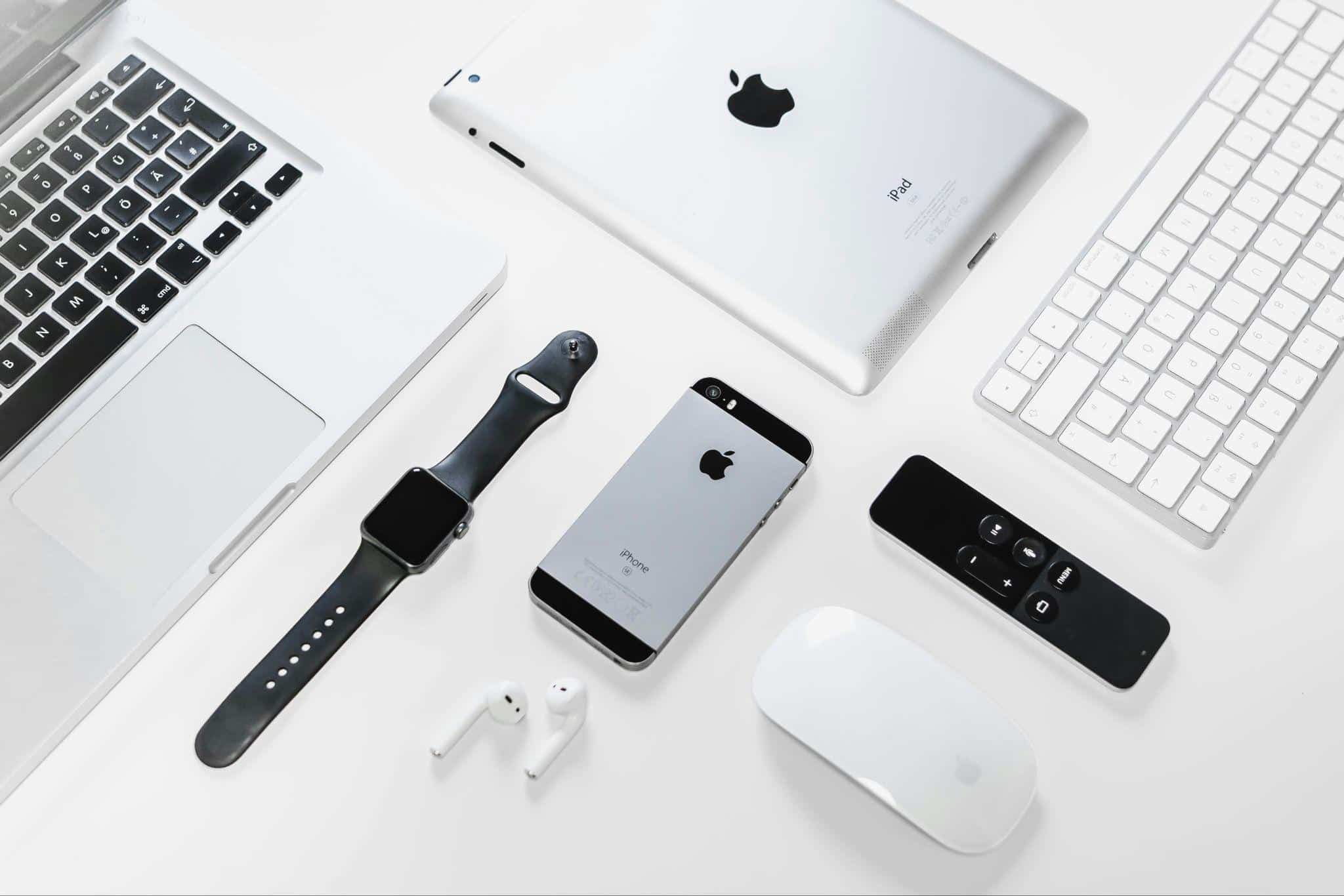
Criminals take advantage of Apple fans who rush to “Order Now” without double-checking the URL. The sites ask users to provide their financial data and Apple ID authentication credentials. Once you “log in” to their fake store, they have your password and your two-factor recovery info. This way criminals gain access to your bank account information and iCloud storage.
The Rise of the Professional Counterfeit
With the price of top-tier hardware climbing every year, many buyers look toward the secondary market for a deal. The counterfeit operation operates successfully in this specific area. Multiple reports from late 2025 show that people need thorough checks to detect counterfeit iPhones. The fakers use advanced shells and combine them with modified Android operating systems. This creates iOS duplicates that function similarly to iOS during the initial few minutes of operation.
Moreover, buying a device from an unverified seller through social marketplaces creates security threats. Malware programs often are integrated into the fake devices. The system may track users’ activities and location. When connected to their home network, they may monitor all the connected devices. Then the counterfeit phone may send data to a criminals’ server and use it to tailor phishing attacks.
Protecting Your Tech Across Every Screen
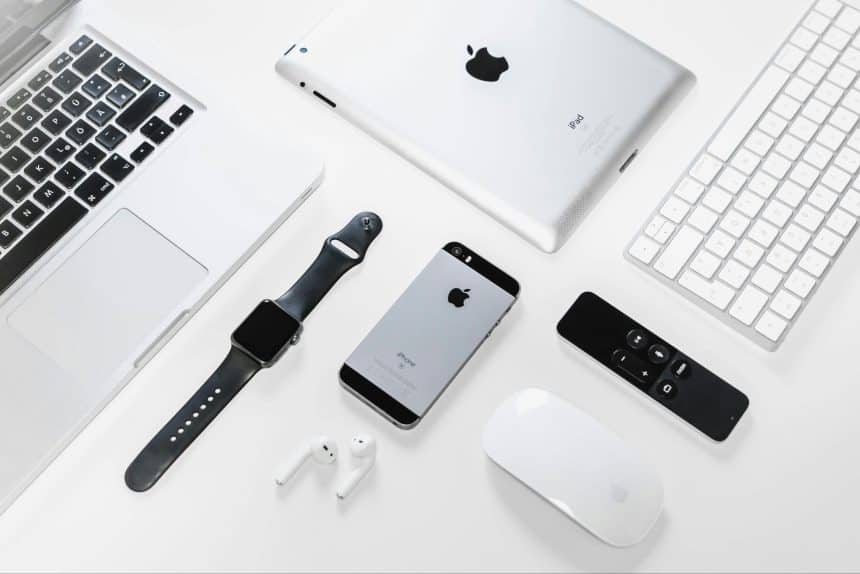
Basic user protection methods prove insufficient when new products come to the market. You need layers of protection that follow you from your Mac to your iPhone. Users should use secure internet connections for their price research and shopping activities. Using the best VPN for Mac allows you to encrypt your traffic and prevents hackers from seeing what you do.
A quality service protects your computer and provides additional benefits. You need only one VPN account to protect your iPhone, iPad, and Mac. The encryption is active while you refresh the “orders” page in a coffee shop. It protects your payment information from data sniffers who attempt to extract it through fake websites.
Social Media Giveaways and “Beta” Access
Scammers deceive users by creating fake giveaway campaigns through social media. You might see a post from some “influencer” claiming they have ten new MacBooks to give away. Users only have to click on a link and give their basic information to enter the competition.
The attackers then may sell your email address, phone number, and home address to other thieves who will use it for future attacks against you.
Scammers also use fake early access to beta software to deceive tech enthusiasts. They seek to get the most recent features before these innovations become available to the general public. Criminals send emails offering to download the upcoming OS release before Microsoft makes it available to the public. These files are almost always Trojans. It appears as ordinary software, which actually installs a rootkit that enables someone to gain complete access to the system.
How to Stay Skeptical and Secure
To stay secure, you need to buy your Apple products only from official authorized sellers approved by Apple. Any offer that appears too good to be true probably is a scam. Apple does not provide discounts for items that have not entered the market yet. You also should leave the site immediately when they claim to have available devices but the official store inventory is zero.
Second, check every email address. Scammers may design the email similar to official ones, but the email address will tell the truth. The email claiming to be from Apple Support but with an address that is a Gmail account shows it’s an attempt to deceive you. You should never click on a “Buy Now” link that comes in text messages. If you get a notification that your order has an issue, check the official website and type the URL manually.
The Role of Multi-Factor Authentication
You need to protect your Apple ID with a strong password and multi-factor authentication (MFA). Even if a scammer obtains your password, they will remain unable to access your account thanks to MFA. Never give an MFA code to anyone, even if they claim to be from Apple. A genuine staff member would never request access to your account at all.
Software updates should be your last step for protection. Apple releases security patches to fix the specific vulnerabilities of Macs and iPhones. If a launch is coming up, make sure your current devices are running the latest version of the OS. The system establishes barriers that criminals cannot access through their criminal activities.
Security tools will enable you to enjoy the new Apple release. The excitement of new devices should not cause you to forget about security threats. Stay updated, stay encrypted, and keep your shopping limited to the sources you know you can trust.