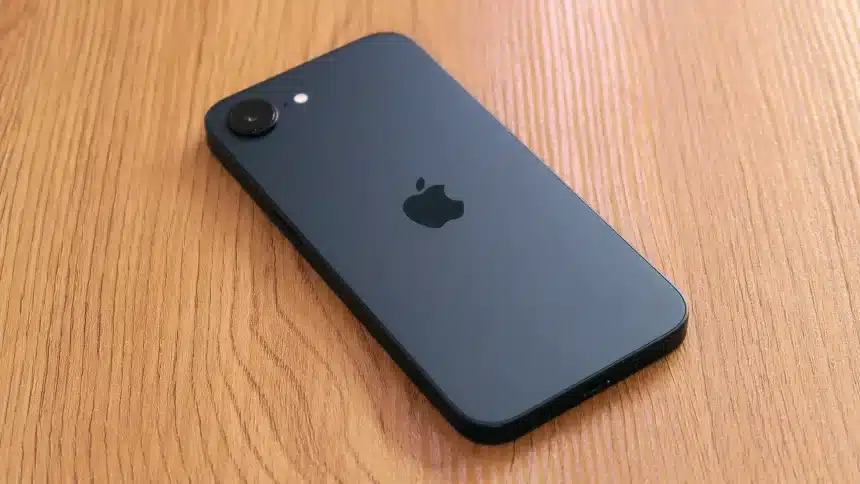
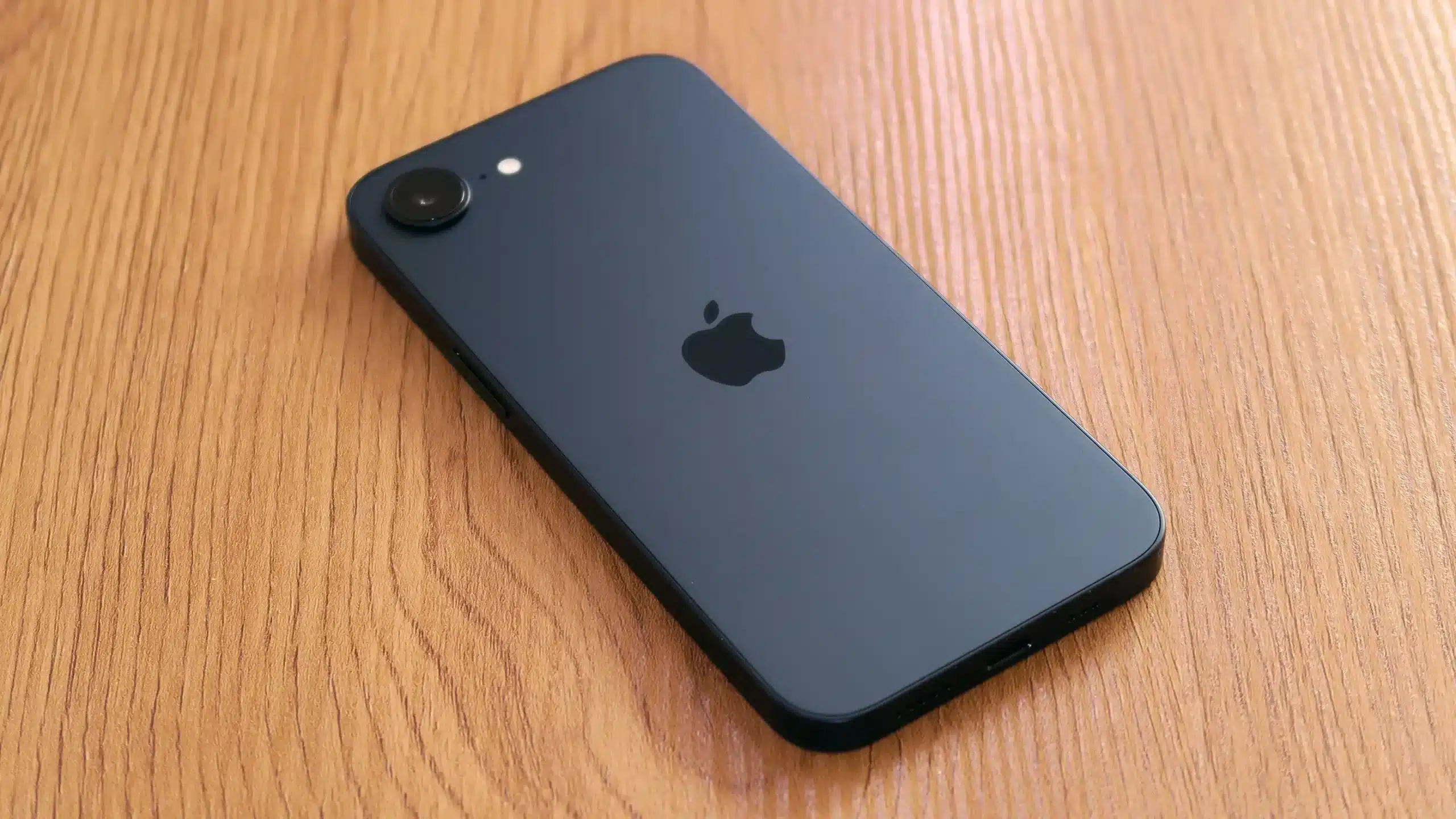
A fresh supply chain report suggests Apple plans to update its entry-level iPhone and iPad with faster chips rather than new looks. According to a recent leak, the upcoming iPhone 17e may keep the same external design as its predecessor while receiving a major internal boost.
Apple has often followed this strategy with its more affordable devices. Instead of redesigning the hardware each year, the company improves performance through new processors. As a result, users get better speed and longevity without dramatic visual changes.
iPhone 17e Focuses on Performance
The report indicates the iPhone 17e could move to Apple’s A19 chip. That shift would place it closer in power to the rest of the iPhone 17 lineup. Additionally, the device may use Apple’s in-house modem and wireless chips, which signals a continued push toward vertical integration.
However, other features may stay the same. The display and camera system reportedly will not change, and the device may still skip Dynamic Island. While some fans expected a visual refresh, Apple appears focused on efficiency and cost control.
Entry-Level iPad Gets a Silicon Boost
The base iPad may follow a similar path. The leak suggests Apple will keep the current enclosure but upgrade the processor to a newer A18 chip. The company may also increase memory to 8GB, which would help the tablet handle modern apps and software updates more smoothly.
Because Apple designs its software around hardware capability, stronger chips extend a device’s usable life. Therefore, these internal upgrades could matter more than cosmetic changes for everyday users.
Why Apple Prefers This Approach
Apple often uses incremental upgrades to protect pricing and maintain production stability. By reusing proven designs, the company reduces manufacturing risk. At the same time, faster chips ensure compatibility with future versions of iOS and iPadOS.
For entry-level buyers, performance and reliability matter most. While flashy redesigns grab headlines, steady internal improvements quietly shape the long-term user experience. Consequently, Apple’s strategy shows a focus on sustainable evolution rather than yearly reinvention.