Working across multiple languages might sound simple: record, transcribe, translate. But Japanese can turn that “straightforward” plan into a real headache. Japanese has three writing systems, shifts in formality depending on context, and regional accents that affect pronunciation. One small misheard word or the wrong kanji? Suddenly, the sentence can say something entirely different. It happens faster than you think.
Manual transcription is exhausting. Even short recordings can take hours. Teams often listen, type, and double-check every sentence. Errors creep in anyway. Deadlines get pushed. Frustration builds. And if you’re sharing content internationally, even minor mistakes can snowball into bigger misunderstandings.
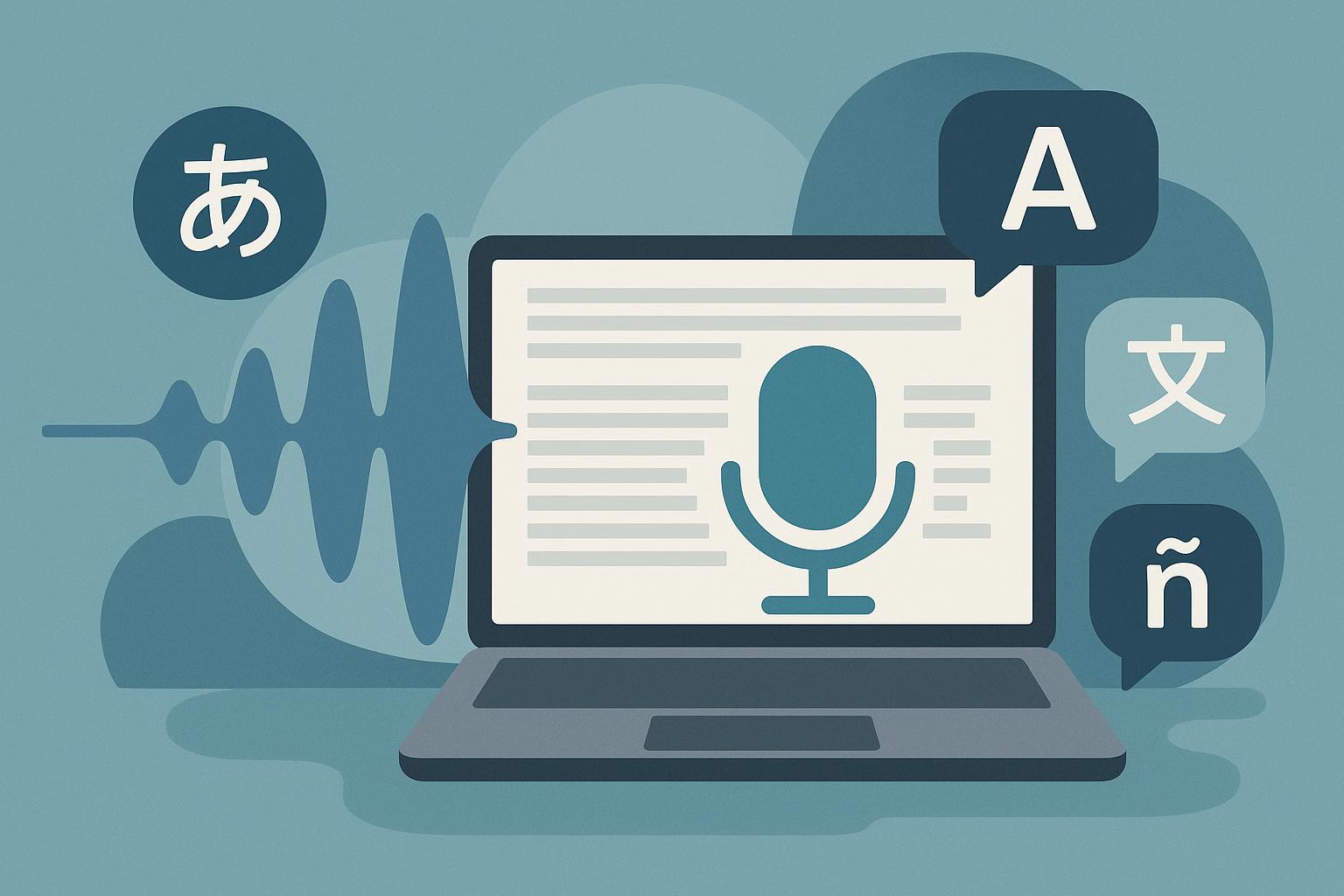
AI tools designed specifically for Japanese are changing the workflow. They follow natural speech, interpret pauses and filler words, and capture context. Speakers don’t have to slow down. Teams get usable text quickly, leaving humans free to focus on refining tone, adding nuance, and preparing content for translation. It’s not magic—it’s simply practical.
Why Japanese Transcription Is Different
English transcription is mostly linear, but Japanese isn’t. Subjects are often implied. Sentence endings carry meaning. Homophones are everywhere. Older tools struggled because they processed words mechanically, without understanding context. The output often looked fine at first glance but required significant manual correction.
Modern AI handles this differently. It looks at full sentences, predicts the correct kanji based on meaning, and learns patterns across dialects. Over time, accuracy improves. Technical terms are captured correctly. Names appear accurately. Even casual speech reads naturally. That might sound small, but those tiny improvements save hours of editing—and that matters, especially in legal or corporate contexts.
From Transcription to Translation Without Friction
Once Japanese speech is converted into text, the rest of the workflow speeds up. Subtitles can be generated immediately. Blog posts drafted from webinars. Summaries shared across international teams. Translation moves from a separate project to the next natural step.
Switching between multiple tools, exporting repeatedly, and fixing formatting wastes time. Platforms that combine transcription and multilingual support simplify it. For example, this AI tool converts Japanese audio into structured text that’s ready for editing or translation. One workflow. One platform. No juggling. It might seem small, but these efficiencies add up fast.
Even minor improvements scale across projects. Days of work shrink into hours. For busy teams, that’s a tangible relief.
Real-Time Possibilities
Live events demand speed. Think conferences, remote training, cross-border meetings. Everyone needs to follow along in real time. Real-time transcription makes it possible—even if Japanese isn’t your first language. Captions appear as someone speaks. Notes? Forget reconstructing them afterward. They’re there.
And it changes collaboration. Everyone sees the same information simultaneously. Miscommunication drops. Decisions happen faster. Teams stay coordinated across locations and time zones. In a live session, you suddenly realize: no one is left guessing or piecing things together—it’s all available instantly.
Accuracy and Professional Use
Professional settings require precision. Legal meetings, corporate briefings, academic lectures—words matter. AI trained for Japanese can handle it. It interprets sentence structure, picks the right kanji, and manages technical terminology carefully. Minor review may still happen, but the bulk of the work is handled automatically.
This frees humans to do what humans do best: refine tone, adjust messaging, and prepare content for multiple audiences. Translation and multilingual publishing stop being reactive chores. They become proactive. Not flawless. Not magical. But practical. And it works.
Content Repurposing Without Extra Effort
Even a single Japanese webinar can generate multiple assets. Full-length articles. Social media snippets. Subtitles. Internal documents. One recording, many outputs. Accurate transcription makes content reusable immediately.
This matters especially for global expansion. One strong piece of Japanese content can serve as the base for multiple markets. AI handles repetitive work. Teams focus on tone, localization, and strategy. Tasks that once took weeks? Now done in hours. Internal training, product briefings, webinars—they become assets, not one-offs.
A Practical Shift in Workflow
The impact of Japanese speech-to-text AI isn’t flashy—it’s practical. Projects move faster. Budgets stretch further. Deadlines feel manageable.
Multilingual communication stops being a separate phase. Record once. Transcribe quickly. Adapt as needed.
That simplicity is powerful. Japanese content no longer stays behind a language barrier. Accurate transcription plus streamlined translation lets ideas travel. Businesses reach broader audiences. Educators share material globally. Creators experiment without worrying about transcription delays.
Tools continue to improve. What used to require teams and long turnaround times now fits into a single, efficient workflow. Not perfect. Not magical. But far easier.
For anyone working across Japanese and other languages, that ease makes all the difference.