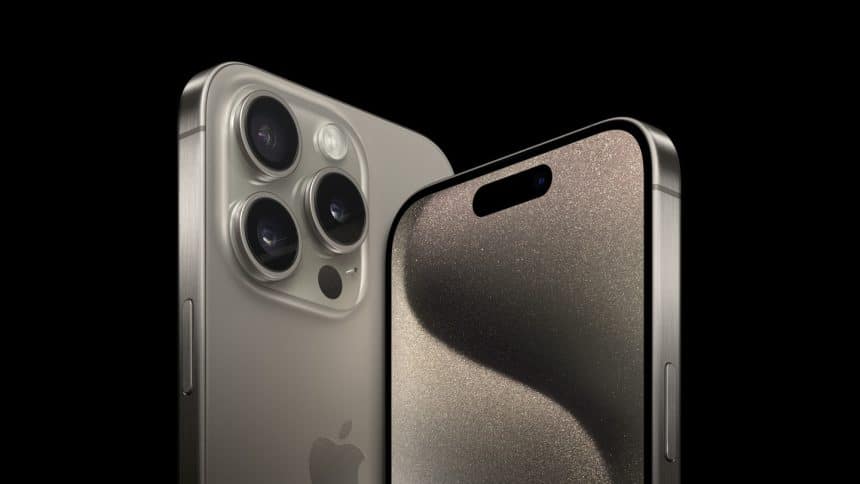
Apple’s future iPhone 20 Pro could introduce a significant camera upgrade focused on processing speed rather than megapixels.
A new leak suggests Apple may adopt a 17-nanometer manufacturing process for the circuitry inside its main camera sensor.
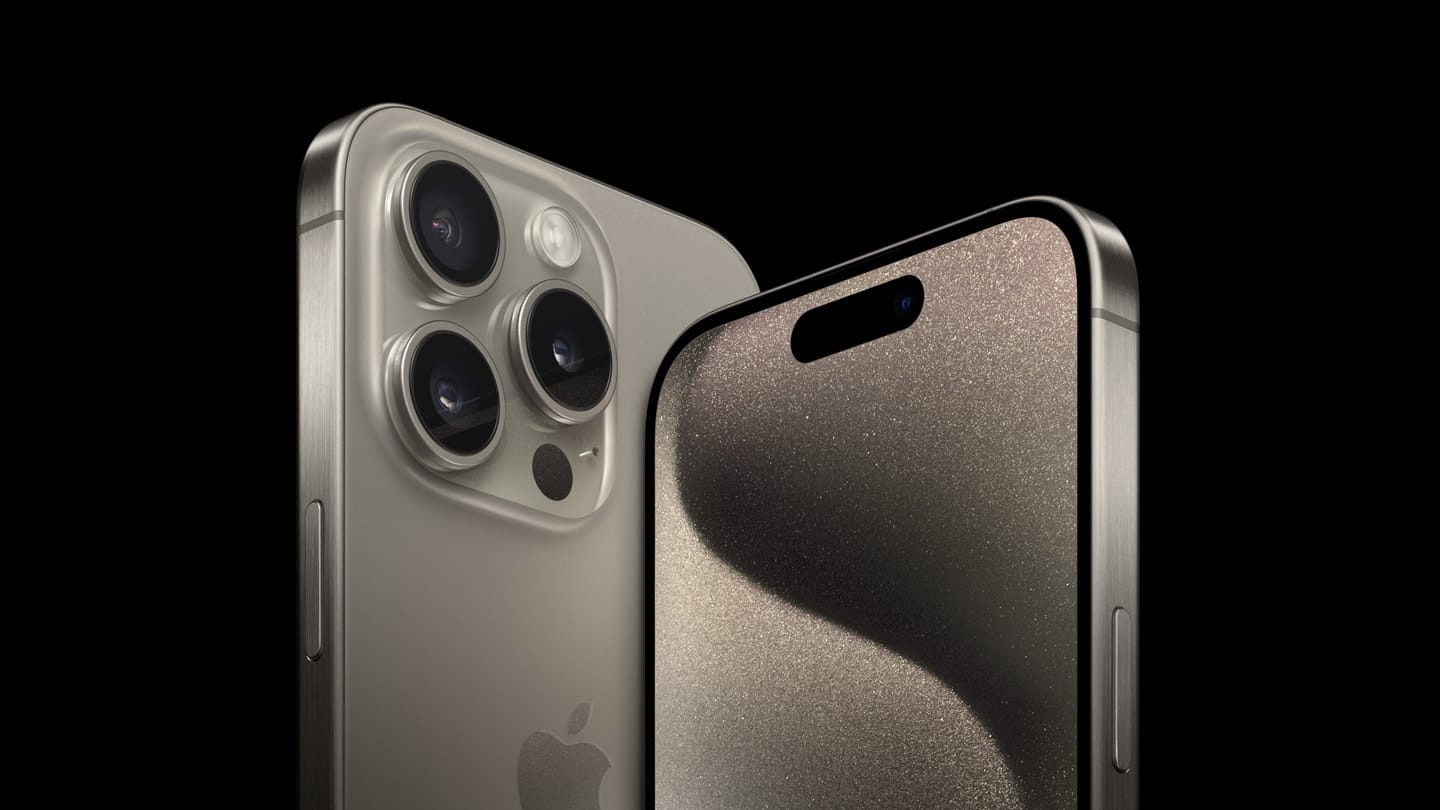
Although the change may not immediately affect image resolution, it could improve how quickly the camera captures and processes information.
However, Apple has not confirmed the technology or its expected performance benefits.
iPhone 20 Pro Could Introduce New Camera Technology
According to information shared by leaker Ice Universe on Weibo, the iPhone 20 Pro may feature a new main camera sensor.
The leak specifically mentions a 17nm logic process, suggesting improvements to the sensor’s internal circuitry.
Unlike traditional camera upgrades, this development focuses on the electronics responsible for handling image data.
Consequently, users might experience faster camera performance without necessarily receiving a higher-resolution sensor.
Nevertheless, the leak provides few technical details, leaving the exact improvements unclear.
How the 17nm Process Could Improve Photography
Modern smartphone cameras rely on several specialized components to capture and process images.
These components must transfer information from the sensor almost instantly after exposure.
Furthermore, the camera requires dedicated circuitry because the iPhone’s main processor cannot efficiently handle every sensor operation directly.
A redesigned logic process could potentially accelerate these tasks.
For example, faster communication between camera components might support higher video frame rates.
Similarly, improved data transfer could allow quicker burst photography, helping users capture fast-moving subjects.
However, these advantages remain possibilities rather than confirmed features.
Camera Security Could Also Benefit
Apple’s camera technology also includes security features that protect image authenticity.
One example is Apple Reference Image, which uses secure sensor startup procedures and cryptographic signatures.
These processes help verify image data before the operating system accesses it.
Therefore, improvements to sensor circuitry could potentially support faster handling of such operations.
However, the leak does not establish whether the rumored 17nm technology will directly improve these security features.
What to Expect From Apple’s Future Camera
Apple continues exploring camera improvements that extend beyond image resolution.
While features such as variable aperture attract attention, internal processing changes can also influence photography performance.
The rumored 17nm sensor represents another possible step toward faster and more capable smartphone cameras.
Still, its actual benefits remain uncertain until additional technical information emerges.
For now, the iPhone 20 Pro camera upgrade remains an unconfirmed rumor.