Apple is facing new revenue pressure as Google’s shift toward artificial intelligence changes how online advertising generates money.
The technology companies maintain a lucrative search partnership, but AI-powered results are creating financial challenges for both businesses.
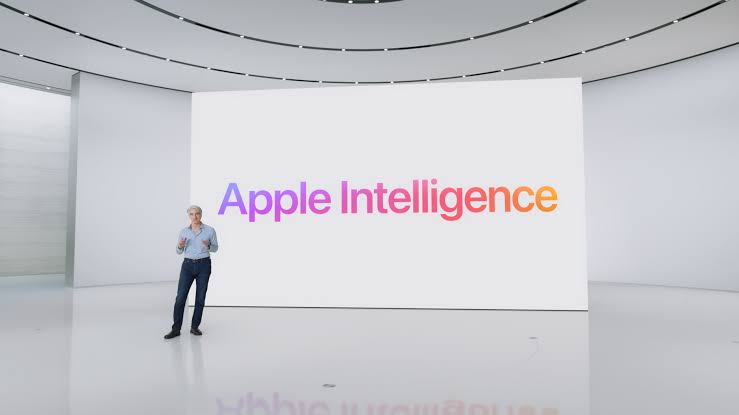
According to recent industry analysis, Google earns less advertising revenue from AI searches than from traditional search results. Consequently, Apple’s earnings from their agreement could suffer.
Apple’s Services Growth Shows Signs of Slowing
Apple’s Services division recently reported slower annual revenue growth, declining from 12% to 10%.
Furthermore, company executives warned that growth could weaken further during the following quarter.
Analysts believe Google’s changing advertising business may contribute to this slowdown.
Under their search agreement, Google reportedly pays Apple 36% of advertising revenue generated through Safari searches.
The partnership has previously carried an estimated annual value of $20 billion.
Therefore, weaker search advertising performance could directly reduce Apple’s payments.
Google Struggles to Monetize AI Search
Google faces a difficult challenge as more users interact with AI-generated search results.
Traditional search pages display advertisements alongside links. However, AI tools often provide detailed answers directly within search results.
This difference makes advertising placement more complicated.
According to Rosenblatt Securities analyst Barton Crockett, Google has struggled to generate comparable advertising revenue from AI Overviews.
Meanwhile, Google’s search advertising revenue growth slowed from 17% to 12% between consecutive quarters.
Reports also indicated that Google’s shares declined 18% following its disclosure of weaker search advertising growth.
These developments have raised concerns about the financial impact of AI-powered search.
Longer AI Queries Create Advertising Challenges
AI searches often involve longer questions and broader requests than conventional searches.
As a result, advertisers may find it harder to match advertisements with users’ immediate purchasing interests.
Additionally, Google must balance advertising revenue against the quality of its AI search experience.
Too many advertisements could discourage users, while fewer placements may reduce earnings.
Consequently, Google continues experimenting with advertising formats for its AI features.
Could Apple’s Search Revenue Recover?
Despite these challenges, analysts believe Google’s advertising performance could improve as its AI technology develops.
Advertisers remain interested in reaching users through AI-powered search experiences.
Furthermore, improved advertising formats could help Google generate stronger revenue without overwhelming users.
For Apple, that would mean potentially higher payments under its existing agreement.
However, the outcome remains uncertain as AI continues reshaping online search.
Ultimately, Apple’s situation highlights how changes in Google’s advertising business can influence revenue across the wider technology industry.