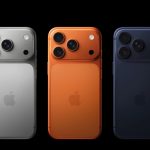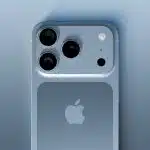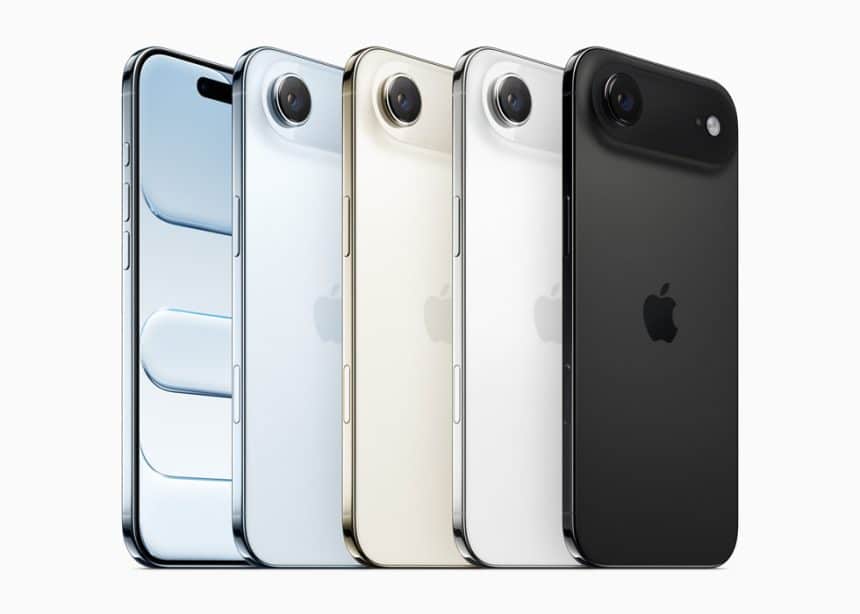
A key designer behind Apple’s iPhone Air has moved into the fast-growing world of artificial intelligence. Abidur Chowdhury, who worked on the sleek iPhone Air design, has joined Hawk AI as its new head of design.
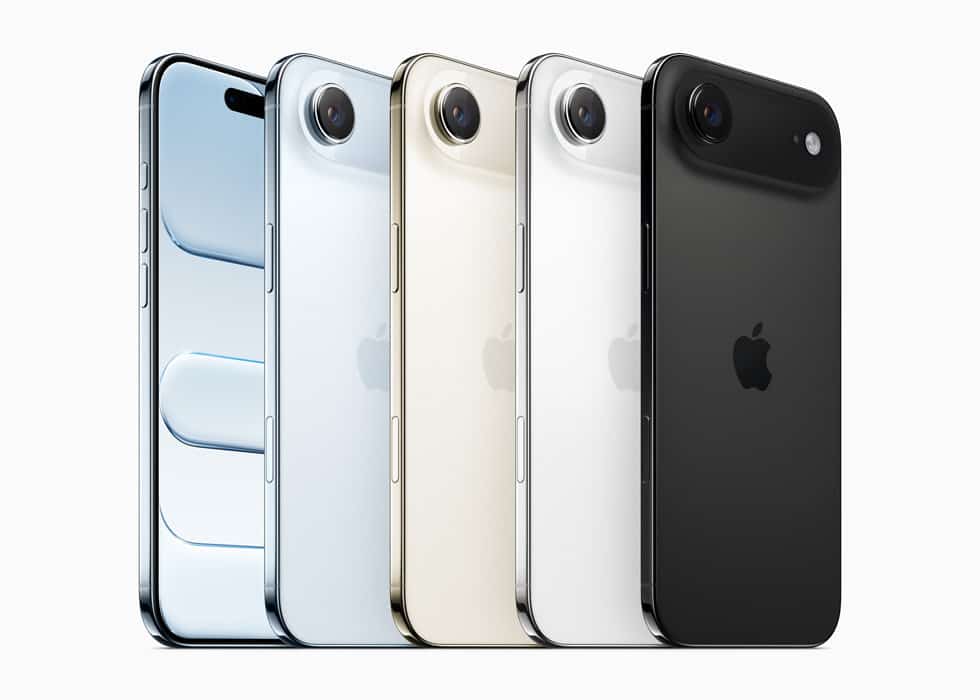
Chowdhury left Apple in November 2025 after several years shaping one of its most distinctive products. At Apple, he helped define the thin profile of the iPhone Air and even narrated its official launch video. As a result, he became more visible than most designers inside the company.
What Hawk AI Is Building
Hawk AI operates as a new startup focused on advanced artificial intelligence models. The company was founded by Brett Adcock, who also leads Figure AI, a firm developing humanoid robots.
Adcock reportedly invested $100 million of his own money to launch Hawk. Meanwhile, the company plans to grow alongside Figure AI. While Figure builds physical robots, Hawk focuses on the intelligence that could power future machines.
Currently, Hawk employs about 30 engineers. Many previously worked at Meta and Google. However, the startup aims to expand to around 100 staff members during the first half of 2026.
Why This Move Matters
Chowdhury’s shift highlights a growing trend across Silicon Valley. Top hardware designers now move into AI roles as technology priorities evolve. Because design plays a key role in how users interact with AI tools, Hawk appears eager to blend aesthetics with advanced engineering.
Although early reports suggested his departure caused major disruption at Apple, industry observers note otherwise. Apple continues to operate at scale, and leadership changes happen regularly across large tech firms.
Looking Ahead
For now, Hawk has shared few details about its upcoming products. Still, the hiring of an experienced Apple designer signals big ambitions. As AI development accelerates, design leadership may become just as important as raw computing power.
According to the attached document, Chowdhury’s transition marks another step in the widening connection between consumer hardware design and next-generation artificial intelligence.