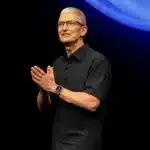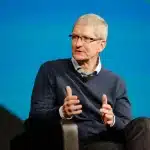
Apple has seen several artificial intelligence researchers leave its ranks, yet the company insists the changes will not derail Siri’s next evolution. Industry insiders say the departures match normal Silicon Valley job movement, especially in the fast-growing AI sector. Apple continues to rebuild Siri around its Apple Intelligence platform, which aims to turn the assistant into a deeper system-level tool.
Employee turnover often rises in competitive tech markets. Because AI talent remains in high demand, major firms constantly recruit experienced engineers. Apple’s situation reflects that wider pattern rather than a sudden crisis.

Key Names Move to Rivals
Reports confirm that at least four AI specialists left Apple recently. Yinfei Yang launched a startup, while Haoxuan You and Bailin Wang joined Meta. Meanwhile, Zirui Wang moved to Google DeepMind. A senior Siri executive, Stuart Bowers, also departed to work on Google’s Gemini project.
Although those exits drew attention, Apple did not dispute the changes. Instead, the company reaffirmed its ongoing investment in artificial intelligence research and product development. Leadership stressed that Siri’s roadmap remains intact.
Platform Strategy Protects Progress
Apple structures its AI work differently from research labs that focus on open experimentation. The company prioritizes stable features that run across hundreds of millions of devices. Therefore, it designs its teams to absorb staff movement without halting progress.
Unlike smaller startups, Apple controls hardware, software, and distribution. That integration allows it to deploy updates at massive scale. Competitors may recruit individuals, yet they cannot easily replicate Apple’s platform reach.
Siri’s Reputation Still at Stake
Siri continues to face criticism for lagging behind newer assistants. Users expect faster improvements, while Apple prefers steady upgrades over dramatic overhauls. That cautious strategy can frustrate customers, yet it reduces risk during large platform transitions.
Observers note that Apple survived similar skepticism during the Apple Maps launch and the shift to Apple Silicon. In both cases, early doubts eventually gave way to polished products. Apple hopes Siri follows that same path.
For now, analysts view the departures as routine churn rather than a warning sign. Siri’s long-term success will depend less on staffing changes and more on consistent progress across future software releases.