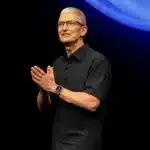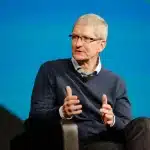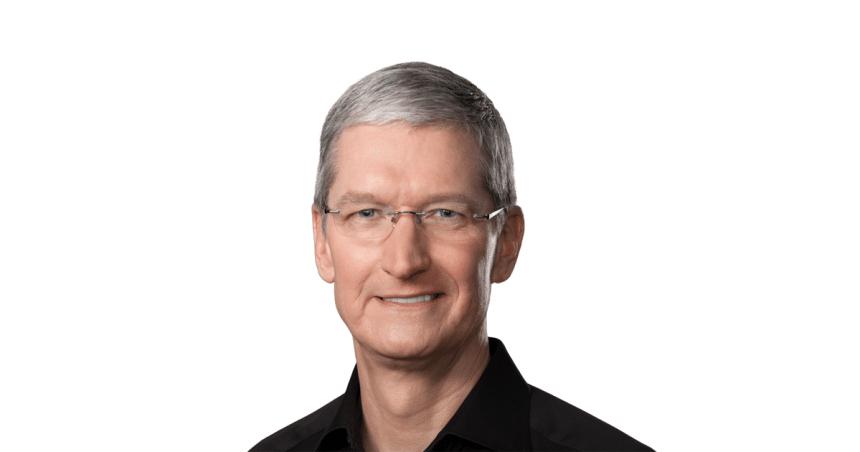
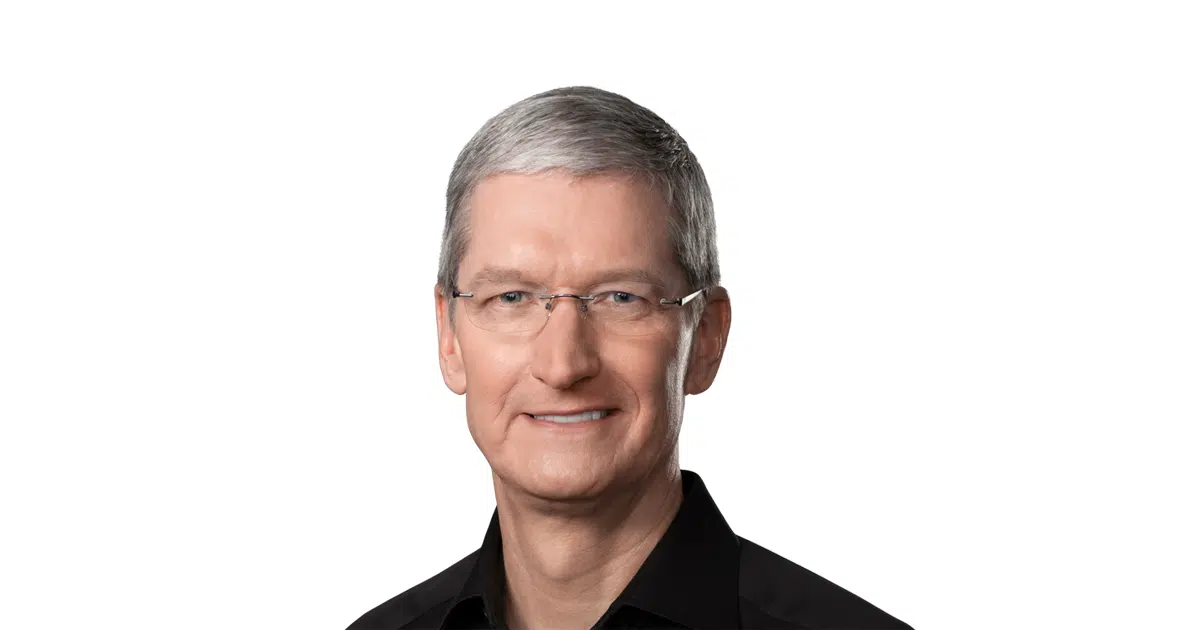
Apple CEO Tim Cook has promised to push lawmakers on immigration policy after employees voiced fear and frustration inside the company. The pledge followed an internal backlash tied to recent events in Minneapolis and Cook’s public appearances. During an all-hands meeting, Cook told staff that no worker should feel unsafe leaving home.
In a memo sent in late January, Cook said he felt “heartbroken” by the shooting of Alex Pretti, reportedly involving ICE agents. Employees later expressed discomfort and anger, especially after Cook attended a private documentary screening the same evening. The tension pushed leadership to address the issue directly.
Immigration Tied to Apple’s Identity
Cook emphasized that immigration plays a central role in Apple’s success. He reminded employees that the company hires talent from around the world, many of whom rely on work visas. Therefore, immigration policy affects both Apple’s workforce and its innovation pipeline.
“For as long as I can remember, we’ve attracted the best and brightest globally,” Cook told employees. He added that diversity strengthens Apple’s creativity and competitiveness. Because of that belief, he vowed to continue lobbying lawmakers.
Balancing Politics and Corporate Leadership
Cook also called for de-escalation in public discourse. He said he had already discussed immigration concerns with former President Donald Trump. However, critics note that Apple has maintained close ties with the administration on other matters.
The company joined several tech firms in donating to a White House ballroom project. Meanwhile, Cook previously praised government efforts to reshore manufacturing and presented Trump with a commemorative plaque. These gestures complicate public perceptions of Apple’s political stance.
Employees Watch for Follow-Through
Apple workers now wait to see whether Cook’s promise turns into measurable action. Advocacy efforts could include meetings with lawmakers or public statements supporting reform. Although employee trust may take time to rebuild, leadership has acknowledged the emotional weight of the moment.
Industry observers say this episode highlights a growing challenge for tech executives. Workers increasingly expect companies to engage with social issues, not avoid them. As a result, corporate leadership now sits at the intersection of business and public policy.
For Apple, the debate extends beyond politics. It touches identity, safety, and the future of a global workforce. Whether Cook’s lobbying effort changes policy remains uncertain, yet the internal message is clear: employees want their concerns heard.