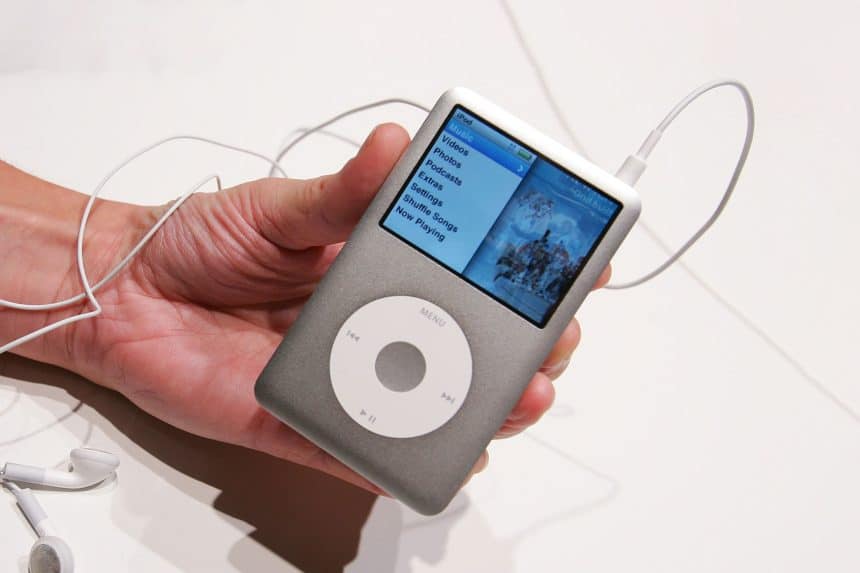
Young adults are moving away from all-in-one smartphones and rediscovering devices like the classic iPod. According to the feature published on February 23, 2026, many in Gen Z and Gen Alpha now favor purpose-built technology over constant smartphone access.
While smartphones once felt revolutionary, some younger users now describe them as overwhelming. Instead of relying on a single device for everything, they want tools that perform one task well.
The Weight of Constant Connectivity
As explained in the article, smartphones often trigger stress rather than convenience. Notifications interrupt daily life, and endless apps compete for attention. Even routine activities like banking, groceries, and doctor appointments require mobile apps.
Many adults admit they cannot fully disconnect. However, they can limit distractions. Some reduce notifications or remove social media apps from their phones. Others choose separate devices, such as MP3 players, to avoid endless scrolling.
Consequently, the iPod has regained cultural appeal.
Nostalgia Meets Practicality
The renewed interest does not rely on nostalgia alone. As described in the piece, users appreciate devices that focus on a single function. An iPod plays music. A point-and-shoot camera takes photos. These tools reduce temptation to check unrelated apps.
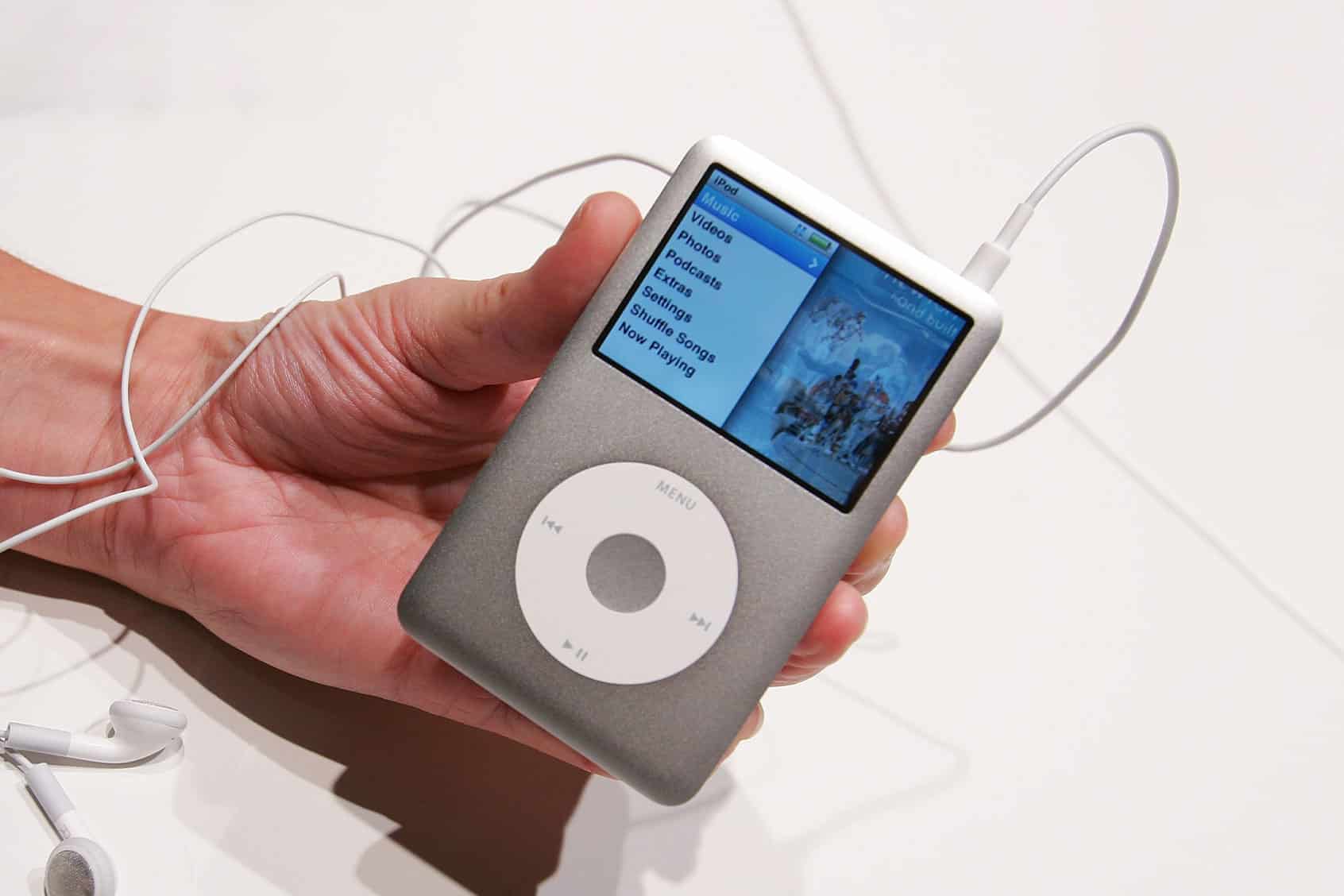
In addition, vintage tech carries a visual charm. The iPod’s click wheel and simple design remain iconic. Some refurbished models now sell at premium prices.
At the same time, most collectors still own modern smartphones. Like vintage car owners who keep a daily driver, tech enthusiasts often use both old and new devices.
A Shift in Digital Culture
Critics call the trend performative. Yet supporters argue it reflects digital fatigue rather than rebellion. Many young users seek balance, not abandonment of technology.
Ultimately, the iPod revival highlights a broader desire: fewer distractions and more intentional use of tech. Whether the movement lasts remains uncertain. However, it signals that younger generations are redefining how they interact with devices in 2026.