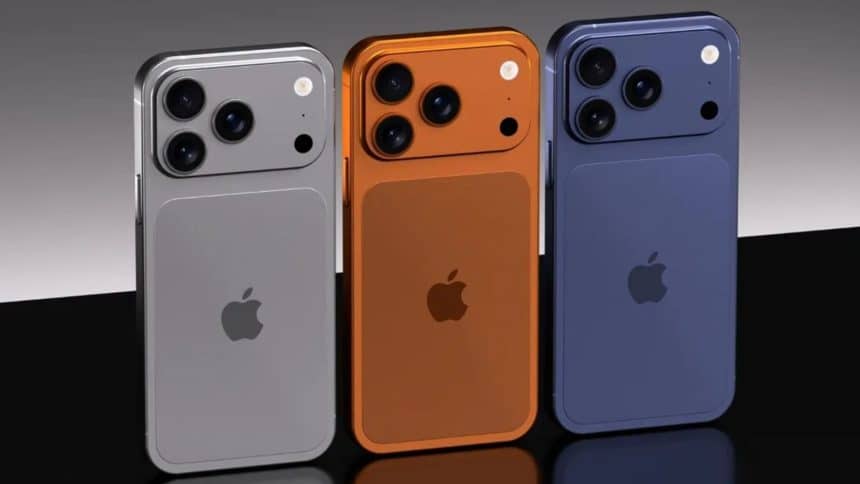
Apple may eventually build iPhones using 3D-printed aluminum, a move that could reshape how the company manufactures its devices. Industry reports suggest Apple is already experimenting with advanced printing techniques as it expands the technology across its products.
Although fully printed smartphones are not ready yet, Apple has already used 3D printing in other devices. For example, the Apple Watch Ultra 3 features a 3D-printed titanium case, marking the company’s first product built with the method. Engineers now aim to extend the technology to more products, including the iPhone.
Why Apple Is Interested in 3D Printing
Apple’s interest in 3D printing stems from efficiency and sustainability. Traditional machining methods carve device frames from solid blocks of metal. This process produces large amounts of excess material.
However, 3D printing builds parts layer by layer. As a result, the technique significantly reduces waste. Apple estimates the process could cut material usage by about 50 percent compared with conventional machining.
Lower waste also means lower manufacturing costs and a smaller environmental footprint. Therefore, 3D printing aligns with Apple’s broader sustainability goals.
Another advantage involves speed. Printed parts can be produced faster and require fewer machining steps. This efficiency could allow Apple to manufacture certain products more quickly.
Aluminum Presents Technical Challenges
Despite its promise, printing an iPhone chassis presents technical hurdles. Apple currently uses 6000-series aluminum, specifically the 6061-T6 alloy, in many devices. Unfortunately, this material does not work well with most 3D printing methods.
Aluminum also behaves differently than titanium during printing. Because it cools quickly and conducts heat efficiently, the metal can warp or crack if the process is not carefully controlled. Engineers must solve these issues before Apple can scale the technology for mass-produced smartphones.
As a result, Apple may need to adopt new aluminum alloys designed specifically for additive manufacturing.
Early Uses Already Appear in Apple Products
Even with those challenges, Apple already uses 3D printing in limited ways. Some internal parts and structural elements in recent Apple devices rely on printed components. For example, engineers used the technique to create the extremely thin USB-C port design in the iPhone Air.
Meanwhile, analysts expect Apple to expand the technology across its Apple Watch lineup before bringing it to larger products like the iPhone.
A Glimpse of Future Manufacturing
If Apple succeeds, 3D printing could transform how smartphones are made. The technology may reduce costs, improve sustainability, and speed up production.
While the concept of a fully 3D-printed iPhone remains experimental, the company’s ongoing research suggests the idea may not stay science fiction for long.