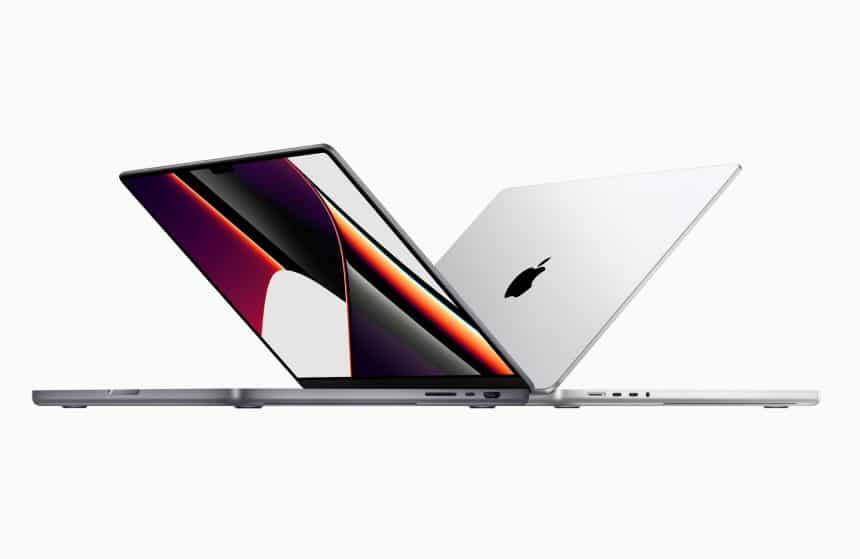
The global PC industry is under pressure as the cost of key components continues to rise. Prices for RAM, SSD storage, and processors have surged due to strong demand and limited supply. As a result, many manufacturers now face difficult pricing decisions.
According to a recent industry report, notebook prices could increase by more than 40% in some cases. This jump reflects higher production costs, especially for memory and storage components.
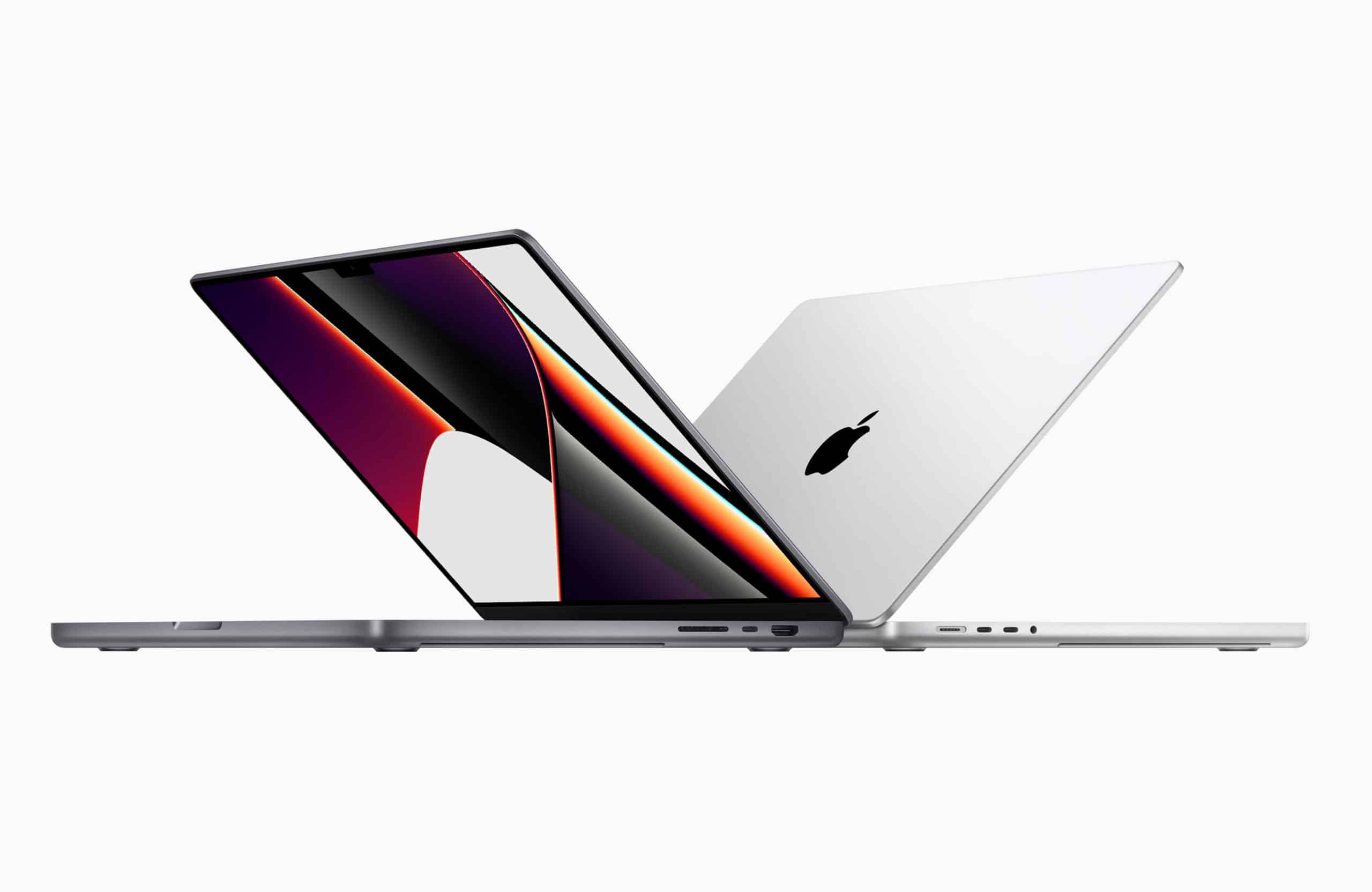
Typically, these components account for around 15% of a laptop’s cost. However, current market conditions could push that figure above 30%. Therefore, companies may need to pass these increases on to consumers.
Apple’s Supply Chain Advantage
While most PC makers struggle, Apple appears better positioned to manage the situation. The company benefits from strong supplier relationships and large-scale purchasing power.
Because of this, Apple can secure components at more stable prices. It also locks in long-term agreements that reduce sudden cost spikes.
As a result, Apple’s MacBook lineup is not expected to face the same dramatic price increases seen across the industry. This advantage highlights the strength of Apple’s supply chain strategy.
Why Smaller Manufacturers Are Hit Harder
In contrast, smaller PC manufacturers lack the same leverage. They often buy components in smaller volumes and rely on shorter-term contracts.
Consequently, they feel the impact of price fluctuations more quickly. Rising costs force them to raise retail prices to protect profit margins.
Additionally, processor prices have also increased. Some older Intel chips have risen by around 15%, while newer chips may see further increases.
These combined pressures create a challenging environment for smaller brands trying to stay competitive.
Challenges Still Ahead for Apple
Despite its advantages, Apple is not completely immune. Recent reports suggest that suppliers are beginning to push back on pricing.
For example, some memory suppliers now charge higher rates for components. In one case, Apple reportedly pays significantly more for DRAM chips.
Furthermore, Apple has started renegotiating contracts more frequently. Instead of long-term deals, some agreements now last only six months.
A Temporary Edge in a Changing Market
For now, Apple maintains a strong position in a difficult market. Its scale and partnerships provide a buffer against rising costs.
However, industry trends suggest that this advantage may not last forever. As demand for chips grows, even major players like Apple could face higher prices in the future.
Until then, Apple’s MacBooks remain relatively stable while the broader PC market navigates a period of significant change.