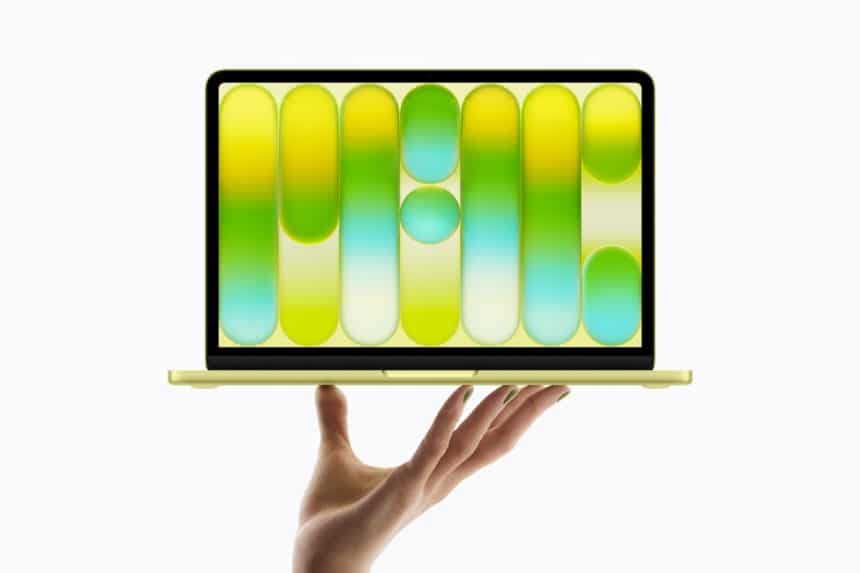
Apple has expanded its Self Service Repair program by adding support for several new devices. The latest update includes parts for the iPhone 17e, MacBook Neo, and more.
This move signals Apple’s continued effort to improve repair access. As a result, users can now fix more devices at home with official parts and tools.
New Devices Join the Lineup
The updated program now covers products launched in March 2026. These include the iPhone 17e, MacBook Neo, M4 iPad Air, and newer MacBook models.
Additionally, Apple added support for its Studio Displays. This broader coverage allows more users to access replacement components directly.
Customers can order batteries, displays, keyboards, speakers, and trackpads. At the same time, Apple provides detailed repair manuals online.
How the Program Works
Apple first introduced the Self Service Repair program in 2022. It is available in regions such as the United States, the United Kingdom, Canada, and parts of Europe.
Users can visit Apple’s repair store to purchase parts and access guides. Therefore, they can complete repairs without visiting an authorized service center.
This approach gives customers more control over their devices. However, repairs still require care and technical understanding.
Response to Right-to-Repair Pressure
Apple launched the program after facing pressure from right-to-repair advocates. Critics had argued that Apple limited independent repair options.
Over time, Apple has adjusted its policies. For example, it reduced some software restrictions on parts pairing in 2023. These changes made repairs easier for users and technicians.
MacBook Neo Leads Repair Improvements
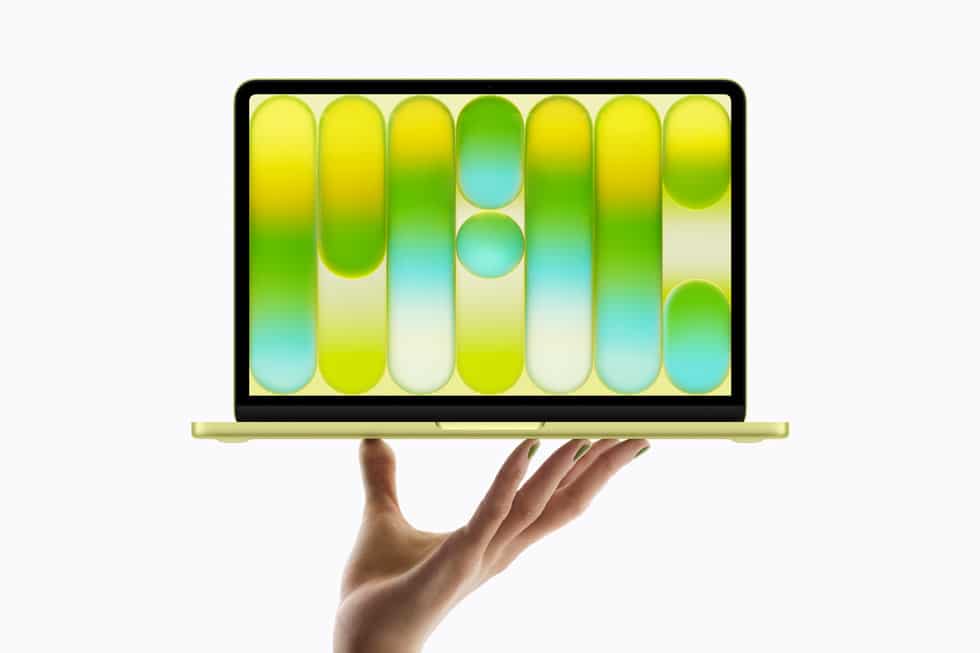
The MacBook Neo highlights Apple’s evolving design strategy. Unlike older models, it uses screws instead of glue for key components.
This design makes it easier to replace parts like batteries and keyboards. As a result, experts consider it one of the most repairable Apple laptops in years.
A Step Forward, But More Work Ahead
While Apple has made progress, some critics remain cautious. They argue that further improvements are still needed to fully support independent repairs.
Nevertheless, this update marks a positive shift. Apple continues to balance product design with growing demands for repairability.