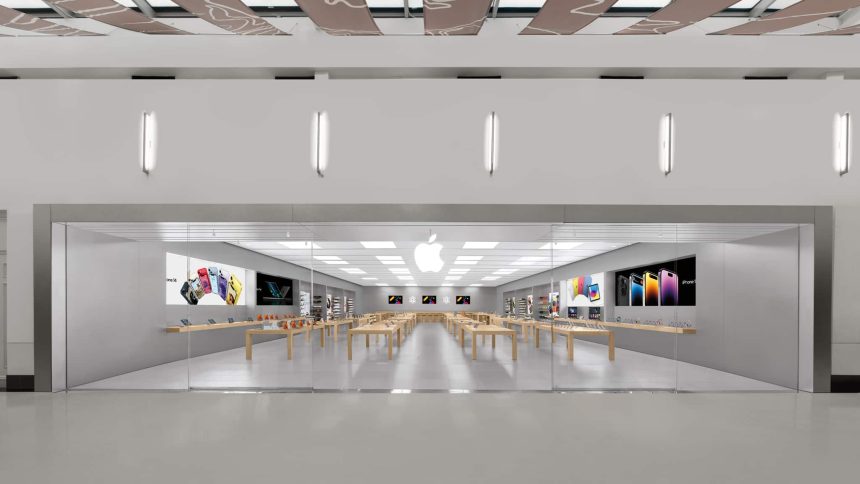
Apple has confirmed plans to close three retail stores in June as part of a broader strategy shift. The affected locations include Apple North County in California, Apple Trumbull in Connecticut, and Apple Towson Town Center in Maryland.
Notably, the Towson store holds special significance. It was Apple’s first unionized retail location in the United States. Therefore, its closure has drawn national attention.
Shift Away From Mall Locations
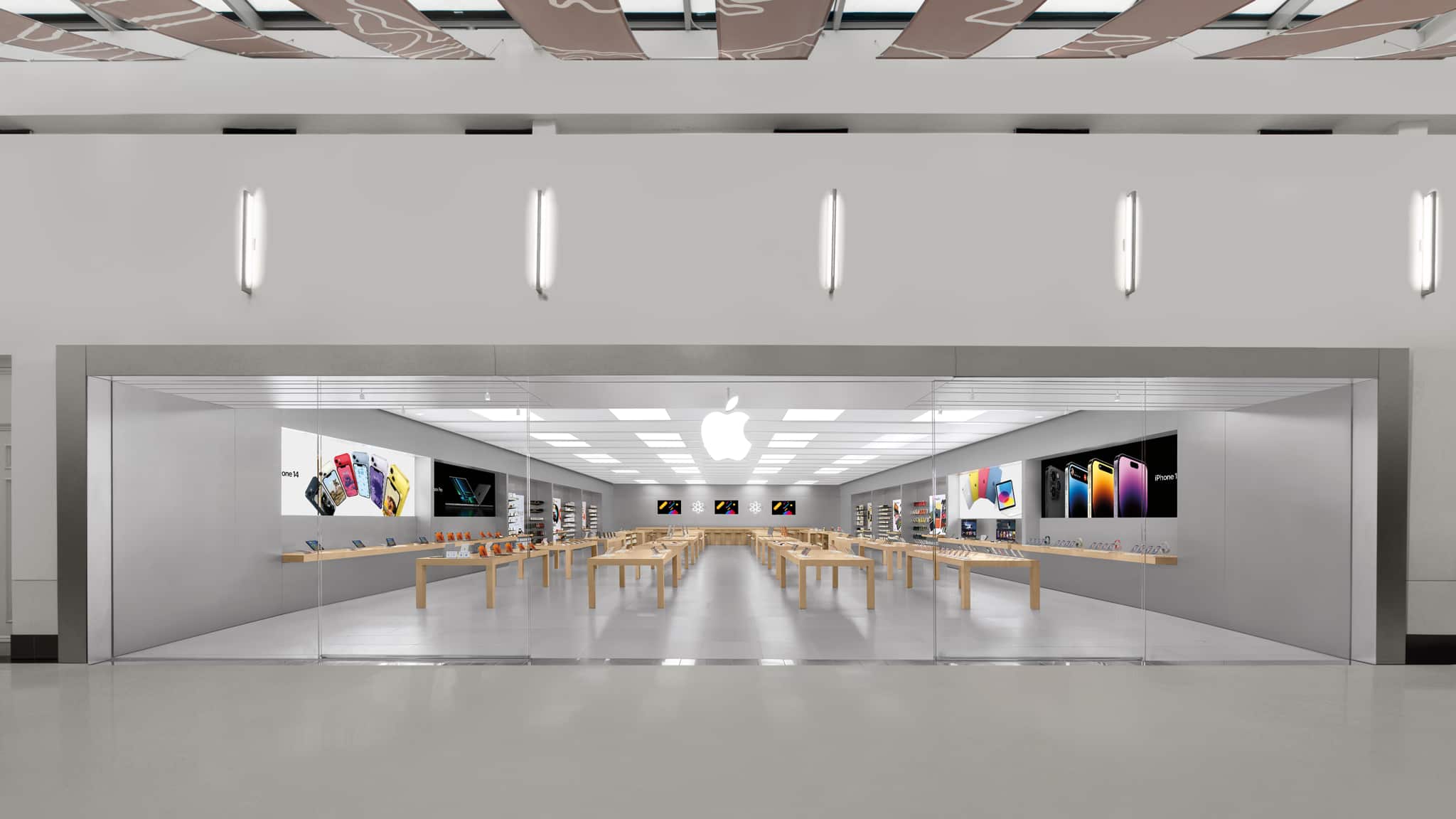
Apple explained that declining conditions in several shopping malls influenced the decision. As more shoppers turn to online retail, foot traffic in malls continues to drop. Consequently, many retailers have already left these spaces.
Because of this trend, Apple now focuses on stores in busy commercial districts. These locations offer stronger customer flow and better long-term growth. For example, the company recently opened new stores in downtown Detroit and Miami.
What Happens to Employees
Most employees from the closing stores will move to nearby Apple locations. If they choose to stay, they can continue their roles without major disruption.
However, the situation differs slightly for Towson workers. Since that store is unionized, employees must apply for open roles under the existing agreement.
The nearest alternative store for Towson staff is about 26 miles away in Columbia, Maryland. This distance may impact daily commutes for some workers.
Union Pushes Back
The union representing Towson employees has strongly criticized Apple’s decision. It claims the closure may target union activity rather than business needs.
Union leaders argue that Apple could have relocated workers instead of shutting down the store. As a result, they are exploring legal options and seeking support from public officials.
Meanwhile, Apple maintains that the decision reflects changing retail conditions, not labor disputes.
A Broader Industry Trend
The closures reflect a wider shift in retail. Many companies are moving away from malls and focusing on high-traffic urban areas.
Although Apple continues to expand its retail presence, it is becoming more selective about store locations. Therefore, this move signals a strategic change rather than a slowdown.
What Comes Next
The closure of a unionized store adds a new layer to Apple’s labor relations. Legal challenges may follow, and the outcome could influence future union efforts.
At the same time, Apple will continue adapting to changing consumer habits. As retail evolves, the company aims to balance growth with efficiency and customer experience.