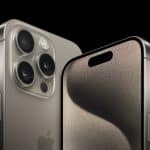
Apple pushed the boundaries of live sports broadcasting with an unusual experiment during a Major League Soccer match, using iPhone 17 Pro devices to film an entire professional game. The LA Galaxy versus Houston Dynamo FC match became a real-world test of whether smartphones could handle the demands of premium live sports coverage.
The result was both impressive and revealing.
Apple positioned iPhones throughout Dignity Health Sports Park in California. The devices captured tunnel footage, in-goal action, player entrances, crowd reactions, and live match coverage. Smaller smartphone rigs allowed placements that traditional broadcast cameras simply could not achieve.
Creative Camera Angles Won Early Praise
Many viewers praised the immersive close-up shots. In-goal footage created a dramatic sense of proximity, while low-angle field views added cinematic energy. Pregame coverage, especially player walkouts, looked polished and fresh.
This demonstrated one clear strength of smartphone cameras in sports broadcasting: flexibility. Because iPhones are compact and lightweight, production teams can place them in tight spaces without bulky equipment.
Social media reaction reflected that excitement. Some fans described the footage as dynamic and engaging, particularly when the action stayed close to the lens.
Wide Gameplay Exposed the Weak Spots
However, enthusiasm faded once the main gameplay relied on the smartphones. Fast-moving action across a full soccer field pushed the cameras beyond their comfort zone.
Viewers reported softer wide shots, unstable focus shifts, visible compression, shaky tracking, and image processing artifacts. Grass textures sometimes looked blurred or muddy, especially on larger television screens where flaws became easier to spot.
This highlights a key technical challenge. Smartphones excel in controlled or close-range filming, but professional sports require sustained zoom performance, rapid subject tracking, and consistent image clarity across changing lighting conditions.
Traditional broadcast cameras are built specifically for those demands. Smartphones are not.
A Useful Tool, Not a Full Replacement
Despite the criticism, the experiment still mattered. It showed how smartphones can enhance sports production rather than replace conventional equipment.
Apple’s test suggests a hybrid future may be more realistic. Smartphones could handle immersive specialty angles, behind-the-scenes storytelling, and supplemental match coverage, while dedicated cameras continue managing the core broadcast feed.
Innovation often begins with imperfect experiments. Apple’s iPhone soccer broadcast may not have rewritten sports television, but it offered a compelling glimpse at how future live productions could evolve.