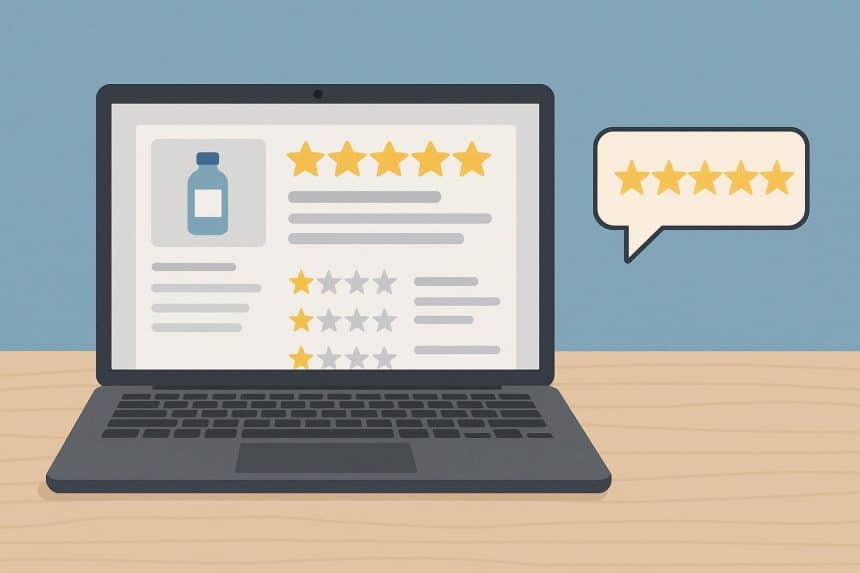
Seeing a well-prepared ad or a product description is far from enough to convince consumers to commit to a purchase. Now, real testimonials, reviews, and other feedback from your previous clients are much more crucial and even mandatory for making people more comfortable in digital stores. And for the most part, it’s not just curiosity driving clients: it’s the fear of getting scammed by fake online stores, receiving low-quality products, or being subjected to rude customer service. Hence, let’s explore why real comments and ratings from customers matter so much, and what pitfalls you face when looking for some general feedback on products.
Why social proof is key to selling (and buying)
Social proof is one of the biggest factors in whether you actually purchase an item that looks interesting. As discussed in a Forbes article, 98% of consumers look for and read reviews to judge if they are making the right call. With these statistics, you can also see the growing number of stores and services that directly integrate reviews on their product pages, preventing users from wandering away.
The need for social proof may stem from the variety of products and stores, many of which are relatively unknown or new to the user. So, finding feedback and comments gives us confidence in the security of our investment and a safer bet that we will not regret our decision later. Furthermore, if the feedback is negative, we immediately feel as if we have dodged a bullet for being clever enough to discover the product’s faults.
How companies drive reviews and comments
While we all look for product ratings and reviews, a regular customer is usually reluctant to spend time giving feedback. That applies unless the customer has a negative experience, which they are far more likely to report online.
So, how do stores and companies encourage clients to leave positive feedback, too? Well, more and more stores offer in-store credit and benefits to clients who leave comments. Furthermore, others might partner with an online earning website to encourage honest feedback and product testing. Services like JumpTask can pay for tasks such as shopping online, which may require leaving a comment.
And finally, people might be far more willing to express their opinion if a brand pays attention to it. Then, even negative feedback can become positive if a service makes the appropriate changes based on it. The latter is very common among hotels on services like Tripadvisor.
How companies can also be sneaky with social proof
When it comes to feedback and reviews influencing our purchasing decisions, it relies on the condition that these ratings are genuine. For example, we expect that previous customers won’t make bogus claims, be it positive or negative. Unfortunately, some pitfalls could make you believe a product to be other than it claims to be:
- One of the biggest obstacles is companies generating fake positive reviews for their brands. In these cases, be cautious of accounts making big claims but with only 1-2 prior feedback instances.
- Creators on social media might not disclose that they have entered paid partnerships with brands. Hence, these creators are likely to provide overly positive feedback.
- Different needs and opinions might also influence whether one person likes a product, and the other one hates it. For example, video games might be one of the products that are far more difficult to judge from others’ comments.
- Outdated feedback from years ago could also still linger on the brand’s page despite having been resolved. Hence, when checking trusted review platforms, always pay attention to the posting date.
- Of course, some people might lack the expertise to judge certain products accurately. For example, if a person purchases a gaming laptop, they might not dig deeper into its specifications, expecting a much higher performance. When the product proves less powerful, they might bombard the service with 1-star reviews and complaints.
Final thoughts
Online shopping can overwhelm us with its aesthetic product presentation and clever marketing descriptions. Yet, if you want to have a pleasant experience, we always recommend checking trusted review platforms, but reading them with a grain of salt. After all, each person has different product expectations, and some might even be coming from competitors attempting to slander the business, or fake bots generating positive buzz.