Microsoft and Qualcomm have revealed a new AI-focused wearable device called Project Solara. The announcement came during a discussion between Microsoft CEO Satya Nadella and Qualcomm CEO Cristiano Amon. Together, the companies described a future where AI agents take on more everyday tasks for users.
The device reflects a growing interest in AI-first products. Instead of relying on traditional apps, Project Solara aims to help users complete tasks through AI-powered assistants. According to the companies, this approach could change how people interact with technology.
A Different Vision for AI
Project Solara takes a different path from many current devices. Nadella explained that technology is moving beyond operating systems and apps toward AI agents that can act on behalf of users. Meanwhile, Amon described the device as a highly personalized experience built around cloud-connected intelligence.
The wearable reportedly includes sensors and an energy-efficient processor. It also depends heavily on cloud computing. As a result, the device can access powerful AI tools without requiring large amounts of local processing power.
Privacy Debate Continues
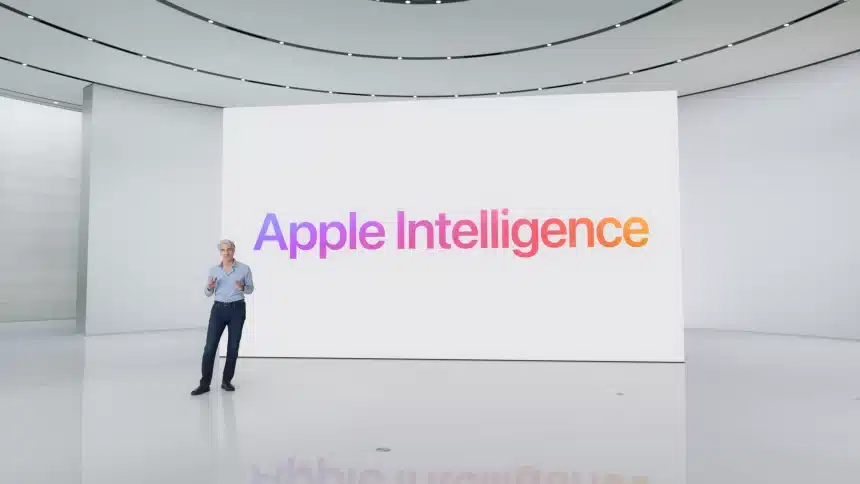
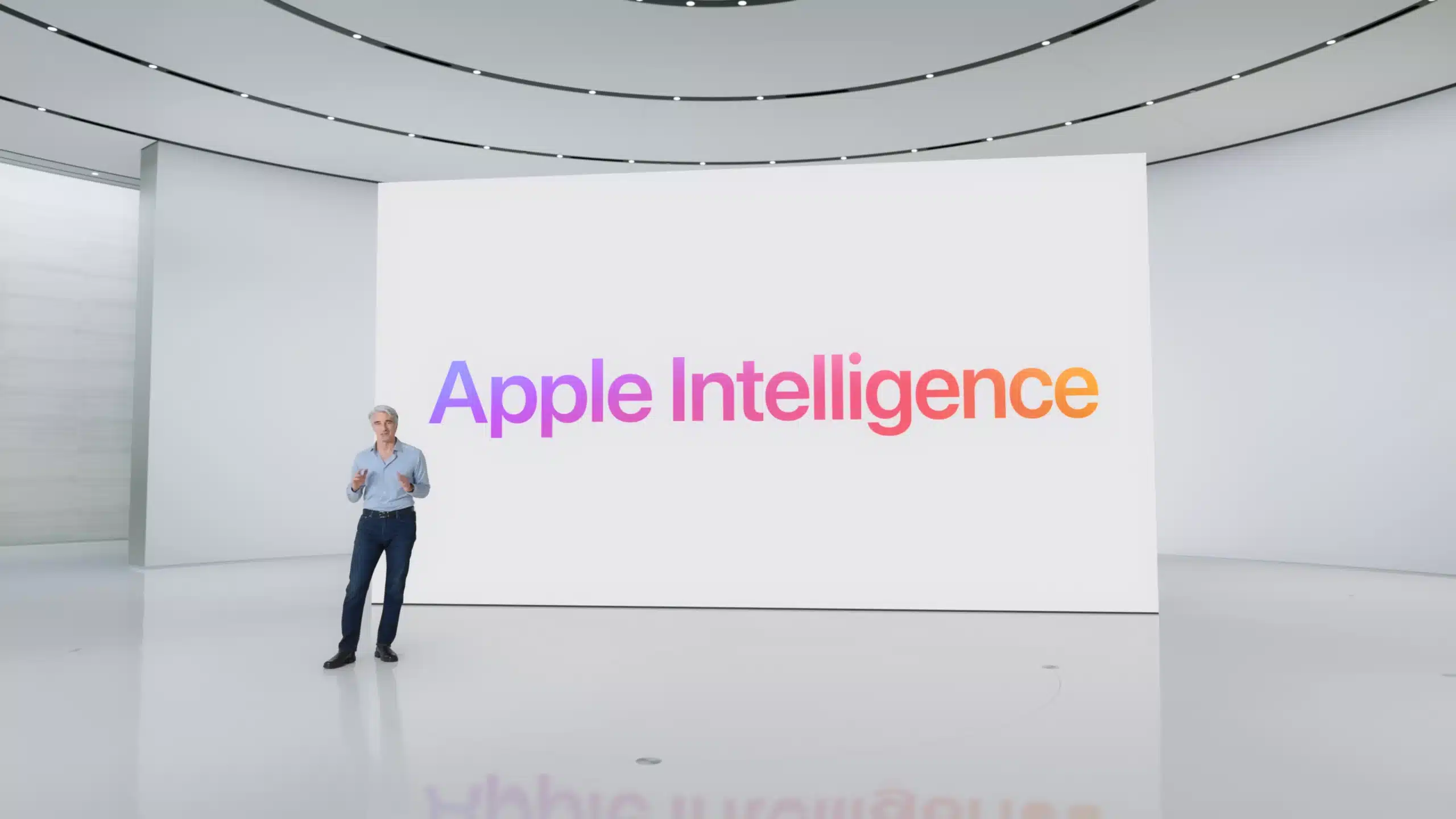
The announcement has also renewed discussion about privacy and security. Microsoft’s approach relies on cloud-based AI, which requires information to travel over the internet. In contrast, Apple continues to emphasize on-device AI processing through Apple Intelligence. This strategy keeps more data on the user’s device rather than sending it to remote servers.
Even so, both companies support user choice. Project Solara is expected to offer access to different AI agents, while Apple reportedly plans to expand third-party AI support in future software updates.
Can AI Wearables Succeed?
The market for AI wearables remains uncertain. Previous products such as the Humane AI Pin and Rabbit R1 struggled to gain widespread adoption. Therefore, some analysts question whether consumers truly want dedicated AI devices.
Despite those challenges, major technology companies continue to invest in the category. Microsoft and Qualcomm believe AI wearables could become an important part of future computing. Whether Project Solara can achieve mainstream success remains an open question, but the race to define the next generation of AI hardware is clearly underway.