Apple users are, by and large, listeners. The AirPods in millions of ears, the podcasts queued up for every commute, the audiobooks on the go, all point to a simple truth: a huge amount of content on Apple devices is consumed by ear rather than by eye. Yet so much of what people genuinely want to get through, saved articles, long reads, documents, newsletters, remains locked in text, waiting for reading time that never quite arrives. Modern text to speech bridges that gap, turning the written content you have been meaning to read into natural-sounding audio you can listen to through your AirPods like anything else.
The Reading You Never Get To
Everyone with a device has a backlog of things they mean to read. Articles saved for later, long pieces bookmarked with good intentions, newsletters piling up, documents that need attention. The interest is there, but reading requires a specific kind of time, sitting down, eyes on a screen, undivided attention, and that time is often the scarcest thing in a busy day. So the reading list grows, and much of it is never read.
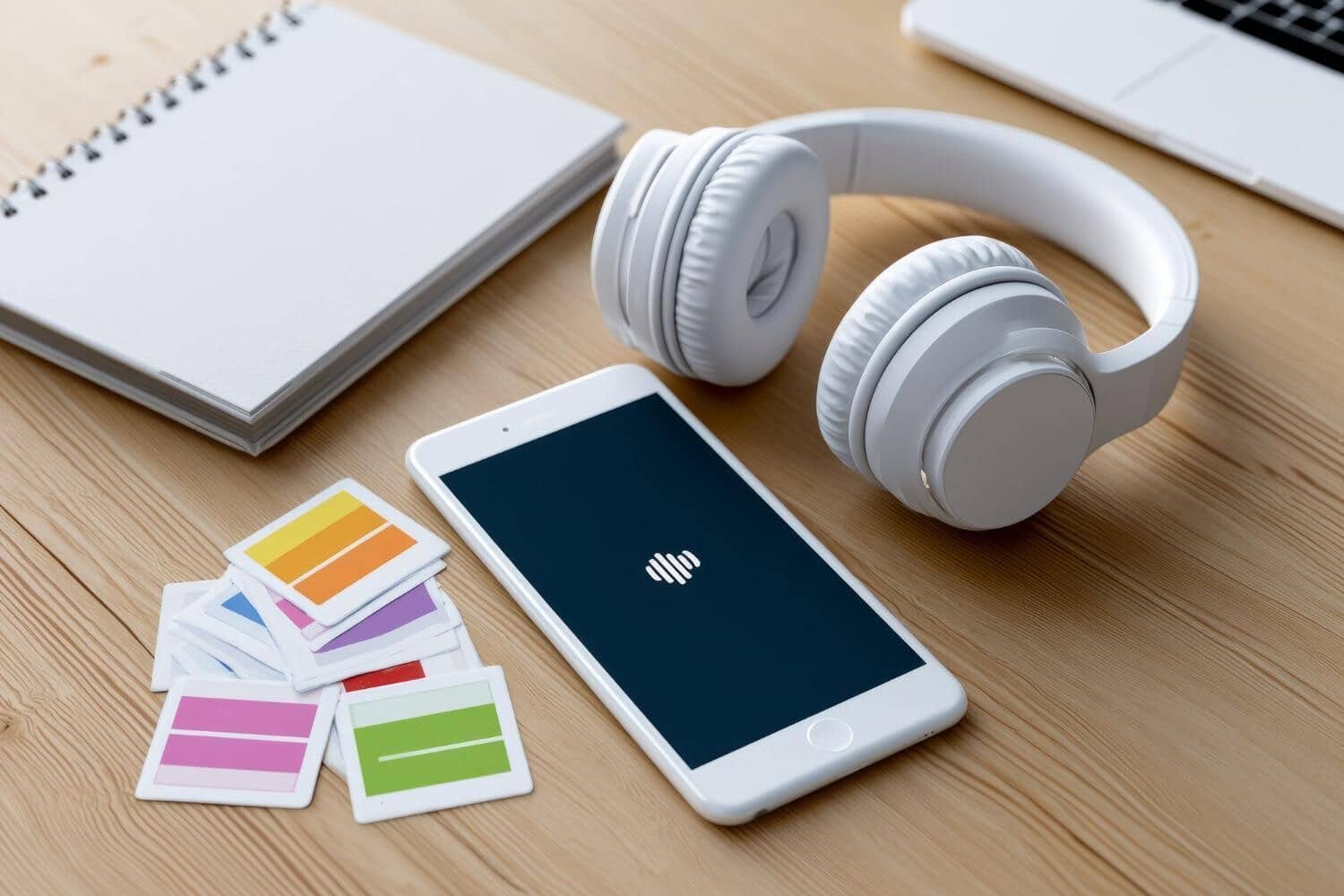
Meanwhile, the same person has plenty of moments that reading cannot fill but listening can: the commute, the walk, the gym, the chores, the drive. These are times when your hands and eyes are occupied but your attention is free, which is exactly why podcasts and audiobooks fit modern life so well. The mismatch is clear. There is content you want to consume trapped in a format that needs reading time you do not have, and there are listening moments going spare. Bridging that gap is where text to speech comes in.
Content You Can Listen To
The idea is simple: convert the written content you want to get through into audio, and listen to it in the moments reading cannot reach. What has changed is that the audio now sounds good. Where older synthetic voices were too robotic to enjoy for long, modern text to speech produces speech natural enough to listen to comfortably, the way you would a podcast.
That quality is what makes this genuinely appealing on Apple devices. A modern text to speech system turns written text into natural-sounding audio, which means an article or document can become something you listen to through your AirPods rather than something you have to sit and read. The saved piece you never found time for becomes listening for your next walk. The long read becomes company on the commute. Turning your reading list into a listening list simply means meeting the content where you actually have time for it, in a voice that is a pleasure to hear.
Fitting Apple’s Listening Habits
This suits the way Apple users already live with their devices. The iPhone is the constant companion, the AirPods are ready in a pocket, and listening is already woven into the day. Adding written content to that audio mix is a natural extension rather than a new habit to build. The article you convert to audio slots into the same listening moments as your podcasts and music, requiring nothing more than pressing play.
The benefit is getting to content you would otherwise miss. The Institute of Electrical and Electronics Engineers documents the research behind modern speech synthesis, a reminder that the natural quality making this pleasant to listen to rests on real and fast-improving engineering. For an Apple user with a long reading list and a full set of listening moments, converting text to audio is a way to finally close the gap between the two, turning dead reading intentions into content actually consumed. It is a small shift in how you handle written material, with a big effect on how much of it you get through.
Using It Well
A little thought helps. Text to speech works best on content genuinely suited to listening, longer articles and pieces you want to absorb, rather than things you would only skim. Choosing a voice you find easy to listen to makes a real difference over the length of a long read, and being aware that some formatting or visual content does not translate to audio helps set expectations for what to convert.
It is also worth using the technology respectfully, converting content for your own listening in line with how it is meant to be used. Treated this way, text to speech becomes a genuinely useful part of how you consume content on your Apple devices, quietly expanding what you can get through without adding a single minute of dedicated reading time.
From Backlog to Playlist
For Apple users, whose devices and habits are already built around listening, the persistent frustration of a reading list that never shrinks has a neat solution. Modern text to speech turns written content into natural audio that fits straight into the listening moments already filling the day, so the articles and documents you have been meaning to get to become something you can simply play.
The reading you never find time for and the listening time you have going spare are two halves of the same problem, and converting text to speech joins them up. With a voice natural enough to enjoy, your backlog of saved reading becomes a playlist for your next walk or commute. On devices made for listening, it is a fitting way to finally get through the content you actually care about.