Technical debt is a challenge that develops gradually as software evolves. What begins as a small shortcut or a quick fix can eventually affect performance, reliability, and the time required to introduce new features. In software development, maintaining a balance between immediate delivery and long-term stability is essential. Even a well-built application can become difficult to manage when outdated dependencies, rushed architectural decisions, and inconsistent coding practices accumulate. Recognizing these issues early can help development teams protect product quality, control maintenance costs, and keep future improvements on track.
Technical Debt Rarely Announces Itself Early
Technical debt is not always obvious during development. You may notice it when a small feature unexpectedly breaks unrelated functionality or when a controller contains business logic that belongs elsewhere.
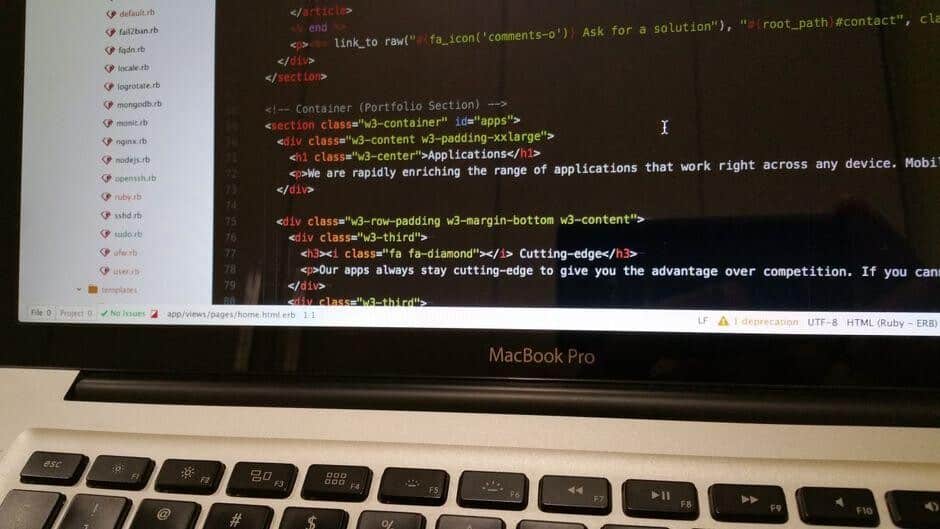
Rails makes it relatively easy to build and release features, which is one of its biggest advantages. However, that flexibility can also allow poor practices to remain hidden. Fat models, complicated callback chains, N+1 queries, and duplicated business logic may not cause immediate problems when an application is small.
As the product grows, those shortcuts become increasingly expensive. New developers take longer to understand the codebase, code reviews become more complicated, and deployments require additional caution. The problem is no longer simply untidy code. Hidden complexity begins affecting product decisions, release schedules, and engineering productivity.
Performance Problems Often Begin With Architecture
When a Rails application becomes slower, infrastructure is an obvious place to investigate. PostgreSQL, Redis, Sidekiq, and server capacity can all contribute to performance problems. However, increasing infrastructure resources will not necessarily solve inefficient application design.
Poor database queries, unnecessary synchronous operations, and unclear service boundaries can create avoidable delays. A single request might trigger excessive database calls, wait for an external API, and generate unnecessarily large responses.
The result can be frustrating: infrastructure dashboards appear healthy while important user actions still feel slow. Average response times may also hide occasional delays that affect checkout, registration, or other critical workflows.
A focused technical review can help identify these weaknesses. A free Rails code audit can help uncover architectural and maintainability issues before they develop into recurring production problems.
The Cost Appears in Product Development First
Technical debt often becomes visible in everyday product work before anyone formally identifies it as an engineering problem.
Feature estimates become less reliable. Bug fixes repeatedly displace planned improvements. A seemingly straightforward request turns into several days of investigation because nobody is confident about changing a particular section of the application.
This creates tension between product and engineering teams. Product managers plan around expected delivery times, while developers understand the implementation risks are considerably higher. Eventually, teams begin adding extra time to estimates because uncertainty has become part of the development process.
Billing workflows, authorization systems, administrative dashboards, and background jobs are particularly vulnerable. These areas often accumulate business rules through years of incremental changes. Fixing the problem requires understanding how those rules interact, not simply rewriting one complicated method.
Dependency Drift Creates Long-Term Risk
Many teams postpone framework and dependency upgrades because the application continues working. That decision may seem reasonable during a busy development cycle, but postponement can make future maintenance increasingly difficult.
An outdated Rails version may eventually become unsupported. A gem may stop receiving security updates, or an upgrade may require changes across Ruby, JavaScript tooling, testing libraries, and deployment scripts.
The official Ruby on Rails maintenance policy explains the support periods for framework releases, including bug fixes and security updates. Once a release reaches the end of its support period, maintaining its security and stability becomes the application team’s responsibility.
This is why upgrades should be treated as ongoing maintenance rather than occasional emergencies. Teams do not necessarily need to adopt every new release immediately, but they should maintain a realistic upgrade schedule and sufficient test coverage.
Rails Conventions Only Work With Consistency
Convention over configuration is one of Rails’ strongest advantages. It gives developers a familiar structure and reduces unnecessary decisions. However, that advantage weakens when different parts of an application follow completely different patterns.
One developer may place business logic in models, another may use concerns, and someone else may introduce service objects or interactors. Each approach can be appropriate, but inconsistent decisions make the application harder to understand.
A mature Rails project needs shared expectations around naming, folder organization, authorization, error handling, background jobs, and testing.
When developers have to relearn local conventions every time they work on another feature, productivity suffers. Consistency does not mean forcing every problem into the same pattern. It means agreeing on understandable principles and applying them deliberately.
Audits Are More Valuable Before a Crisis
Many teams consider external technical reviews only after a major production failure, a difficult migration, or a significant performance problem. By that stage, the available options may be limited and the pressure to act can be considerable.
A review conducted earlier provides more room to prioritize improvements. It can identify fragile components, highlight maintenance risks, and distinguish genuine architectural problems from cosmetic preferences.
Not every complicated file needs immediate attention. Some technical debt has little practical impact, while other problems slow development, increase security exposure, or make important workflows unreliable.
A useful audit should examine code quality, dependency health, performance, test coverage, deployment practices, and the application’s suitability for current business requirements. The objective is not to rebuild everything. It is to establish a practical improvement plan.
Warning Signs Your Technical Debt Is Growing
You do not need to examine every line of code to recognize that maintenance is becoming harder. Start with recurring patterns in everyday development.
Are releases frequently delayed by regressions? Do developers avoid particular parts of the application? Are automated tests unreliable? Does onboarding require extensive explanations from a small number of experienced team members?
Then investigate the technical details. Review database indexes, background job reliability, authorization patterns, and query performance. Check whether service objects genuinely simplify business logic or merely relocate complexity.
The official Active Record Query Interface guide explains common database querying practices, including how N+1 queries occur and how eager loading can reduce unnecessary database requests.
These checks help connect technical symptoms with practical improvements.
Keep Technical Debt From Controlling Your Roadmap
Technical debt becomes expensive when it starts influencing every development decision. Instead of building confidently, teams spend increasing amounts of time investigating regressions, working around fragile components, and protecting existing functionality.
The solution is not to eliminate every shortcut or continuously rewrite working software. It is to recognize which compromises are creating measurable problems and address them before they restrict progress.
Regular dependency updates, reliable automated tests, consistent development practices, and periodic technical reviews can make maintenance more predictable. Most importantly, engineering and product teams should treat technical health as part of long-term product planning.
A flexible Rails application should make it easier to improve your product over time. When maintaining it becomes harder than developing new features, technical debt deserves attention before it becomes the biggest obstacle to your roadmap.