Stories about cell phone unlocking and resales have hit the news recently. TracFone sued numerous resellers who (legally) bought inexpensive subsidized units, unlocked them and sold them overseas. In the iPhone world, the story differs. Rather than leveraging subsidized prices, the way the TracFone defendants did, iPhone resellers added value on top of the unsubsidized units. They bought the phones, unlocked them and sold them for a profit.
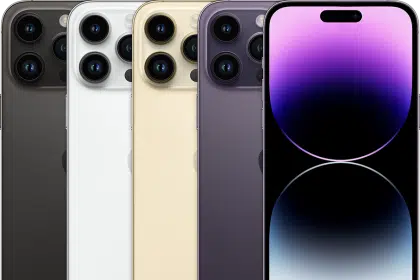
The story gets more interesting with the current generation "no commitment" iPhones. The latest 3G "no commitment" iPhone pricing appears to include an extra $200 profit margin on top of the $200 subsidy.
TUAW reader Adam Jenkins offers proof. In Massachusetts, purchasers pay tax on the full unsubsidized phone price, regardless of carrier subsidies. The 5% sales tax for his new 16GB 3G iPhone came to $24.95. Clearly, Apple and the State of Massachusetts believe the unsubsidized 16GB price is $499, not the $699 "no commitment" price. That extra $200 offers a nice cushion on top of the unsubsidized sale, providing pure profit.
What's the opposite story of resellers taking advantage of cell phone subsidies? Seems to be the 3G iPhone.

How much is an iTunes download worth? About 70 cents, if conventional wisdom is correct. That's the commonly quoted number for the iTunes money that gets passed back to the record labels. And according to the New York Times today, the record labels are
Insanely Great Mac
The MacBooks are selling well. Really well. According to an