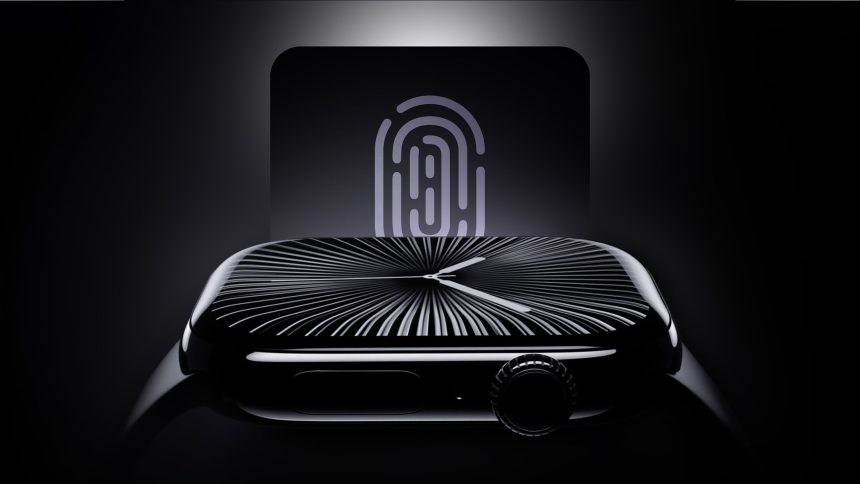
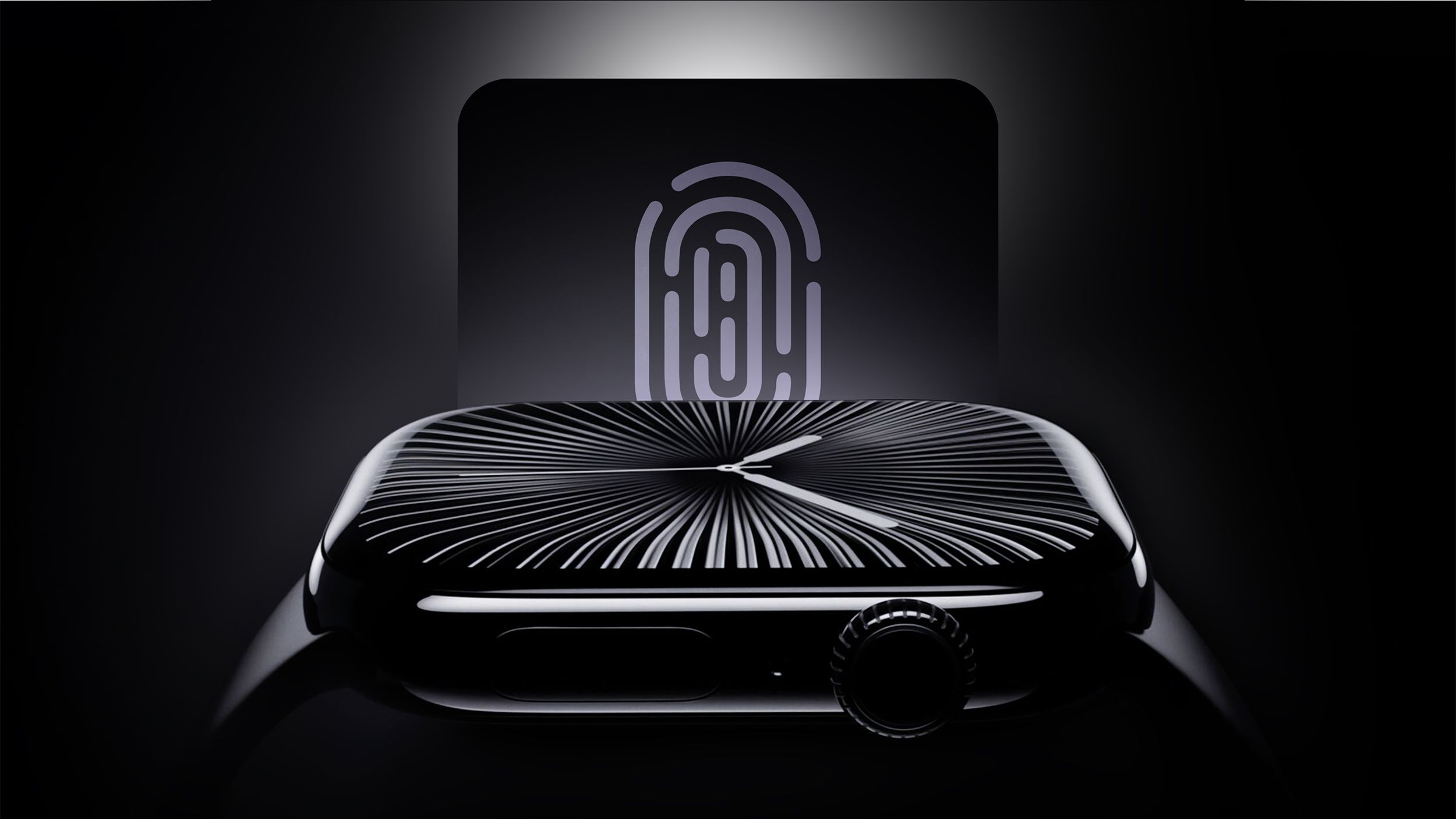
Apple Watch users hoping for built-in fingerprint security may need to wait much longer. A new report suggests Apple has no immediate plans to add Touch ID to its smartwatch, largely because of major engineering challenges tied to the device’s compact design.
Unlike iPhones, iPads, and Macs, the Apple Watch still relies on a PIN system for direct access. Users can also unlock the wearable automatically through a paired iPhone. While many expected Apple to eventually add biometric authentication, current signs point in the opposite direction.
Tiny Hardware Leaves Little Room
The biggest obstacle appears to be physical space. Modern smartwatches pack processors, sensors, batteries, radios, and health tracking systems into an extremely compact shell. Adding a fingerprint sensor could force Apple to reduce battery capacity or remove other important hardware.
Battery life remains a major priority for wearable devices. Therefore, Apple may prefer preserving internal space rather than adding a feature that could compromise daily performance.
Reports linked to leaker Instant Digital also suggest Apple currently favors existing unlock methods instead of redesigning the product around fingerprint scanning.
Rumors Had Raised Expectations
Speculation around biometric upgrades intensified after references in earlier software testing hinted at Touch ID experimentation. That sparked hope that Apple was actively developing a solution.
However, prototype testing does not always lead to final products. Tech companies frequently test ideas internally before deciding they are not practical for commercial release.
This latest report suggests Apple’s smartwatch team may have reached that conclusion, at least for now.
Alternative Biometrics Remain Possible
Even if Touch ID does not arrive, Apple has explored other identification technologies. Previous patents show concepts involving vein mapping and gesture recognition. These ideas could someday support authentication without requiring traditional fingerprint hardware.
Although those concepts remain speculative, they highlight Apple’s ongoing interest in wearable security innovation.
Focus Stays on Health and Efficiency
Apple’s smartwatch strategy appears centered on health sensors, battery optimization, and everyday usability. Those priorities likely outweigh adding another security layer at this stage.
For now, Apple Watch owners will continue relying on PIN entry and iPhone-linked authentication. While biometric dreams remain alive, practical engineering appears to be keeping Touch ID off Apple’s wrist—at least for the foreseeable future.