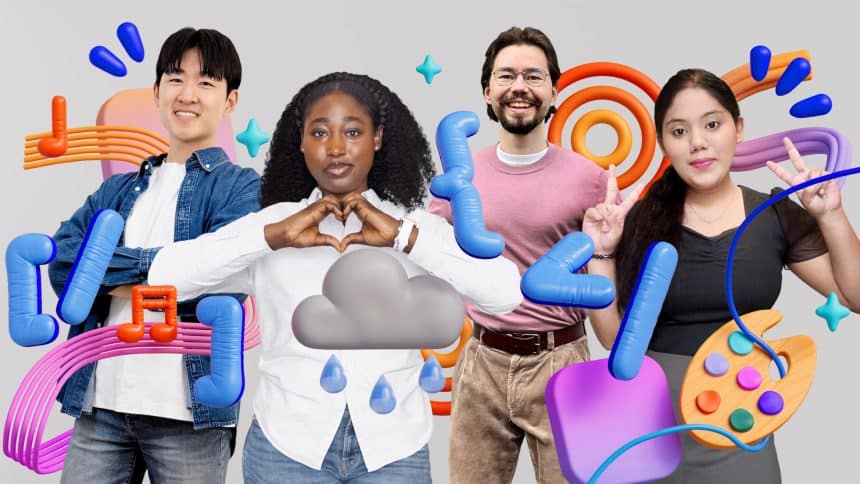
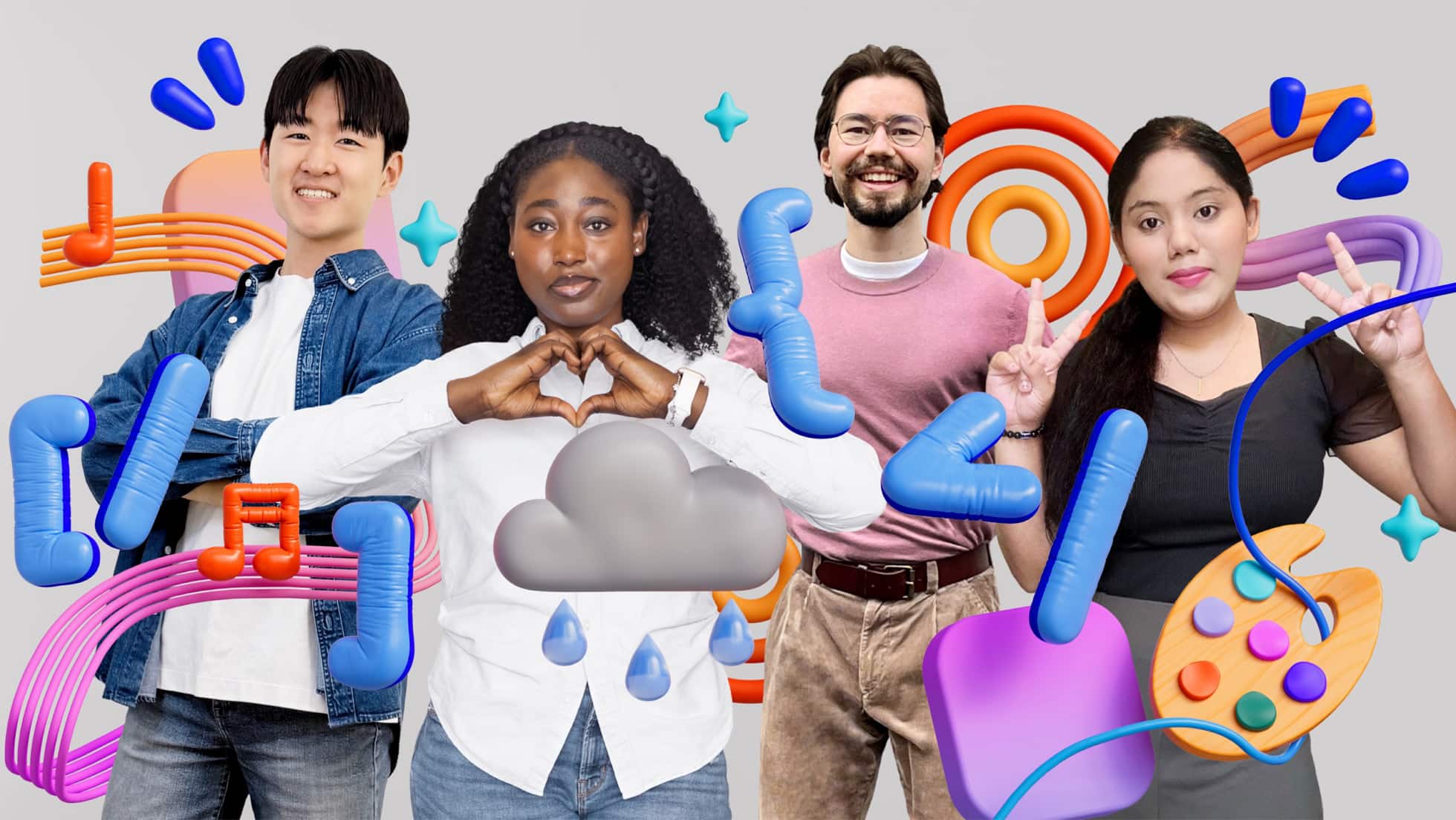
Apple has announced the winners of its 2026 Swift Student Challenge, highlighting a new generation of developers using artificial intelligence to solve meaningful real-world problems. This year, 350 winners from 37 countries and regions earned recognition, while 50 distinguished winners received invitations to attend Apple’s Worldwide Developers Conference in June.
Rather than focusing only on technical achievement, many winning apps tackled personal and social challenges. As a result, the competition showcased how young creators are blending coding with practical problem-solving.
AI Helps Build More Accessible Tools
One standout project, Steady Hands, came from 20-year-old Gayatri Goundadkar. She created the app to help her grandmother continue making digital art despite suffering from hand tremors.
Using Apple Pencil tracking and motion analysis, the app identifies shaky movements and adjusts input to improve drawing control. Additionally, Goundadkar used AI tools to help shape the technical solution.
This project demonstrates how personal experiences can inspire useful innovation.
Tackling Fear, Floods, and Learning Barriers
Another winner, Anton Baranov, built Pitch Coach to help users overcome public speaking anxiety. The app analyzes speech patterns, identifies filler words, and generates feedback for stronger presentations. Therefore, it could help students, professionals, and performers alike.
Meanwhile, Karen-Happuch Peprah Henneh developed Asuo, an app designed for people living in flood-prone communities. It calculates rainfall intensity, analyzes historical flood data, and suggests safer escape routes in real time. VoiceOver support also makes the app more accessible for visually impaired users.
These projects show how technology can directly improve safety and confidence.
Music Learning Without the Instrument
Yoonjae Joung created LeViola after facing a practical challenge during an exchange program. Since he could not bring his viola with him, he built an app that helps users learn the instrument digitally.
The app tracks hand movements and arm positioning to identify notes and strings using Apple’s machine learning tools. Consequently, music education becomes more portable and accessible.
A Glimpse Into Apple’s Developer Future
Apple’s student challenge continues to reveal how young developers think differently. These apps are not just experiments—they address genuine human needs.
As artificial intelligence becomes easier to use, student creators are finding smarter ways to turn ideas into practical tools. Apple’s latest winners suggest the future of app development may be more personal, accessible, and purpose-driven than ever before.