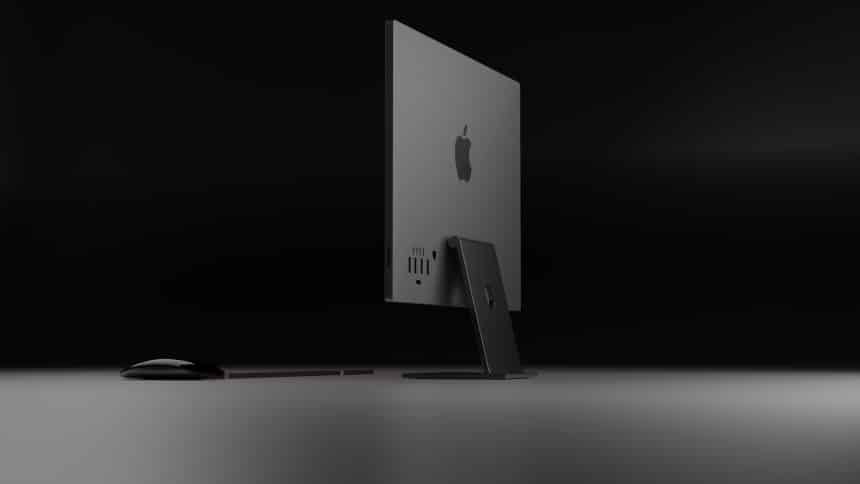
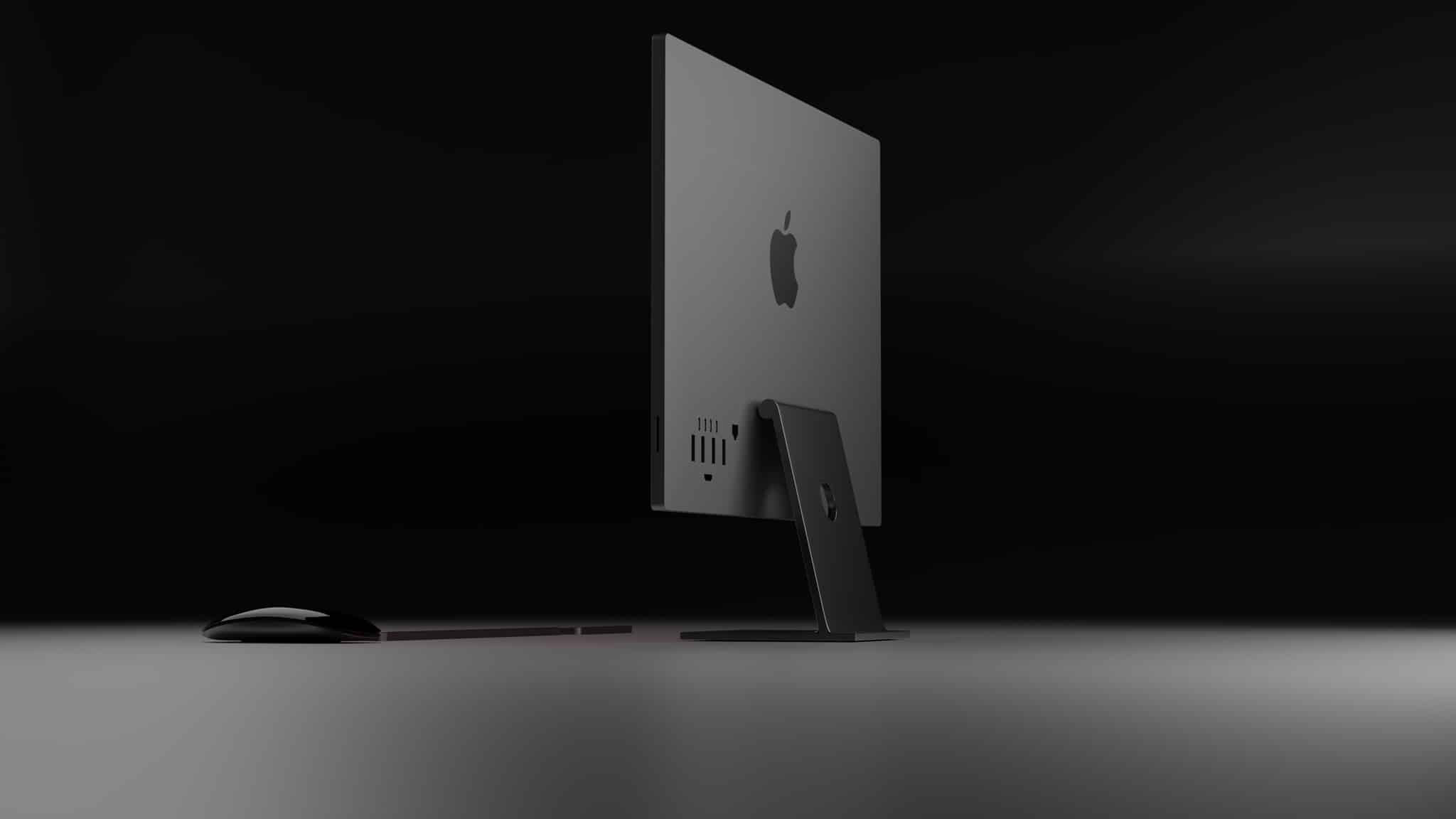
Apple could finally bring OLED display technology to the iMac, but buyers may need to wait several more years. A new industry report suggests the first OLED-equipped 24-inch iMac may not launch until 2029.
The report says LG Display is developing advanced 5-stack OLED panels for future products. These displays promise higher brightness, better image quality, and a longer lifespan than current OLED technology. As a result, Apple appears interested in using the new panels for its desktop lineup.
Why Apple Wants 5-Stack OLED
Apple has steadily expanded OLED technology across its product range. Earlier versions, including 2-stack OLED panels, improved durability and image quality compared to traditional single-layer OLED displays. However, desktop computers face different challenges because users often leave them on for long periods.
A 5-stack OLED panel addresses these concerns by adding extra OLED layers, including three blue-emitting layers. This design increases brightness while helping reduce the risk of permanent image retention, commonly known as burn-in. Consequently, it could make OLED displays better suited for desktop use.
Manufacturing Remains the Biggest Challenge
Although the technology already exists, producing large OLED panels remains expensive and technically demanding. Manufacturers must deliver consistent image quality while producing enough displays for commercial products. Therefore, Apple may continue refining its plans until production becomes more practical.
The report also notes that Apple has discussed OLED panel requirements with both LG Display and Samsung Display. The company reportedly aims to maintain the sharp image quality expected from a 24-inch iMac display.
A Long Wait for Desktop Buyers
Even if development continues as expected, the OLED iMac remains several years away. Industry expectations now point to a 2029 launch, which is slightly earlier than previous forecasts that suggested 2030.
For now, Apple’s current iMac already offers a high-quality display. Still, an OLED model could deliver richer colors, stronger brightness, and improved longevity. If the technology reaches Apple’s standards, the future iMac may become one of the company’s most significant desktop display upgrades in years.