Apple plans to expand Siri’s artificial intelligence capabilities, but the company is taking a cautious approach to autonomous AI tools.
During Apple’s latest earnings call, executive John Ternus confirmed the company’s interest in agentic AI.
These advanced systems can perform tasks on behalf of users, including sending messages and interacting with applications.
However, Apple wants customers to understand what information they share before granting AI tools greater control.
Consequently, the company is prioritizing privacy and security rather than rushing to introduce autonomous features.
Privacy Concerns Shape Apple’s AI Strategy
Agentic AI represents a significant development beyond traditional voice assistants.
Unlike standard chatbots, AI agents can independently complete tasks using information and permissions from connected services.
However, these capabilities also introduce potential privacy risks.
For example, an AI assistant might require access to personal messages, files, or other sensitive information.
Therefore, Apple wants users to understand the permissions they grant and the possible consequences.
Ternus emphasized that the company sees strong potential in agentic technology.
Nevertheless, Apple intends to protect user information before making these capabilities widely available.
Siri AI Takes a Different Approach From Chatbots
Apple also wants Siri to serve a different purpose from conventional AI chatbots.
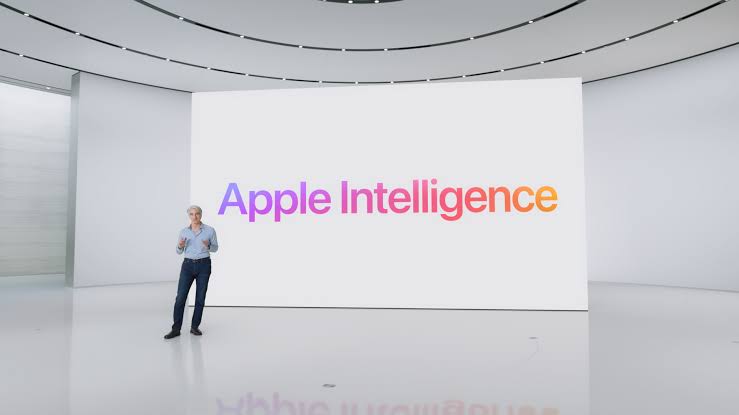
During June 2026, software executive Craig Federighi explained that many chatbots encourage extended conversations and emotional engagement.
In contrast, Apple designed Siri to focus on practical assistance rather than developing personal relationships.
Additionally, the updated Siri can remember conversational context and respond to more complex requests.
However, Apple does not consider these improvements enough to classify Siri as a traditional chatbot.
Instead, the company wants users to focus on completing everyday tasks efficiently.
Apple’s New Architecture Supports Future Upgrades
Ternus also discussed the technical foundation supporting Siri’s ongoing development.
According to the executive, Siri now uses a modern architecture that allows Apple to expand its capabilities over time.
Currently, the assistant primarily responds to direct user requests.
However, the updated system could eventually support more advanced actions across applications.
Furthermore, Apple believes its devices provide a strong foundation for delivering secure AI experiences.
The company has not announced a release date for autonomous Siri features.
What Comes Next for Siri AI?
Apple’s strategy highlights the growing importance of privacy as AI assistants become more capable.
Meanwhile, competing technology companies continue developing tools that can perform increasingly complex tasks.
Nevertheless, Apple appears determined to balance innovation with user control.
Ultimately, Siri’s future may include autonomous AI capabilities, but Apple wants stronger safeguards before introducing them.