Apple could use artificial intelligence to solve one of the biggest design compromises in its foldable iPhone Duo. A new report suggests future generations may combine Apple Intelligence with smaller Face ID components.
The current iPhone Duo relies on Touch ID rather than Apple’s facial recognition system. According to the report, the device’s slim chassis leaves too little room for the usual Face ID hardware.
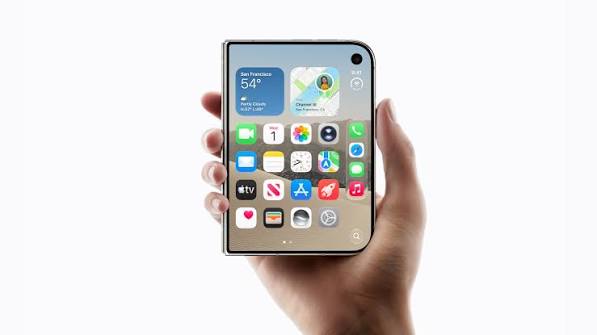
However, Apple may eventually find another way to bring facial authentication to the foldable lineup.
Apple Intelligence Could Reduce Hardware Needs
Apple reportedly wants to add Face ID to future iPhone Duo models. More importantly, artificial intelligence could play a role in making that possible.
Apple Intelligence already has potential applications across computational photography and image processing. Therefore, future software could handle more of the complex work behind facial recognition.
In theory, Apple could then use a less complex depth-sensing camera system. AI would take on a greater share of the image-processing workload. As a result, Apple might be able to reduce the physical size of Face ID components.
Still, the report presents this idea as a prediction rather than a confirmed Apple development plan.
Face ID May Have to Wait Until Third Generation
Users hoping for a quick change may need patience. The report predicts that this approach will not arrive until the third-generation iPhone Duo.
That model could also gain a telephoto camera, giving Apple another opportunity to close the feature gap between its foldable device and more traditional premium iPhones.
However, a third-generation Duo remains far enough away that specifications could change substantially before launch.
Apple’s Integrated Ecosystem Could Help
The concept highlights an advantage Apple has when developing new hardware. The company controls both the operating system and the devices that run it.
Consequently, Apple could design AI software specifically around smaller or simpler sensors. That approach may allow software intelligence to compensate for some physical hardware limits.
For now, Touch ID remains the practical solution for the iPhone Duo’s thin design. Yet if Apple Intelligence can reduce the hardware required for secure facial recognition, Face ID could eventually return without forcing Apple to sacrifice the foldable phone’s slim profile.