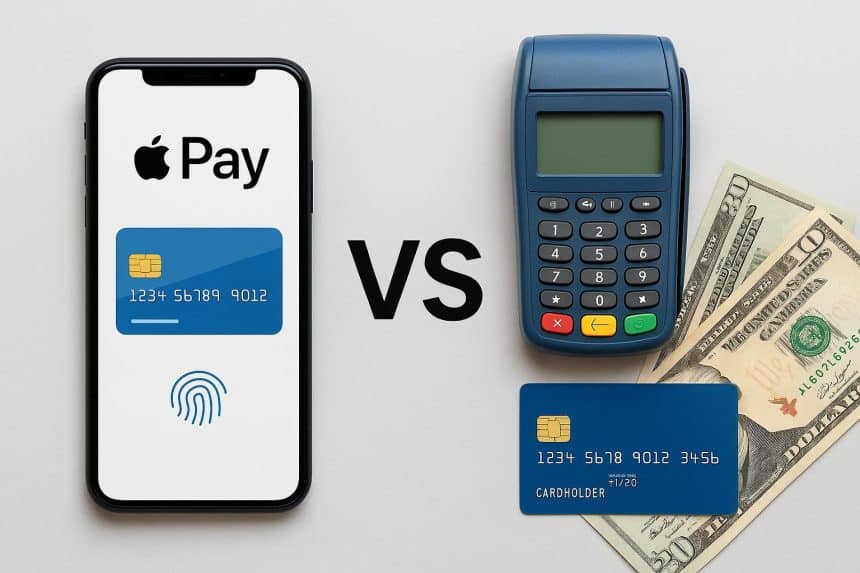
Not long ago, paying for something meant pulling out your wallet, handing over cash or a card, and waiting for a receipt. Today, you might tap your phone, glance at a screen, or double-click a button on your watch, and the transaction is done in seconds. Apple Pay has reshaped what the checkout experience looks like, but understanding exactly how it differs from traditional payment methods helps you make smarter choices about how you spend and protect your money.
The Ecosystem Behind Every Transaction
When you swipe a credit card at a register, a surprisingly complex chain of communication happens behind the scenes. Your card data travels from the merchant’s terminal to an acquiring bank, through a card network like Visa or Mastercard, and on to your issuing bank for approval. This process works, but it exposes your actual card number at multiple points along the way. Merchants operating in specialized financial niches, such as those using a debt collection merchant account,are especially attuned to the risks embedded in this traditional data flow, since their industries already face heightened scrutiny around payment security.
Security: Tokenization vs. Magnetic Stripes
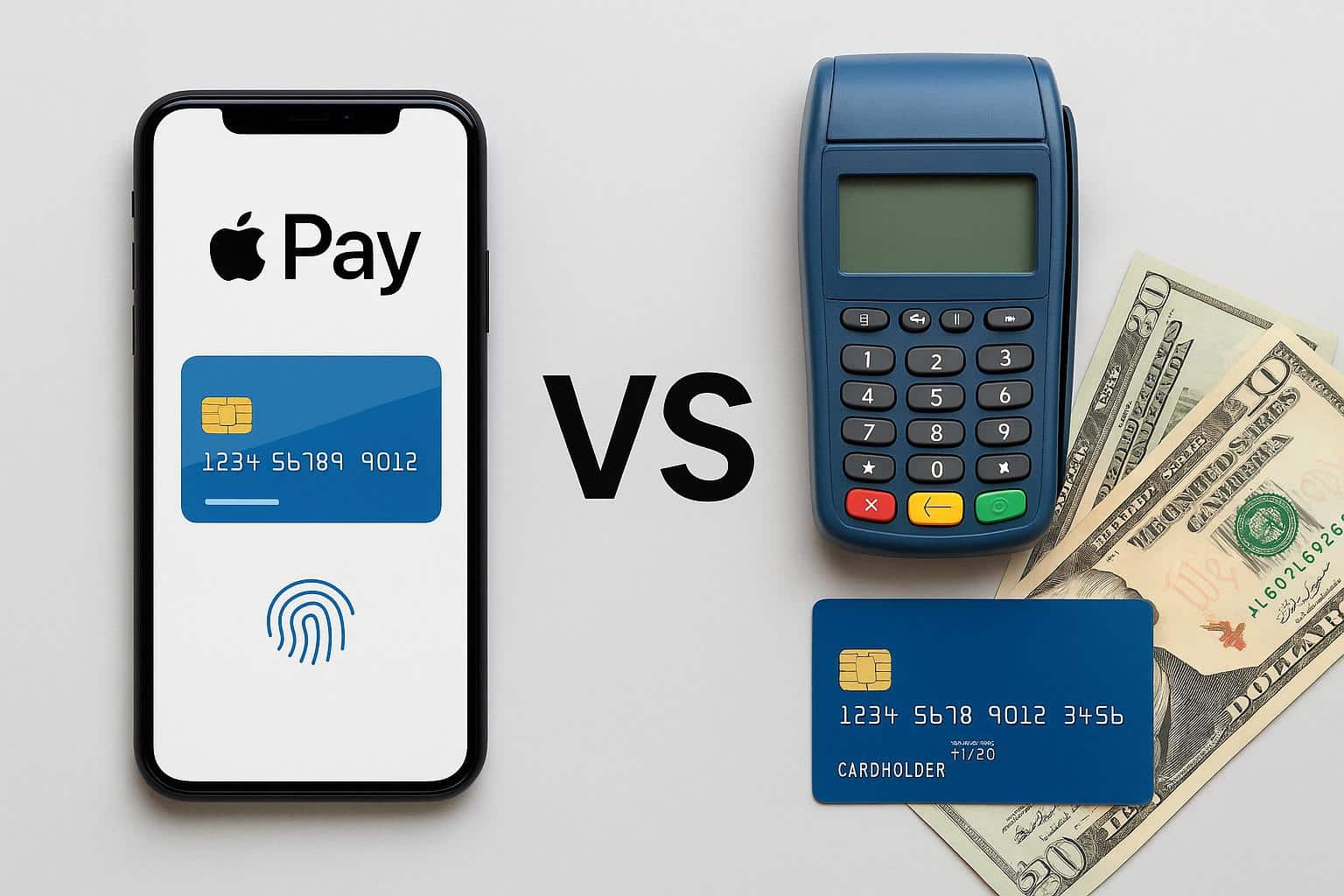
One of the most significant differences between Apple Pay and traditional cards is how your payment information is transmitted. When you pay with Apple Pay, your actual card number is never shared with the merchant. Instead, the system uses a process called tokenization; your card details are replaced with a unique, randomly generated code that’s valid only for that specific transaction. Traditional magnetic stripe cards, by contrast, transmit your real account number every time you swipe. Chip cards improved on this considerably, but Apple Pay takes security a step further by also requiring biometric authentication — Face ID or Touch ID — before any payment goes through. According to the Federal Trade Commission, consumers should always look for payment methods that minimize the exposure of their personal financial data, a standard Apple Pay is designed to meet.
Speed and Convenience at the Register
If you’ve ever fumbled for your wallet in a long checkout line, you already understand the practical appeal of Apple Pay. A quick double-press of the side button, a glance, or a fingerprint, and you’re done, often faster than inserting a chip card and waiting for it to
process. Traditional payment methods require you to physically carry your card, remember your PIN, and, in the case of cash, make change. Apple Pay also works within apps and on websites through Safari, so you don’t need to manually enter your card number for online purchases either. This frictionless experience is increasingly what consumers expect, and retailers who don’t support it risk losing sales to competitors who do.
Acceptance and Limitations
Despite its advantages, Apple Pay isn’t universally accepted. While adoption has grown substantially, you’ll still encounter small businesses, older terminals, or certain international vendors that don’t support contactless payments at all. Traditional cards, especially Visa and Mastercard, remain the most universally accepted form of non-cash payment in the world. If you travel frequently or shop at smaller local establishments, carrying a physical card as a backup is still a practical necessity. The Consumer Financial Protection Bureau notes that understanding the terms and protections attached to your underlying credit or debit card remains important regardless of which payment interface you use, since Apple Pay is ultimately linked to an existing account.
What This Means for You
Choosing between Apple Pay and a traditional card isn’t necessarily an either/or decision; most people use both depending on context. However, if security, speed, and convenience are your priorities, Apple Pay offers meaningful advantages over swiping or inserting a physical card. The key is knowing when each method suits the moment, and staying informed about the protections available to you, no matter how you choose to pay. pay.