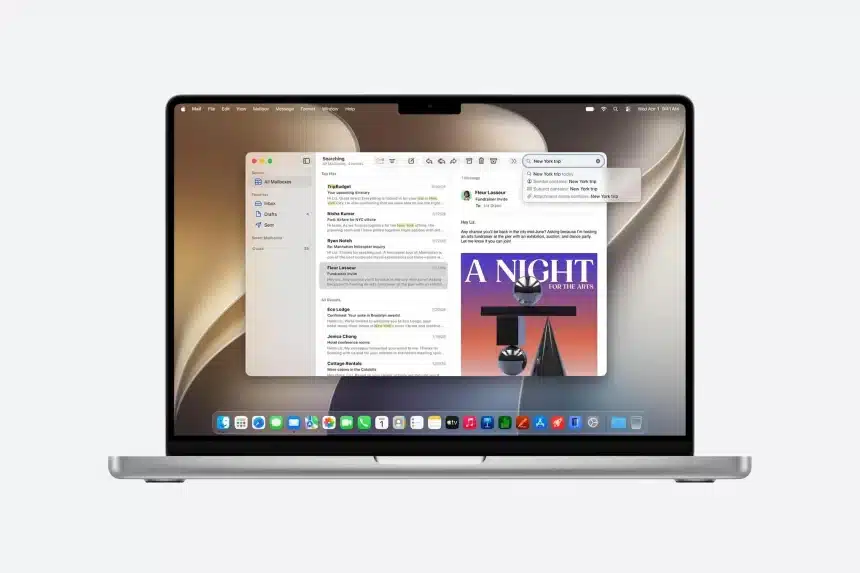
Apple has revealed macOS Golden Gate, the next version of its desktop operating system, during WWDC 2026. While the update does not dramatically change the Mac experience, it introduces several meaningful improvements that focus on intelligence, productivity, and platform integration.
The release continues Apple’s effort to create a more unified ecosystem. As a result, Mac users will gain access to features that closely align with those found on iPhone and iPad.
Siri Takes a Major Step Forward
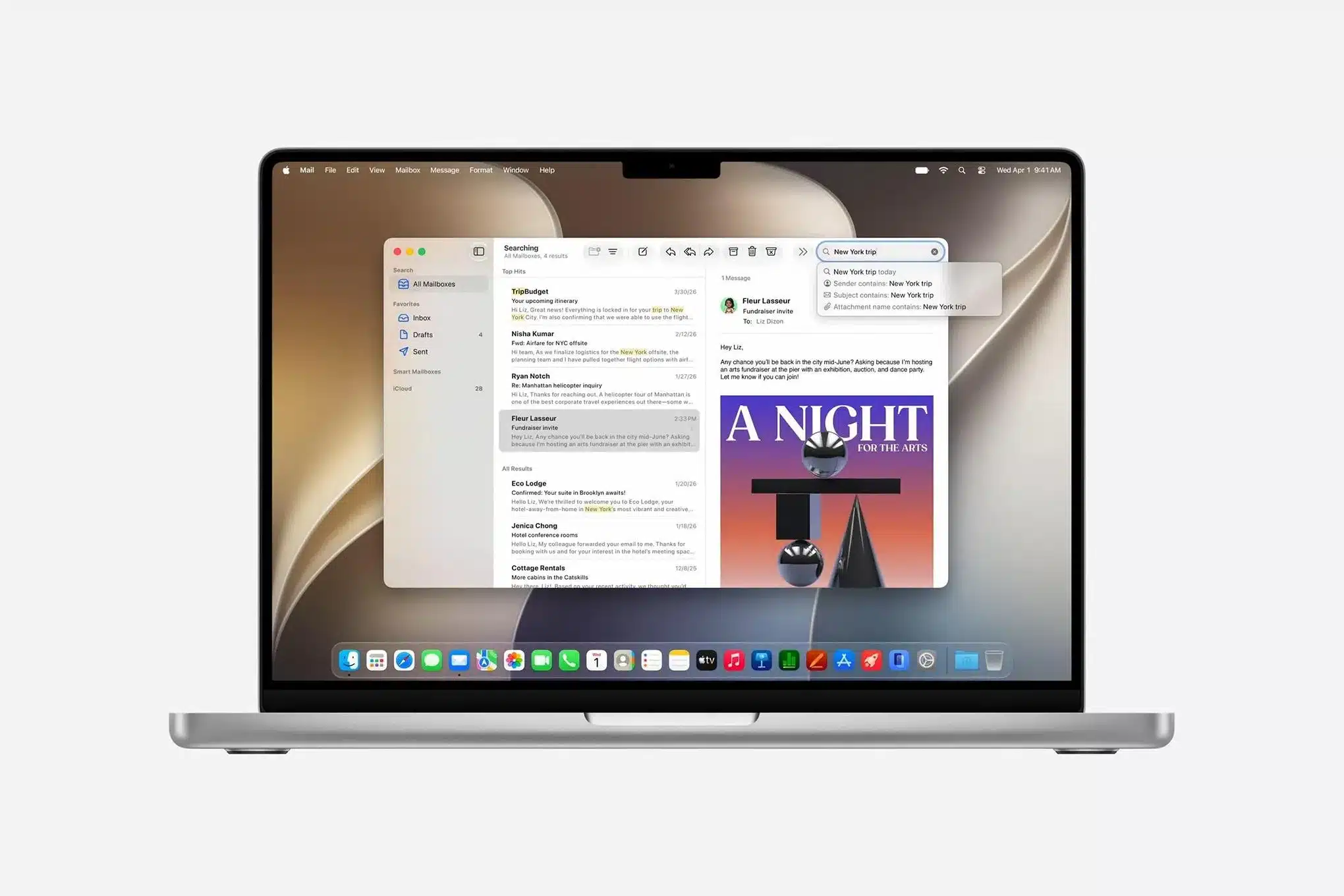
One of the most notable additions is Apple’s upgraded Siri experience. Instead of relying on the traditional “Type to Siri” feature, users can now enter requests directly through Spotlight. The system recognizes AI-related prompts and routes them to a more advanced Siri assistant.
Furthermore, Siri can now handle conversational interactions. Users can ask follow-up questions naturally without restarting the conversation. The assistant can also access personal information with privacy protections in place and retrieve information from online sources when needed. Additionally, conversations can continue across Mac, iPhone, and iPad devices.
Liquid Glass Design Continues to Evolve
Golden Gate builds on Apple’s Liquid Glass design language introduced in 2025. Rather than replacing the visual style, Apple has refined it and addressed some user concerns. The update also introduces quality-of-life improvements throughout the operating system.
Safari receives several upgrades as well. Users can automatically organize related tabs into groups and receive notifications when selected websites publish new content. These additions aim to simplify browsing and improve workflow efficiency.
End of the Road for Intel Macs
Perhaps the most significant change involves hardware compatibility. For the first time, a new macOS version will no longer support Intel-powered Macs. Apple began transitioning to its own Apple Silicon processors six years ago, and Golden Gate officially completes that shift.
Although the decision may disappoint some users, it allows Apple to focus future development on modern hardware and advanced AI capabilities.
Users Advised to Wait for the Final Release
Apple has already released a developer beta version. However, experts caution against installing it on primary work devices. Early software versions often contain bugs, compatibility issues, and reduced battery performance. Therefore, most users may benefit from waiting for the public release expected later this year.
With smarter AI tools, deeper ecosystem integration, and a full commitment to Apple Silicon, macOS Golden Gate marks another important step in Apple’s long-term vision for the Mac.