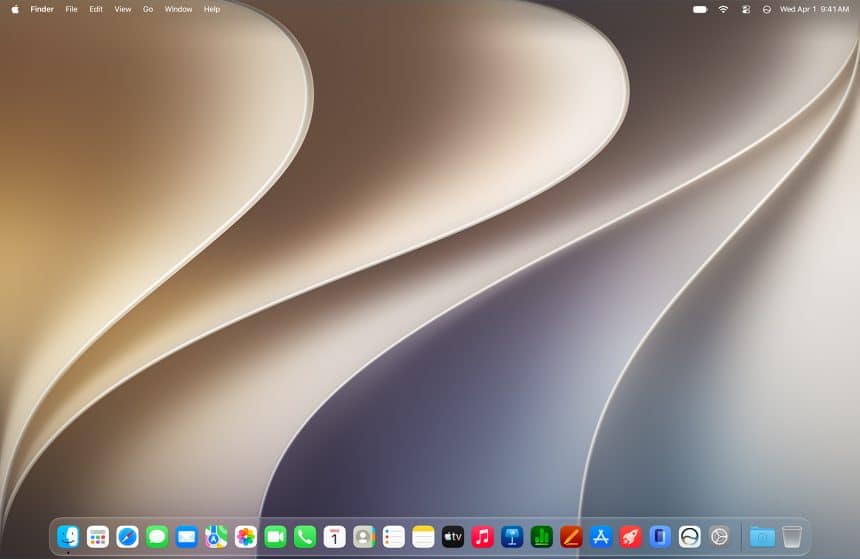
Apple has officially drawn a line under the Intel Mac era with the introduction of macOS Golden Gate. Announced during WWDC 2026, the latest operating system supports only Macs powered by Apple Silicon chips, leaving Intel-based systems off the compatibility list for the first time.
The move represents a significant milestone in Apple’s long-term hardware strategy. While the company began replacing Intel processors with its own chips several years ago, macOS Golden Gate now fully embraces the Apple Silicon ecosystem.
Apple Silicon Takes Center Stage
According to Apple’s compatibility guidance, every currently supported Apple Silicon Mac can run macOS Golden Gate. This includes recent MacBook Air, MacBook Pro, iMac, Mac mini, Mac Studio, and Mac Pro models equipped with Apple-designed processors.
Meanwhile, Intel-powered Macs will no longer receive the newest version of macOS. Although many of those devices remain functional, Apple has shifted its focus toward hardware that can fully utilize the performance and efficiency advantages of its custom chips.
A Strategy Years in the Making
Apple completed its processor transition in 2023, replacing Intel chips across its Mac lineup. Since then, the company has steadily optimized software around Apple Silicon’s capabilities, particularly in areas such as machine learning, battery efficiency, and performance.
As a result, developers can build features that take advantage of specialized hardware without worrying about supporting two very different processor architectures. Consequently, Apple can streamline future software development while improving consistency across devices.
New Features May Require Newer Chips
Although macOS Golden Gate supports a broad range of Apple Silicon models, not every feature will be available on every device. Apple continues to reserve some advanced artificial intelligence and machine learning capabilities for newer hardware with greater processing power.
Users can quickly verify their compatibility by opening “About This Mac” from the Apple menu and checking the processor information.
With developer testing already underway and a public release planned for later this year, macOS Golden Gate signals the beginning of a new chapter for the Mac. More importantly, it confirms Apple’s commitment to a future built entirely around its own silicon technology.