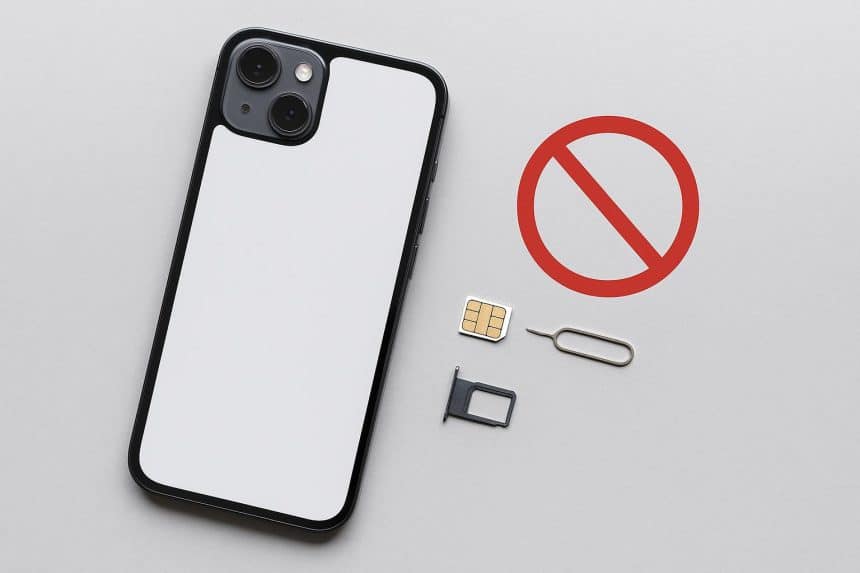
Today, when you’re picking up a new iPhone in the United States, you’ll find that there’s no SIM tray to pop open. The slot is gone. Apple has been luring customers towards the eSIM-only side of things for several years now, and the newest iPhone models prove that. So what does this actually mean for you?
What is an eSIM?
An eSIM is short for embedded SIM. It’s a little chip you mount inside your phone, and it performs the same functions as the plastic SIM card that you’ve had to insert into a tray. No more buying physical cards from your carrier. You simply download a profile to the card in the form of a QR code or via an app. The chip can carry more than one profile, which means that one phone can have several plans from different carriers and from different countries.
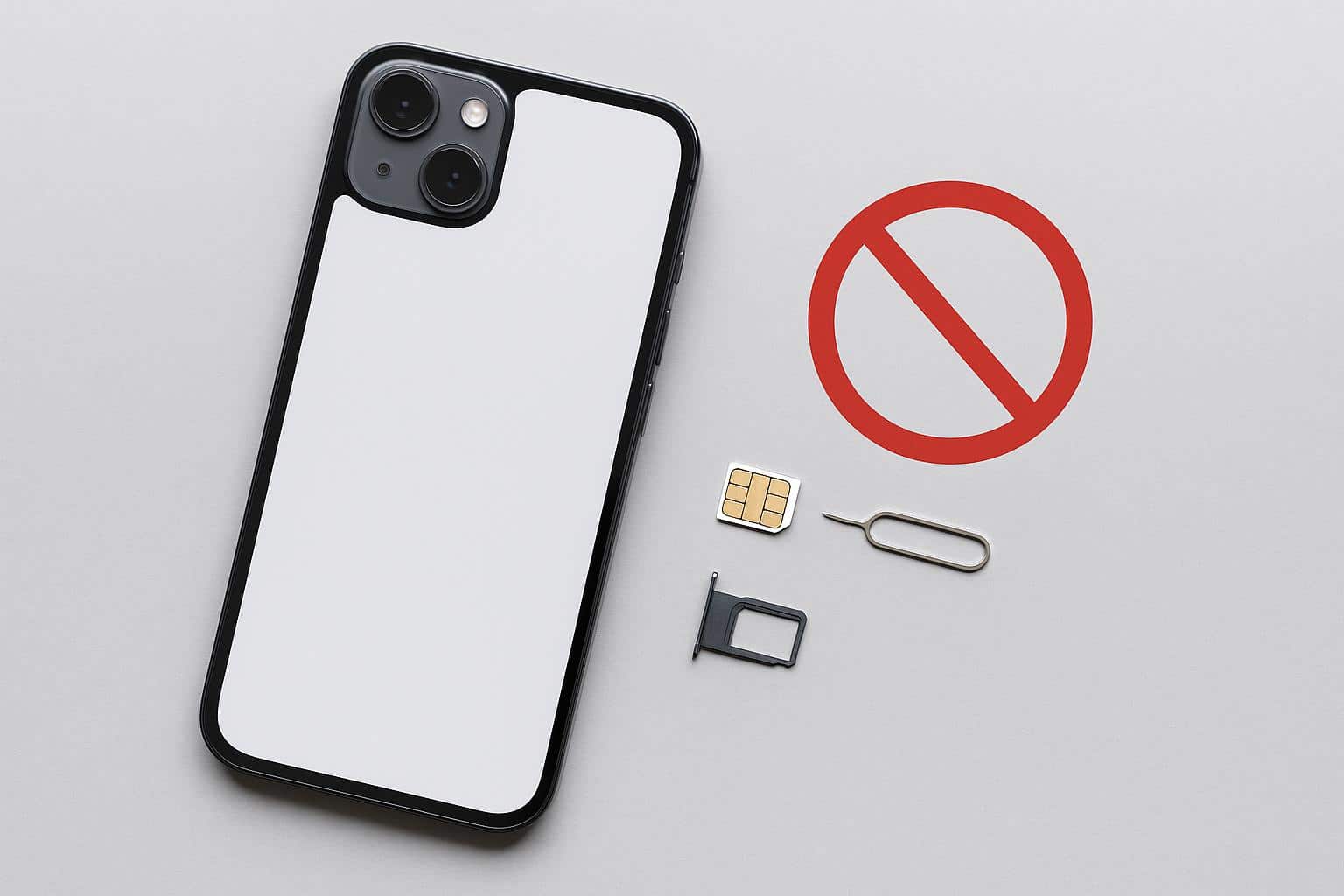
Which iPhones Skipped the Tray
It all started with the launch of the iPhone 14 in the US back in 2022. All U.S. iPhone purchases since then have been eSIM-only. In September 2025, Apple rolled out the same adjustment to 12 markets, including Canada, Japan, Mexico, the UAE, and Saudi Arabia, with the introduction of the iPhone 17. Apple’s ultra-thin iPhone Air took it to the extreme and launched exclusively in eSIM-only regions globally, marking its first iPhone to drop the tray in all markets.
Apple’s motives are partly security (because an eSIM can’t be removed by a thief), partly battery (because the space of the tray frees up room in the device for a larger battery), and partly logistics. Before the launch, Apple trained the shop personnel at Apple Authorized Resellers across Europe to use eSIM in preparation for the wider deployment.
How an eSIM Works
If your iPhone is eSIM-only, you can activate it with a few simple steps. Your carrier emails you a QR code or activation link. You scan it through the iPhone’s setup screen, the profile downloads, and you are on the network within a few minutes.
You can store at least eight eSIM profiles on each iPhone, two of which are active at any given time. This allows you to maintain a home line and travel line on the same device, or you can easily switch from a work phone to a travel phone without replacing devices. If you lose your phone, the line cannot be physically removed and resold like a plastic SIM, which closes off a common attack used against stolen handsets.
Why Travelers Lean on an eSIM App
For travelers around the world, an eSIM app makes life simpler. Many travel-specific providers offer data-only packages for certain countries or regions, all installed via an app before you leave the house. You can call and text as you do at home with WhatsApp, iMessage, FaceTime, and Signal, all operating over data.
One of the reasons eSIM-only phones are gaining traction around the world is due to travel eSIMs. Apple’s iPhone Air launch even hit a brief delay in China over regulatory approval for eSIM support before the three state carriers agreed to provide it. That tells you how central the format has become for any phone built to cross borders.
The Tray You Won’t Miss
The SIM tray is leaving iPhones for good, and most users won’t miss it. Pick up a new iPhone, download an eSIM app, and you’ll have internet access as soon as your plane arrives. No store visits, no trays, no plastic, and no $12-a-day roam charges on the front of your phone bill when you arrive home.