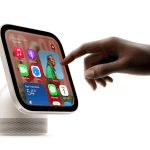
The iPhone has become much more than a communication device. For many users, it is now a wallet, bank branch, spending tracker, savings assistant, and investment dashboard all in one. What once required separate appointments, paper statements, spreadsheets, and desktop software can now be managed from a single app or notification.
This shift has helped fintech become one of the most important categories in the iOS ecosystem. From simple budgeting tools to advanced investment platforms, finance apps have changed how people interact with money. They have made financial information more immediate, more visual, and more accessible to everyday users.

From Budget Trackers to Financial Dashboards
Early personal finance apps were often basic. They helped users record expenses, organize spending into categories, and see where money was going. While useful, many of them still required manual effort. Users had to enter transactions, update budgets, and review numbers regularly.
Modern fintech apps on iOS have taken that idea much further. Today, many apps connect directly to bank accounts, credit cards, loans, and investment accounts. Instead of manually tracking every purchase, users can automatically see their spending patterns. Apps can identify recurring subscriptions, flag unusual purchases, send bill reminders, and show progress toward savings goals.
This has turned budgeting from a chore into a more passive form of financial awareness. Users no longer need to build a complicated spreadsheet to understand their money. Their iPhone can deliver real-time insights, often through simple visuals and push notifications.
Mobile Banking Built User Trust
The growth of fintech on iOS would not have happened without the rise of mobile banking. Bank apps helped users become comfortable managing sensitive financial tasks from their phones. Checking balances, transferring money, depositing checks, locking cards, and receiving fraud alerts all became normal parts of mobile life.
Security features also played a major role. Face ID, Touch ID, two-factor authentication, and instant notifications gave users more confidence in mobile finance. Instead of waiting for a monthly statement, people could see activity as it happened.
That convenience changed expectations. Once users became comfortable banking on their iPhones, they were more open to using apps for budgeting, saving, payments, investing, and financial planning.
Apple Pay and the Digital Wallet Habit
Apple Pay also helped push fintech into everyday routines. Contactless payments made the iPhone feel like a practical replacement for a physical wallet. Users could pay in stores, check out online, access transit systems, and store cards digitally.
This convenience changed the way people thought about money management. Payments became faster and more integrated into daily life. For fintech apps, this created a new standard: users expected financial tools to be simple, quick, secure, and available when they needed them.
Digital wallets also encouraged people to think beyond traditional banking. The iPhone was no longer just a place to view financial information. It became a place where financial activity happened.
Saving Became More Automatic
One of the biggest benefits of fintech on iOS is how it has made saving feel easier. Traditional savings often required discipline, planning, and regular manual transfers. Many fintech apps now automate that process.
Some apps round up purchases and move spare change into savings. Others schedule recurring transfers, create separate goal-based savings buckets, or analyze income patterns to suggest safe amounts to set aside. These small features help users build savings without constantly having to think about it.
iOS notifications and widgets can also keep goals visible. A user saving for travel, emergency expenses, or a major purchase can see progress without opening a bank statement or logging into multiple accounts. That visibility can make saving feel more motivating and less abstract.
Investment Platforms Enter the iPhone Era
Fintech’s evolution on iOS has not stopped at budgeting and banking. Investment platforms have become a major part of the mobile finance landscape. Apps now offer features that were once associated with desktop brokerages, including watchlists, market news, educational resources, portfolio tracking, and fractional investing.
As investing tools became more accessible on iOS, many users began exploring market participation directly from their phones. Modern apps can support everything from portfolio tracking to share trading, enabling users to monitor investments, research companies, and make financial decisions through a familiar mobile interface. This convenience has made investing feel less intimidating, but it also highlights the importance of research, risk awareness, and long-term planning.
The rise of mobile investing has opened the door for more people to learn about financial markets. At the same time, it has made responsible design and user education more important. When investing is just a few taps away, apps need to encourage informed decisions rather than impulsive behavior.
Real-Time Alerts Changed Financial Awareness
One of the strengths of iOS fintech is immediacy. Push notifications, widgets, and real-time alerts help users stay informed without constantly checking apps.
A banking app can alert someone to a suspicious transaction. A budgeting app can warn when spending approaches a category limit. A bill management app can send a reminder before a due date. An investment app can notify users about major market movements or portfolio changes.
These features make financial management more responsive. Instead of discovering problems days or weeks later, users can act quickly. This is especially valuable for people managing tight budgets, multiple accounts, or fast-changing financial priorities.
Security and Privacy Matter More Than Ever
As fintech apps become more central to daily life, security becomes even more important. iOS offers strong security tools, but users still need to be careful.
Face ID, encrypted data, secure passwords, and two-factor authentication can help protect financial accounts. However, risks still exist. Phishing messages, fake apps, weak passwords, public Wi-Fi, and unnecessary app permissions can all expose users to problems.
The best fintech experience combines convenience with caution. Users should regularly update apps, review permissions, avoid sharing sensitive information, and make sure they are downloading financial tools from trusted sources.
What Comes Next for iOS Fintech
The next phase of fintech on iOS will likely become even more personalized. Artificial intelligence may help users forecast spending, identify waste, recommend adjustments to savings, and explain financial patterns in plain language.
There may also be deeper integration across iPhone, iPad, Apple Watch, and Mac. A user might receive a spending alert on Apple Watch, review a budget on iPad, and organize tax documents on Mac. The more connected these tools become, the more seamless personal finance may feel.
Still, the future of fintech will depend on trust. Users want convenience, but they also want transparency, privacy, and control over their financial data.
Final Thoughts
The rise of fintech on iOS has changed how people budget, bank, save, invest, and plan. What used to feel complicated or time-consuming can now be handled through apps designed for everyday use.