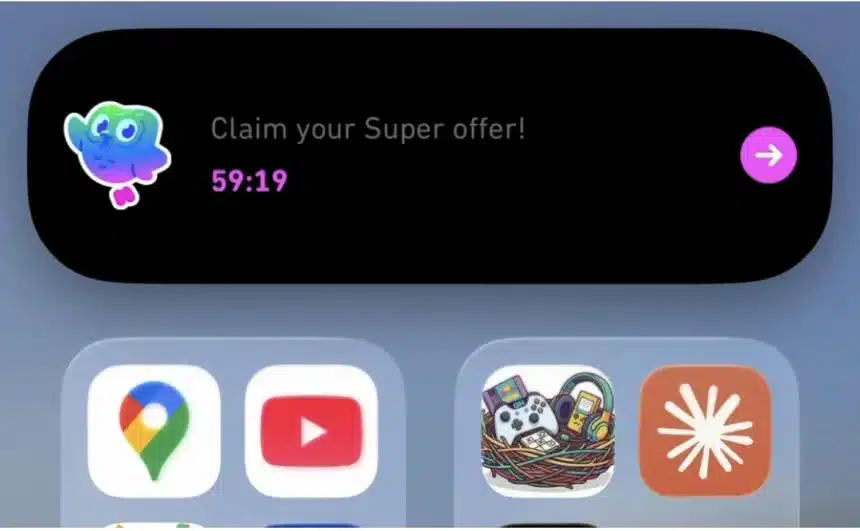
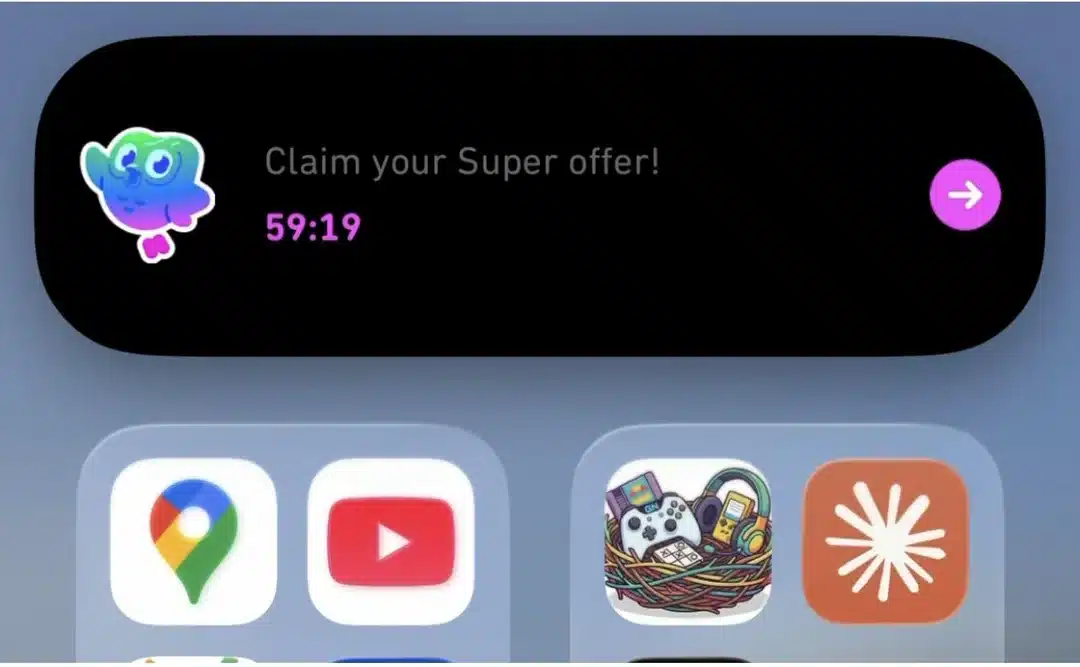
Duolingo has sparked controversy after reports revealed the app displayed ads using the iPhone’s Dynamic Island and Live Activity features. Users on social platforms noticed promotional messages for Duolingo’s paid “Super” subscription appearing on their Lock Screens and within the Dynamic Island interface. These placements surprised many because Apple strictly limits how these features should work.
Live Activities and the Dynamic Island aim to show helpful, real-time updates, such as sports scores or delivery tracking. As a result, users expect information, not advertising. When Duolingo’s promotion appeared, frustration followed quickly.
Why Apple’s Guidelines Matter
Apple’s developer guidelines clearly state that Live Activities must not display ads or promotions. Apple designed the feature to keep users informed about ongoing tasks, not to serve as a marketing channel. According to Apple, any misuse can lead to serious consequences, including removal from the App Store.
Because of this rule, Duolingo’s approach raised red flags. Even though Apple has not publicly commented, the guidelines leave little room for interpretation. Developers must follow them to maintain trust and consistency across the iOS ecosystem.
Duolingo’s Response and User Reaction
Reports suggest Duolingo may have stopped showing the ads after users complained. Observers could no longer replicate the behavior, which hints that the company acted quickly to limit damage. Still, the incident sparked a broader debate about how far apps should go when promoting subscriptions.
Many users voiced concerns online, arguing that ads in system-level areas feel intrusive. Others worried that if one app pushes boundaries, more might follow. As a result, the situation highlights how sensitive users are to changes in core iPhone features.
What This Means for App Developers
This episode sends a clear message to developers. Apple watches closely how system features are used. Even popular apps risk penalties if they stretch the rules. For users, the incident reinforces expectations that Apple will protect the experience they value.
Going forward, developers may take a more cautious approach. Meanwhile, Apple could increase enforcement to prevent similar cases. Ultimately, the balance between promotion and user trust remains critical, and this incident shows how easily that balance can tip.