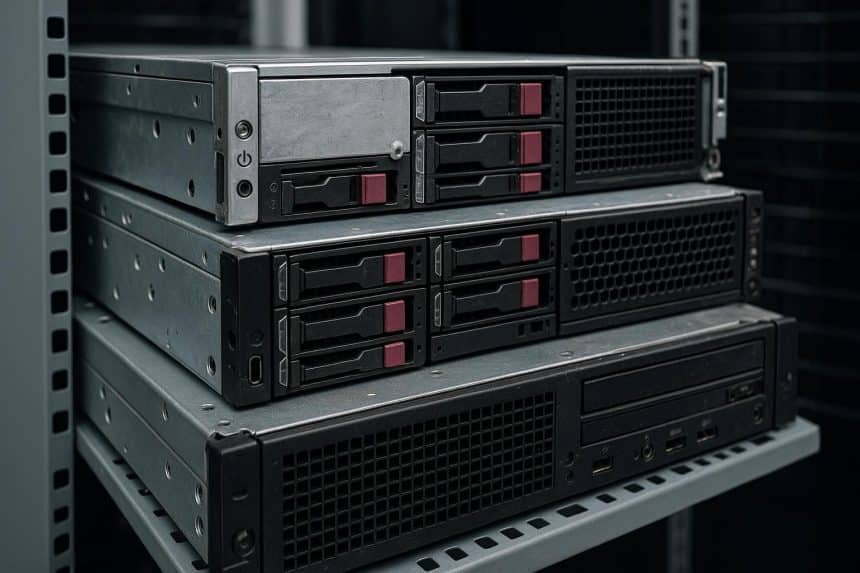
When data centers or enterprises upgrade their infrastructure, older servers often end up occupying valuable space and resources. Disposing of them without proper evaluation can lead to unnecessary losses or compliance issues. Careful planning ensures the transition to newer systems benefits both operational efficiency and financial returns. Assessing the best way to manage these assets is essential before proceeding with resale or recycling.
A clear understanding of the technical, financial, and environmental aspects helps create a smooth and secure process. For businesses aiming to maximize value, exploring the option to sell used servers early in the process can often lead to significant returns and sustainability gains.
Assess Hardware Value Before Disposal
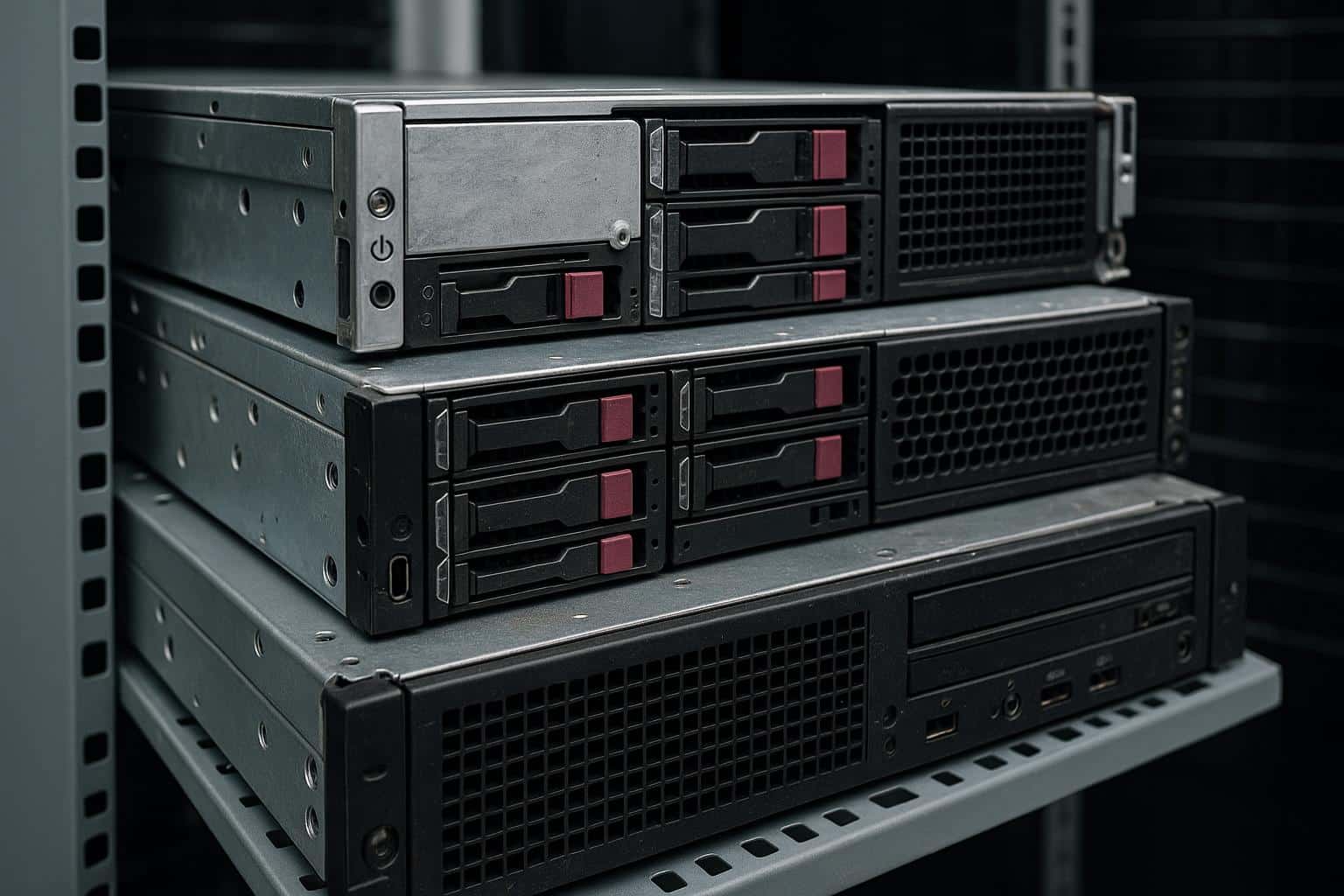
A detailed assessment of server hardware is the first step. Factors such as processor generation, memory configuration, storage capacity, and system condition determine market appeal. Even older systems can retain value in secondary markets if they are functional and have popular configurations.
Professionals often evaluate resale prices based on brand, model, and performance history. Checking similar models on resale platforms provides a benchmark for fair pricing. Removing unnecessary accessories or upgrading minor components can also increase resale potential without significant investment.
Secure Data Removal Is Essential
Data stored on decommissioned servers must be completely erased before resale. Data remnants pose serious risks, including potential data breaches or regulatory violations. Physical destruction is not always necessary; secure data erasure tools can wipe storage devices to meet compliance standards such as NIST or DoD guidelines.
Certified IT asset disposition (ITAD) providers often supply data destruction certificates, ensuring accountability and peace of mind. A secure erasure process preserves trust and protects sensitive information even after the hardware changes hands.
Evaluate Environmental and Compliance Responsibilities
Server disposal carries environmental responsibilities. Many organizations now prefer eco-conscious methods for decommissioning IT hardware. Partnering with certified recyclers or ITAD firms ensures compliance with environmental laws and reduces electronic waste.
Improper disposal can result in penalties or negative publicity. Responsible recycling helps maintain sustainability goals and demonstrates corporate responsibility. Modern recyclers reclaim valuable materials such as copper, aluminum, and precious metals, reducing environmental impact while recovering some residual value.
Logistics and Chain of Custody Matter
Safe transportation of used servers requires proper documentation and tracking. A structured chain of custody ensures every asset remains accounted for from removal to resale.
Key logistics steps include:
- Cataloging each unit with serial numbers
- Labeling and packing securely for shipment
- Using insured transportation
- Tracking through disposal or resale reports
Partnering With Trusted ITAD Providers
Selecting a reputable ITAD company streamlines the offloading process. These specialists evaluate hardware, perform data sanitization, and manage remarketing or recycling. Their experience helps determine which units can be refurbished, resold, or recycled.
Many providers operate buyback programs that offer cash or trade-in credit for decommissioned systems. This option saves internal resources and provides an efficient path to liquidate assets. Companies seeking to sell used servers benefit from working with partners that handle every stage transparently, from evaluation to payment.
Preparing for Future Equipment Cycles
Establishing a structured IT asset lifecycle strategy simplifies future offloading efforts. Keeping clear records of server models, purchase dates, and maintenance history enables faster evaluation when refresh cycles occur.
Consistent documentation ensures accurate decisions when evaluating trade-ins or resale. A forward-looking approach reduces waste and shortens the time between decommissioning and asset recovery.
Offloading used servers requires more than simply clearing out old equipment. It involves safeguarding data, meeting environmental standards, maintaining compliance, and extracting residual value through expert handling. Each stage, from valuation to recycling, plays a part in optimizing both security and profitability. When executed thoughtfully, this process supports sustainability goals and enhances financial performance. A well-planned strategy for server disposition turns decommissioned assets into valuable opportunities for growth and responsibility.