Apple has officially moved the iPhone 5 to its obsolete products list, signaling the end of support for the once-groundbreaking device. As a result, Apple will no longer offer repairs or provide replacement parts through its stores or authorized service providers.
This update, announced on March 16, reflects Apple’s standard product lifecycle policy. While expected, the decision marks a significant moment for a device that helped shape modern smartphones.
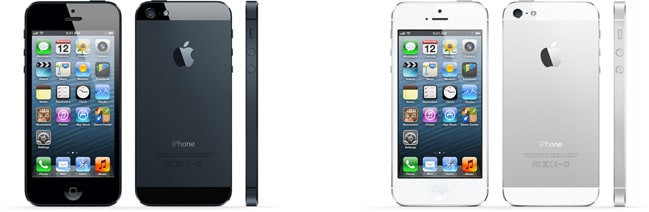
What “Obsolete” Means for Users
Apple labels products as “vintage” after five years of discontinuation and “obsolete” after seven years. The iPhone 5, launched in 2012 and discontinued in 2013, has now crossed that threshold.
Previously, vintage devices could still receive limited repairs if parts were available. However, once a device becomes obsolete, Apple stops all hardware service. Consequently, iPhone 5 users can no longer rely on official repair channels if issues arise.
A Device That Changed the iPhone Line
The iPhone 5 introduced several key upgrades that defined future Apple devices. Most notably, it debuted the Lightning port, replacing the long-used 30-pin connector.
In addition, Apple redesigned the phone with a slimmer aluminum-and-glass body and a taller 4-inch display. It also brought LTE connectivity to more users, improving mobile data speeds during a time of rapid network growth.
Because of these features, the iPhone 5 played a crucial role in shaping Apple’s design direction for years.
Why Apple Ends Support
Apple’s decision aligns with both technical and economic factors. Older devices like the iPhone 5 cannot run modern iOS versions. Therefore, maintaining repair infrastructure for such hardware becomes costly and less useful.
Moreover, the number of active users continues to decline. As a result, Apple focuses its resources on newer devices that meet current performance and software standards.
Looking Ahead
Although support has ended, the iPhone 5 remains an important part of Apple’s history. It introduced changes that influenced the iPhone lineup for over a decade.
Now, however, the device reaches its final stage, closing the chapter on one of Apple’s most impactful early innovations.