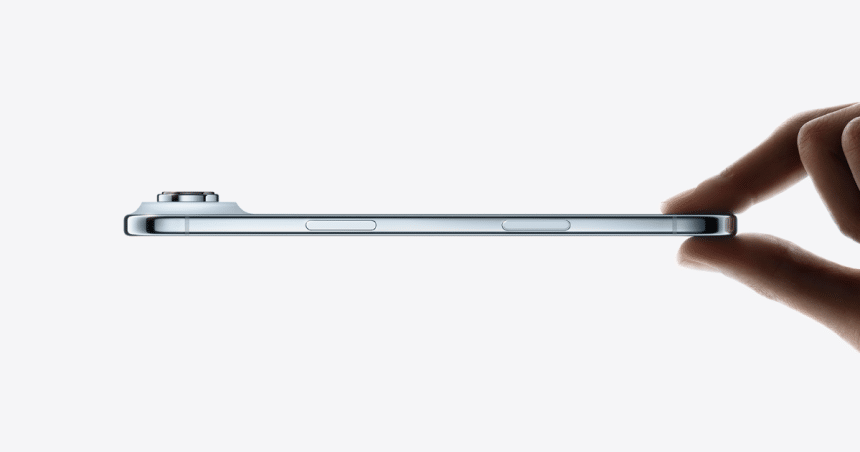
Apple’s iPhone Air is emerging as a strong success, despite early doubts. Recent data shows it has more than doubled the performance of its Plus-sized predecessor.
Initially, many questioned the device’s role in Apple’s lineup. However, real-world usage data now tells a different story. The iPhone Air has secured a larger share of active devices compared to earlier mid-tier models.
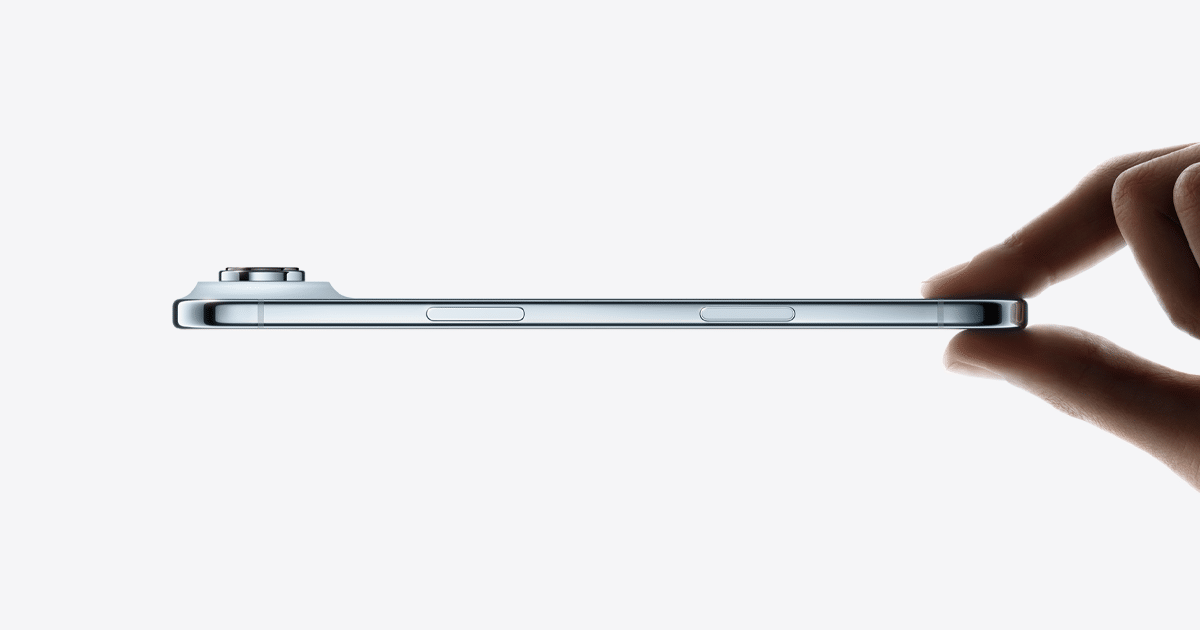
Data Shows Strong Market Impact
According to network data from late 2025, the iPhone Air holds around 6.8% of the iPhone 17 lineup. In comparison, the iPhone 16 Plus reached only 2.9% in its cycle.
Because the iPhone 17 lineup sold in higher volumes overall, this increase carries even more weight. Therefore, the iPhone Air’s presence in the market is significantly stronger than it first appears.
Moreover, the data reflects real usage rather than shipment numbers. This gives a clearer view of how customers actually use their devices.
A Clearer Identity for Mid-Tier iPhones
Apple has struggled to define its mid-tier offering in recent years. The Plus models mainly focused on screen size without a strong identity.
However, the iPhone Air changes that approach. It offers a distinct position between the base and Pro models. As a result, buyers now see it as a balanced choice.
Interestingly, the data shows that many users choose the iPhone Air instead of the standard Pro model. They accept fewer premium features in exchange for better value and clarity.
A More Balanced Product Line
The shift also affects Apple’s overall lineup. The base model has grown from 5.9% to 7.0% share, while premium models maintain strong demand.
The chart on page 3 highlights this trend clearly. It shows a stronger middle segment without weakening the high-end models.
As a result, Apple now offers a more balanced range. Customers can easily choose between entry, mid-tier, and premium options.
Regional Trends and Future Outlook
Regional data reveals strong adoption in markets like Japan and South Korea. These regions often value design and form factor, which favor the iPhone Air.
Meanwhile, the U.S. market shows a more even distribution across models. This reflects broader user preferences.
Overall, the iPhone Air signals a shift in Apple’s strategy. It strengthens the middle of the lineup while keeping premium demand stable. If this trend continues, Apple’s product structure may become even more refined in future releases.