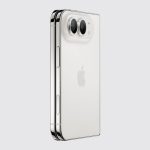
Apple continues to face criticism over how easy its devices are to repair. A new 2026 report highlights ongoing concerns, even as the company introduces improvements.
Although Apple has made progress, critics say it still falls behind competitors. As a result, repairability remains a key issue for consumers and regulators.

MacBook Neo Shows Progress
Apple recently launched the MacBook Neo, which reviewers praised for better repair access. In fact, experts called it the most repairable MacBook since 2012.
However, this improvement did not significantly change Apple’s overall ranking. While the device marks progress, it does not solve long-standing concerns.
Low Rankings in 2026 Report
The “Failing the Fix 2026” report by the U.S. PIRG Education Fund ranked major tech brands based on repairability. Apple scored poorly across both smartphones and laptops.
For smartphones, Apple received a D-, placing it at the bottom of the list. Meanwhile, brands like Motorola and Google ranked higher.
For laptops, Apple again placed near the bottom with a C-. In comparison, companies such as Asus and Acer earned much better grades.
Software Restrictions Remain a Concern
A major issue highlighted in the report involves software-based repair limits. Apple uses “parts pairing,” which links components to devices through software.
Although Apple has improved this system, restrictions still affect third-party repairs. For example, some parts may not function fully without official authorization.
Additionally, features like Face ID remain tightly controlled. Critics argue this limits independent repair options.
Device Lifespan and “Death Dates”
The report also raises concerns about software support timelines. Devices may lose updates after a set period, which reduces their lifespan.
Apple defines products as “vintage” after five years and “obsolete” after seven years. While support may continue in some cases, this system still affects long-term usability.
Growing Push for Right to Repair
The report relies on European regulatory data to assess repairability. It also calls for similar standards in the United States.
Advocates believe better repair access could save billions for consumers and reduce electronic waste.
Overall, Apple has taken steps forward, but critics say more change is needed. As pressure grows, repairability may become a key factor in future product design decisions.