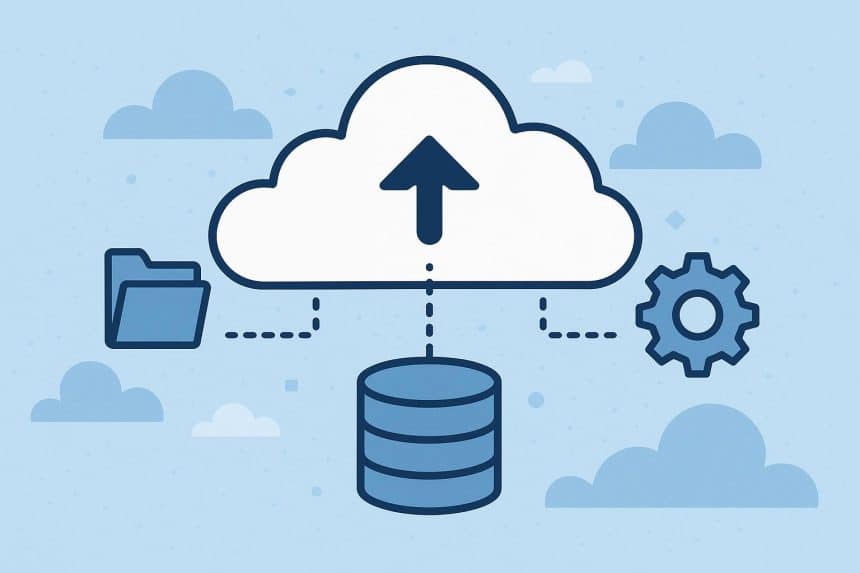
When people hear the term “cloud services,” most immediately think of file storage – uploading photos, syncing documents, or backing up a phone. These functions are still useful, but they cover only a small part of what modern cloud platforms offer. Cloud technology’s true strength is its ability to replace full software suites, automate tasks, and scale operations affordably. Cloud tools offer far more than simple online storage. This guide reveals overlooked cloud capabilities for smarter setups.
Cloud Services Beyond Storage: What Most Users Overlook
Real-Time Collaboration and Communication Tools
Cloud platforms have evolved into complete digital workspaces. Applications like shared document editors, virtual whiteboards, and project management dashboards all run directly in a browser without installing anything locally. Teams spread across different time zones can co-edit a spreadsheet simultaneously, leave comments on design files, or hold video meetings – all powered by the same infrastructure that stores their data. If you are still thinking of the cloud as a glorified hard drive, you are leaving significant value on the table. Pairing a professional web presence with these tools creates a cohesive digital identity. For instance, when you register a free domain name alongside an email plan, you gain both credibility and a branded communication channel that integrates smoothly with cloud-based productivity suites.
Development Environments and Testing Sandboxes
Software developers are increasingly turning to cloud-hosted environments, which allow them to write, test, and deploy code without the burden of managing complex local configurations on their own machines. Instead of spending valuable time configuring local machines with specific libraries, dependencies, or operating systems that may vary from one project to another, a developer can quickly spin up a virtual environment in just minutes, which greatly simplifies the entire setup process. This method removes the common “it works on my machine” issue entirely. Even non-technical users benefit from cloud-based testing, whether previewing a website redesign or running an A/B test on a marketing campaign. The flexibility that cloud-hosted environments provide is truly remarkable, and it extends far beyond the limited capabilities that traditional local storage solutions ever offered to developers and teams.
How Cloud Platforms Power Collaboration, Automation, and Scalability
Workflow Automation Without Writing Code
One of the most underappreciated aspects of modern cloud ecosystems is built-in automation. Services like automated email sequences, invoice generation, inventory alerts, and customer onboarding flows can all be configured through visual drag-and-drop editors. A small e-commerce shop, for example, can automatically send order confirmations, update stock levels, and notify the shipping provider – all without a single line of custom programming. As we reported in our coverage of how Apple explored building a workspace alternative to rival established productivity suites, even the largest technology companies recognize that integrated cloud-based workflows represent the next frontier of digital productivity. This trend has only accelerated throughout 2026.
Scalability is another area where cloud infrastructure truly shines. Both a small startup and a large corporation can share one platform and scale resources to match demand. Seasonal businesses no longer need to purchase expensive server capacity that sits idle for most of the year. Instead, they simply pay for the resources that they actually consume during peak periods, which allows them to avoid unnecessary expenses throughout the rest of the year.
Five Cloud-Based Features That Replace Expensive Standalone Software
Many organizations continue paying for separate software licenses even though cloud-based alternatives already provide the same functionality at reduced cost. Here are five categories that are worth a closer look:
1. Accounting and invoicing: Cloud bookkeeping tools manage expenses, taxes, and bank feeds automatically.
2. Customer relationship management (CRM): Cloud-hosted options combine contact management, sales tracking, and email marketing affordably.
3. Graphic design: Browser-based platforms now provide templates, brand kits, and collaboration rivaling desktop software.
4. Data analytics and reporting: Cloud dashboards visualize real-time data from multiple sources, replacing outdated spreadsheet reports.
5. Backup and disaster recovery: Automated cloud backup solutions protect files, databases, and entire system images without requiring physical hardware on-site. The topic of cloud-based data protection has drawn legal attention as well. Our earlier report on the dismissed lawsuit challenging Apple’s baseline iCloud storage offering highlighted how storage policies remain a point of debate between providers and their users.
By replacing even two or three of these standalone tools with their cloud-based equivalents, a small team can realistically save hundreds of dollars per year, while also considerably reducing the persistent headaches that come with ongoing software maintenance, updates, and compatibility issues.
Pairing Cloud Services with a Professional Domain for Maximum Impact
A strong online presence, which serves as the foundation upon which businesses build their reputation and credibility, depends on more than just having the right tools running quietly in the background, since visible, client-facing elements play an equally important role. Your domain name, branded email addresses, and website together shape how potential clients first perceive you. When your cloud productivity suite, customer-facing website, and communication channels all operate under one branded umbrella, the result is a polished, trustworthy image that reassures potential clients of your professionalism from the very first interaction. When you match your domain to your cloud email provider, you eliminate the amateurish appearance that free webmail addresses convey, which signals professionalism and credibility to potential clients before a single word of conversation even takes place.
Beyond branding, integration matters from a technical standpoint. A unified cloud ecosystem means single sign-on access, shared storage across applications, and consistent security policies. Administrative overhead drops because you manage one account rather than juggling credentials across a dozen disconnected platforms. For anyone exploring these connections further, a detailed overview of cloud-based service categories provides helpful background on how different service models – from IaaS to SaaS – fit together and which tasks each model handles best.
Key Criteria for Choosing the Right Cloud Provider in 2026
Given the wide range of choices, picking a provider that matches your particular needs calls for thoughtful consideration. Price is often the first factor people consider, yet it should not be the only one. Here are several important criteria that you should carefully weigh and consider before committing to any particular provider, as each one can significantly influence your overall experience and satisfaction:
Data residency and compliance requirements deserve careful and thorough attention, particularly if your business processes or stores sensitive customer information that may be subject to regional privacy regulations. Providers that offer data centers in your region can simplify regulatory obligations considerably. Uptime guarantees also vary significantly from one provider to another, which makes it important to carefully compare the specific commitments each vendor is willing to make. Choose providers that publish clear service-level agreements and offer status pages for independent performance monitoring.
Vendor lock-in, which can quietly trap organizations in ecosystems that are difficult and costly to leave, represents another practical concern that deserves careful attention before any commitment to a particular platform is made. Some platforms allow easy data export and migration, while others rely on proprietary formats that make switching difficult. By carefully evaluating the available export options before you commit to a particular platform and sign up for its services, you can spare yourself considerable frustration, unexpected complications, and costly migration headaches further down the road. Security features like two-factor authentication, encryption at rest, and role-based access controls should be included as standard, not premium add-ons. You should also evaluate the quality of customer support. When something goes wrong, a provider that offers round-the-clock technical assistance can make the crucial difference between experiencing a minor inconvenience and suffering through an entire day of lost productivity.
Building Your Cloud Strategy for Long-Term Success
Cloud technology has evolved far beyond basic file hosting, since it now supports a wide range of advanced functions that modern businesses and individuals depend on every day. It now serves as the foundation that underpins collaboration, automation, analytics, design, finance, and a wide range of additional functions across nearly every area of modern business operations. Selecting the right services, adding a branded domain and email, and reviewing performance keeps operations flexible and affordable. Begin by reviewing the standalone tools you currently pay for, find overlaps with cloud options, and merge where practical. Organizations that treat their cloud setup as a living system, continually adjusting and refining it, are the ones that stay ahead. Your next step is straightforward: carefully map out what you need from your cloud infrastructure, compare what the market offers today across the various categories of tools and services that are available, and then build a solid, adaptable foundation that grows with you as your organization evolves over time.