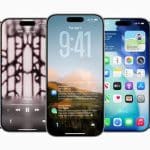
Apple increased its US smartphone sales in the first quarter of 2026, even as the broader market contracted. New data shows iPhone sales rose 1.3% year over year, while the total US smartphone market dropped 5.7% during the same period. Android smartphone sales fell even harder, declining 14.4%.
The contrast highlights Apple’s growing resilience in a slowing market. While many competitors struggled, Apple gained momentum through product timing, pricing strategy, and strong carrier partnerships.
iPhone 17 Demand Strengthens Apple’s Position
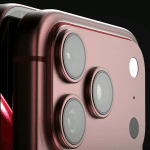
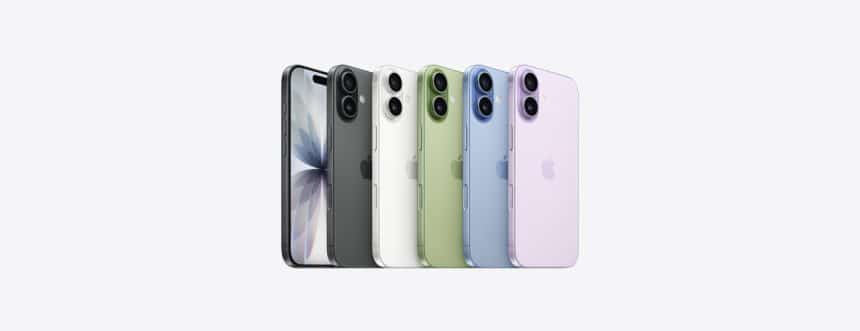
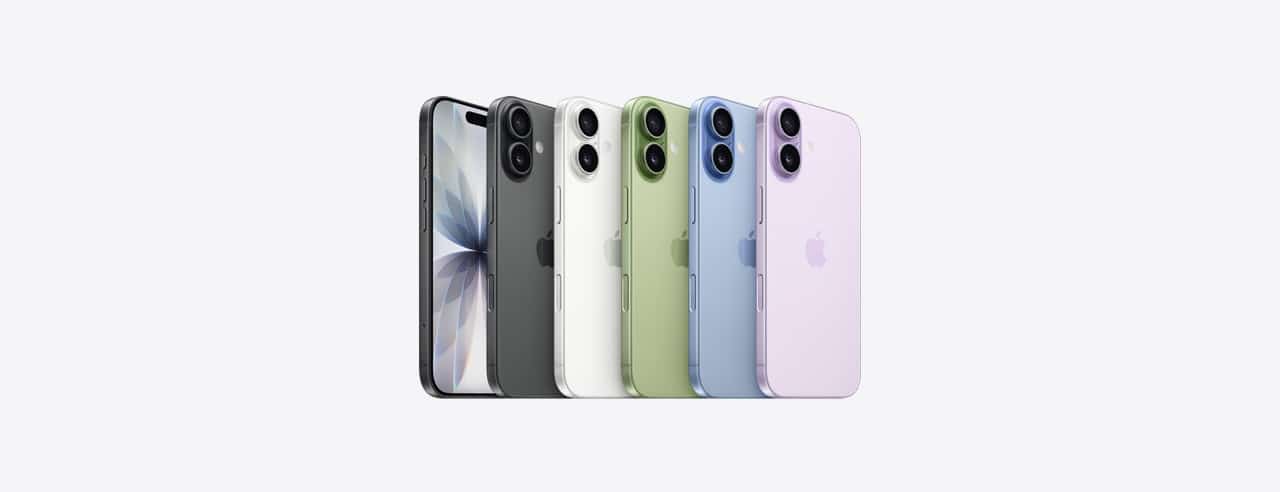
The iPhone 17 lineup played a major role in Apple’s gains. According to the report, the standard iPhone 17 performed better than expected during the quarter. Continued supply constraints from the previous holiday season also extended demand into early 2026.
Samsung’s delayed Galaxy S26 launch also gave Apple more room to attract premium buyers. Because flagship launches often drive upgrade cycles, the delay created a clear opportunity for Apple to capture undecided customers.
Apple strengthened its position across major US carriers, including AT&T, T-Mobile, and Verizon. Verizon showed the biggest shift, with Apple reaching a 77% share of smartphone sales during the quarter.
Pricing and Carrier Deals Shape Consumer Choices
Apple’s strategy went beyond hardware appeal. The company reportedly kept pricing relatively stable while increasing entry-level storage to 256GB. Meanwhile, rising component costs pushed rival smartphone brands toward higher prices.
Carrier promotions also played a critical role. Financing deals, trade-in offers, and ecosystem loyalty increasingly influenced consumer buying decisions. As a result, Apple maintained a stronger competitive position in the premium segment.
Pressure Builds for Smaller Android Brands
The slowdown hit lower-cost smartphone makers particularly hard. Sales weakness was strongest in devices priced below $100, where tighter margins and rising memory costs created significant pressure.
Brands such as TCL, Blu, Maxwest, Orbic, and HMD lost ground. Samsung and Motorola, however, gained share in prepaid retail channels.
A More Consolidated Smartphone Future
The US smartphone market appears to be consolidating. Apple continues strengthening its premium leadership, while Samsung and Motorola absorb more of the shrinking budget market.
For consumers, that could mean fewer low-cost choices. For Apple, however, the data signals something far more important: even in a declining market, demand for the iPhone remains remarkably strong.