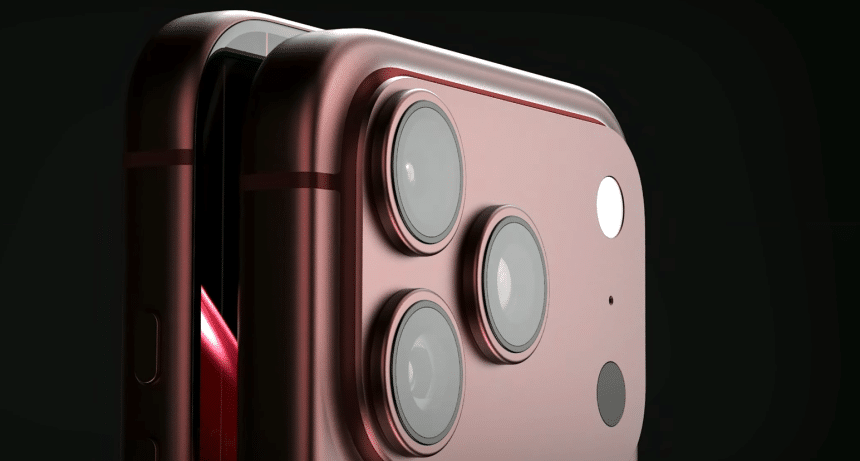
Apple fans hoping for a major iPhone display upgrade may need to wait longer. A new report suggests Apple will not bring dual-layer OLED technology, also known as Tandem OLED, to its iPhone lineup anytime soon.
The technology already powers Apple’s iPad Pro. It uses two OLED layers instead of one, allowing the screen to produce more brightness while using energy more efficiently. For users, this could mean clearer outdoor visibility and better sustained display performance.
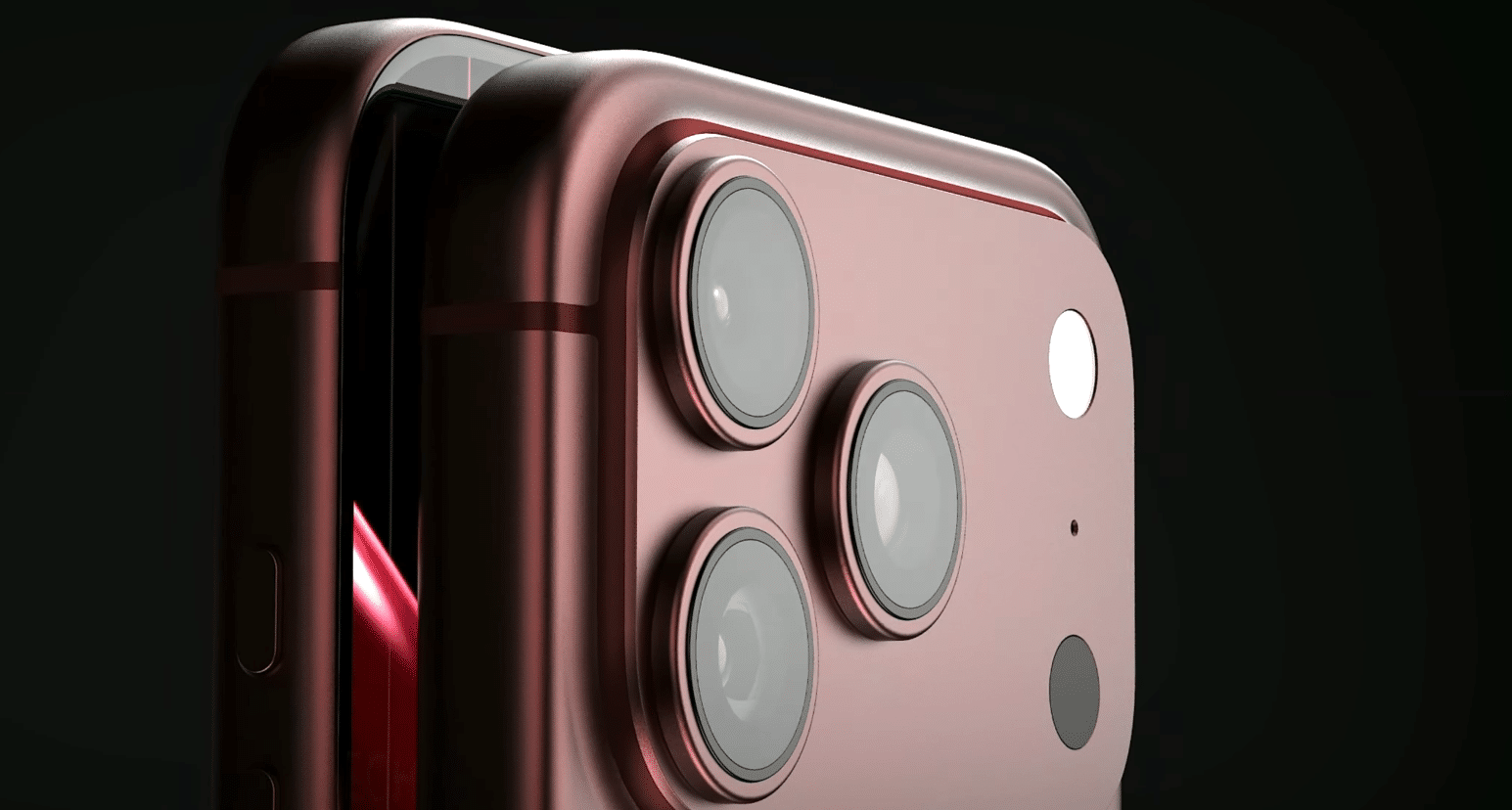
However, the latest claims suggest the iPhone 18 Pro will miss out on this improvement.
Why Apple Is Holding Back
The biggest challenge appears to be heat. Smartphone displays generate warmth during high brightness use, especially outdoors under direct sunlight. When internal temperatures rise too much, devices can reduce performance to protect hardware.
That creates a major problem for Apple. A brighter display sounds attractive, but only if the phone can manage the extra thermal load effectively.
Dual-layer OLED may eventually solve this issue because stacked OLED panels can produce stronger brightness with improved efficiency. Still, integrating that system into a compact smartphone remains far more difficult than fitting it inside a larger tablet.
Supply Chain Questions Add Pressure
Apple also faces supplier uncertainty. Reports indicate Samsung Display and LG Display remain leading candidates for future premium iPhone screens. Meanwhile, BOE reportedly trails in meeting Apple’s higher display standards for flagship models.
That uncertainty slows development further. Apple rarely launches major hardware upgrades without dependable large-scale manufacturing in place.
Industry watchers have previously suggested LG Display has been working on tandem OLED technology for future iPhones. Yet earlier estimates pointed toward a launch closer to 2028, not within the next product cycle.
What This Means for iPhone Buyers
For now, Apple users should not expect dramatic display changes in the immediate future. Instead, Apple may continue refining existing OLED panels with incremental improvements in brightness, efficiency, and thermal management.
Although dual-layer OLED remains promising, Apple appears focused on solving engineering and supply chain barriers before making the leap.
If the technology eventually arrives, it could become one of the most meaningful iPhone display upgrades in years. Until then, brighter iPhones remain more of a future ambition than an imminent reality.