Apple has acquired assets from Rabbit 3 Times, the company behind the visual Swift development tool called Play. The move comes less than a year after Play won an Apple Design Award for Innovation. The acquisition highlights Apple’s growing interest in improving tools for software developers.
Rather than buying the entire company outright, Apple reportedly acquired key assets and secured the option to hire some of the firm’s employees. Industry experts believe the deal could help Apple strengthen its software development ecosystem.
What Made Play Different?
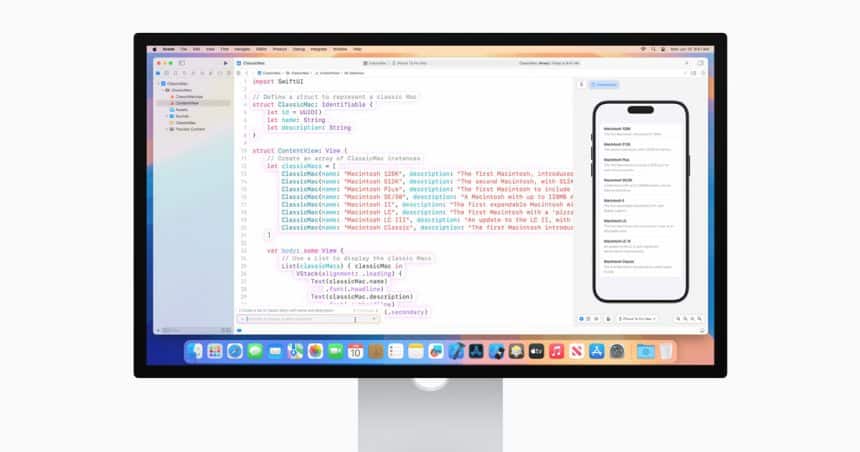
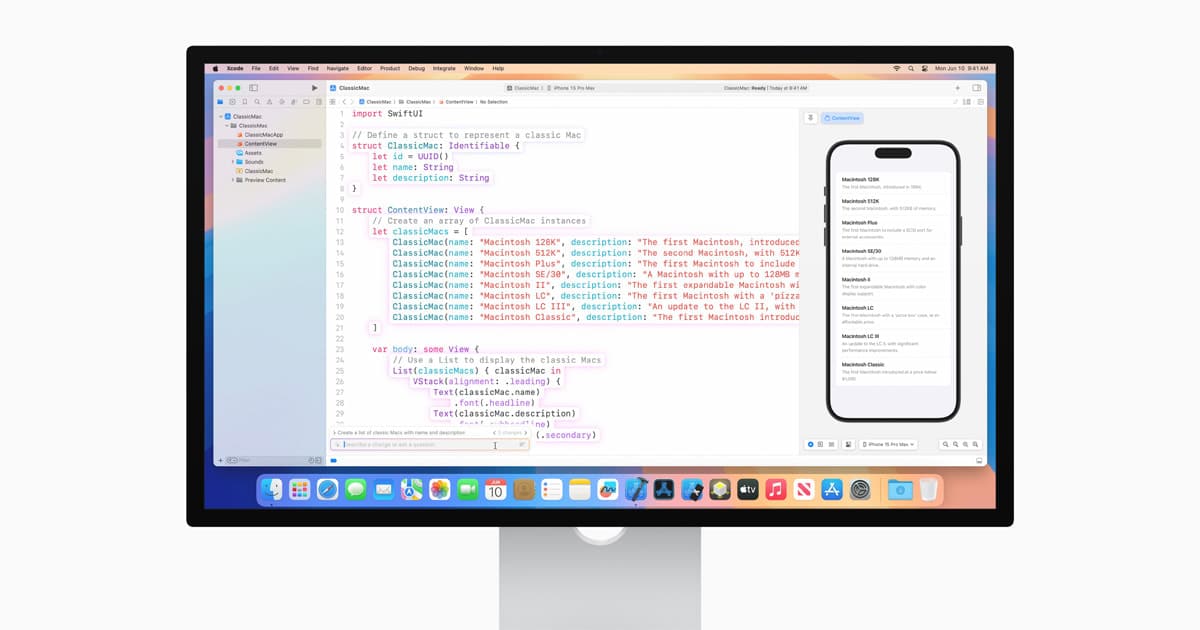
Founded in 2021, Rabbit 3 Times created Play: Create Better Apps, a tool that helped developers design and test applications visually. The software combined features from Apple’s Shortcuts app and the Xcode development platform.
Developers could quickly build prototypes and see how their apps would function in real time. They could also export projects into Xcode for further development. This approach made app creation faster and more accessible, especially for newcomers to Swift programming.
The app earned industry recognition in June 2025 when Apple awarded it for innovation and creativity.
Support for Play Comes to an End
Shortly after Apple reported the acquisition to European regulators in February 2026, Rabbit 3 Times announced that it would end support for its Play apps on April 20, 2026. The company also made its paid export service free to ease the transition for existing users.
The firm’s website later went offline, leaving only a message that said the team was “working on something new.”
What Happens Next?
Apple has not revealed how it plans to use the acquired technology. However, some analysts believe parts of Play could eventually appear in future Apple development tools or become integrated into projects such as Apple Creator Studio.
The acquisition also shows Apple’s continued commitment to the Swift programming language. By bringing innovative development technologies in-house, the company may create new ways for developers to design apps across iPhone, iPad, and Mac platforms.
For now, the future of Play remains uncertain. Yet Apple’s latest acquisition suggests that better and more powerful app creation tools could be on the horizon.