Apple is strengthening its U.S. supply chain with a major expansion of glass production in Kentucky. The project could add 200 permanent manufacturing jobs while increasing the state’s role in making key components for Apple products.
Apple has sourced iPhone glass from Kentucky for about 20 years. Now, the company plans to expand production at Corning’s facility in Harrodsburg. The goal is to manufacture glass there for every iPhone and Apple Watch.
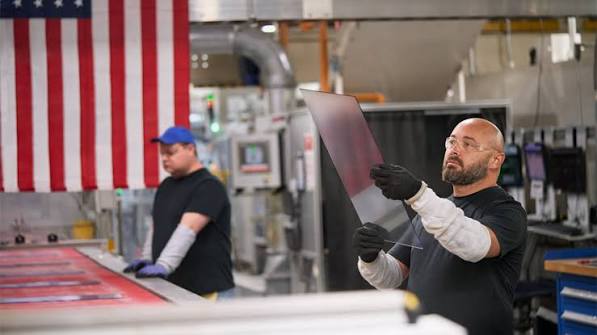
Corning Plant Prepares for Major Growth
Apple COO Sabih Khan and U.S. Commerce Secretary Howard Lutnick recently toured the Corning facility. Their visit came about a year after Apple announced an additional $2.5 billion investment in Kentucky. The expansion aims to triple the plant’s current output.
Currently, the plant employs around 350 people. However, Corning expects to add 200 hourly production positions. It also plans to create several salaried jobs focused on glass development.
Therefore, the investment could provide a significant long-term employment boost for the local community.
New Innovation Center Planned
Apple and Corning also plan to establish an Apple-Corning Innovation Center at the Kentucky site. Construction of the facility could create about 100 temporary jobs. However, those positions will not form part of the permanent workforce.
The planned center may resemble Apple’s Advanced Manufacturing Center in Houston, although the Kentucky facility will likely operate on a smaller scale.
Meanwhile, Apple says the investment reflects its wider effort to increase American manufacturing.
“At Apple, we share the administration’s commitment to producing more of the most innovative technology right here in the United States,” Khan said.
Kentucky Gains a Bigger Role in Apple’s Supply Chain
The expansion could make Harrodsburg increasingly important to Apple’s global manufacturing network. In addition, higher production would deepen the long-running partnership between Apple and Corning.
For Kentucky, the project brings both investment and skilled manufacturing opportunities. For Apple, it supports a broader strategy to expand its U.S. supply chain while securing domestic production of a critical iPhone and Apple Watch component.