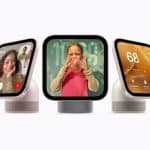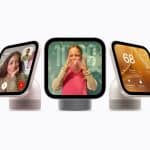
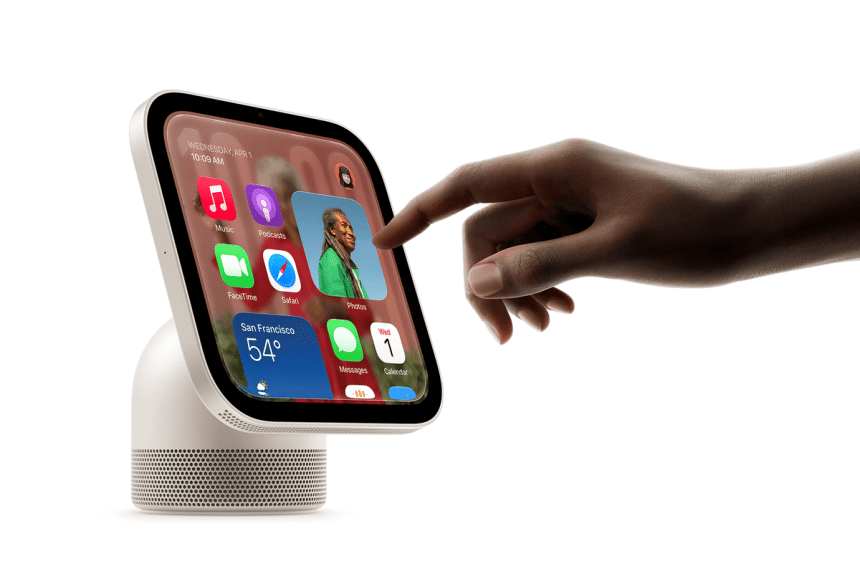
Apple’s new HomeView smart home display offers several installation choices, but one important limitation could affect buyers. The device lacks VESA mounting support, restricting compatibility with standard wall brackets.
Apple introduced HomeView on October 13, 2026, as part of its growing smart home ecosystem. Starting at $299, the device aims to simplify home automation and connected device management.
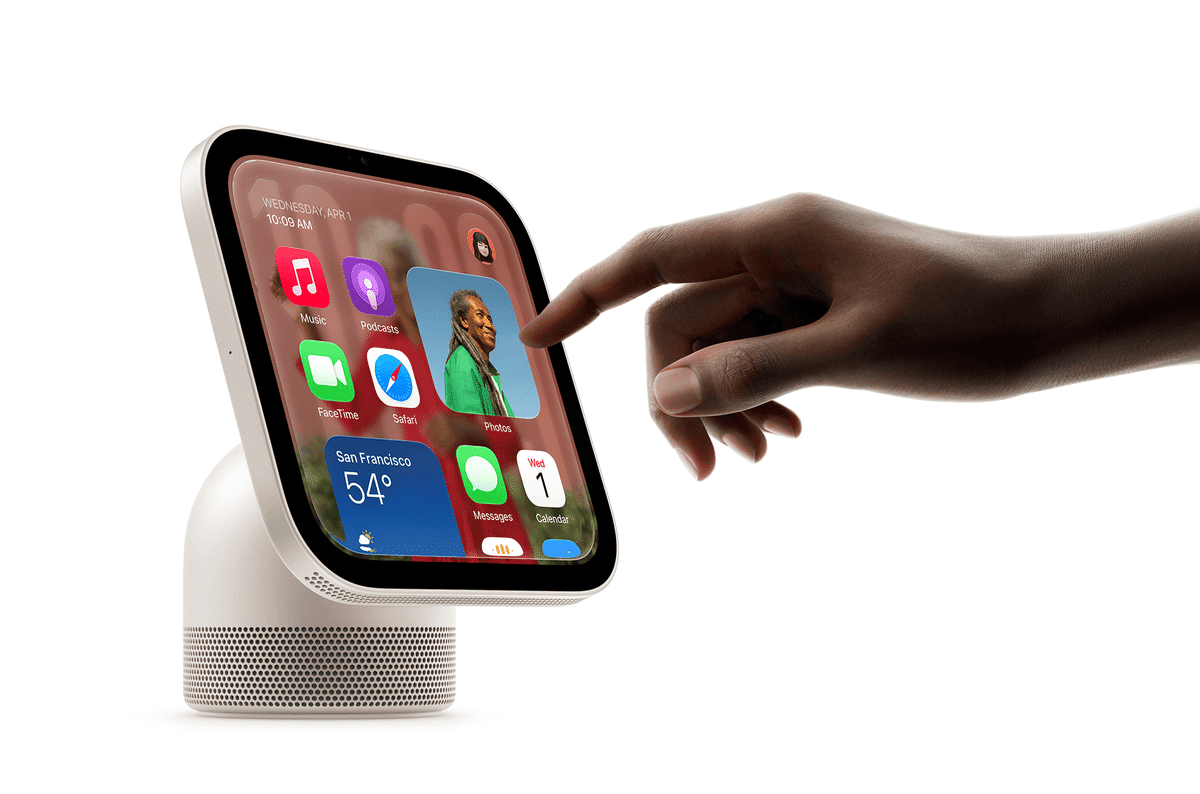
However, customers who want to mount HomeView on a wall may need Apple’s dedicated accessories.
Apple HomeView Offers Different Installation Options
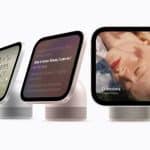
HomeView comes in two main configurations, allowing customers to choose how they want to use the device.
The standalone version includes a speaker stand, making it suitable for desks, kitchen counters, and other surfaces.
Meanwhile, customers can purchase the display without the stand for wall installation.
Interestingly, Apple does not require buyers to purchase a wall mount with the display.
However, the lack of standard mounting holes makes alternative installation methods more difficult.
As a result, Apple’s available mounting accessories may offer the simplest solution.
Apple HomeView Wall Mount Prices Explained
Apple offers two wall mounting options through its partnership with Schneider Home.
The first option is a $59.95 Power Mount that users can install themselves. It connects HomeView to a nearby electrical outlet.
Alternatively, customers can choose a $79.95 hardwired mount for a cleaner appearance without visible power cables.
Although Apple does not explicitly require professional installation, it recommends consulting a licensed electrician.
Additionally, Apple plans to introduce a Power over Ethernet mount for $129.95.
This future accessory will provide both power and a direct internet connection.
Missing VESA Support Restricts Compatibility
VESA mounting standards allow many displays to work with widely available brackets and mounting systems.
However, HomeView does not include the screw holes required for conventional VESA mounts.
Instead, its rear design appears to feature a USB-C connection and a small mounting attachment point.
Therefore, existing monitor brackets may not work without specially designed accessories.
Third-party manufacturers could eventually develop compatible mounts, giving customers more installation choices.
Nevertheless, Apple has not confirmed when such alternatives might become available.
What Buyers Should Consider
HomeView offers convenient installation options for different household settings.
However, customers planning wall installations should consider mounting costs before purchasing.
For now, Apple’s dedicated accessories provide the clearest installation path.
Ultimately, broader third-party support could make HomeView more flexible and affordable for homeowners.